Have you ever wondered how activities you enjoy could actually become powerful healing tools? If you're caring for someone with developmental disabilities, recovering from injury, or managing chronic conditions, you've likely heard about recreational therapy but might be asking yourself: what does recreational therapy do, exactly? TL;DR: Recreational therapy uses purposeful play and leisure activities to improve physical, cognitive, emotional, and social functioning in individuals facing health challenges. Through personalized interventions ranging from arts and sports to community outings, certified therapists help people regain independence, build confidence, and enhance their quality of life.
Understanding the Core Purpose of Recreational Therapy
What does recreational therapy do that makes it different from simply having fun? At its heart, recreational therapy is a systematic process where trained professionals use leisure activities as therapeutic interventions to address specific treatment goals.
Unlike casual recreation, every activity in recreational therapy serves a clinical purpose. When you work with a certified recreational therapist, they assess your needs, develop individualized treatment plans, and select activities specifically designed to improve targeted areas of functioning.
The Science Behind Play-Based Healing
Think about how good you feel after engaging in activities you love. That feeling isn't just psychological, there's actual neuroscience involved. Recreational therapy harnesses this power intentionally.
The objectives of recreational therapy programs focus on measurable outcomes:
- Enhancing physical abilities and preventing decline
- Developing and maintaining social skills
- Reducing stress and improving emotional regulation
- Building cognitive functioning and problem-solving
- Increasing independence in daily activities
Research consistently shows that engaging in meaningful leisure activities triggers dopamine release, reduces cortisol levels, and promotes neuroplasticity, the brain's ability to form new neural connections.
Who Benefits from Recreational Therapy?
You might be surprised by the range of conditions that respond positively to recreational therapy interventions. The approach adapts beautifully to diverse needs and populations.
Children and adults with developmental disabilities often experience profound benefits. At Hansel Union Consulting, PLLC, we've witnessed how recreational therapy complements behavioral therapy and other services to support holistic development.
| Population | Primary Goals | Common Activities |
|---|---|---|
| Developmental Disabilities | Social skills, community integration | Group games, adaptive sports |
| Neurological Conditions | Motor control, cognitive function | Art therapy, movement exercises |
| Mental Health Challenges | Emotional regulation, confidence | Music therapy, outdoor recreation |
| Aging Adults | Physical maintenance, social connection | Gardening, dance programs |
Veterans dealing with injuries or chronic conditions also find significant value, as recreational therapy promotes independent functioning and helps manage symptoms of PTSD and depression.
Therapeutic Methods and Activities
So what does recreational therapy do in actual practice? The methods are remarkably diverse, tailored to individual preferences and treatment goals.
Movement-Based Interventions
Physical activities form a cornerstone of many recreational therapy programs:
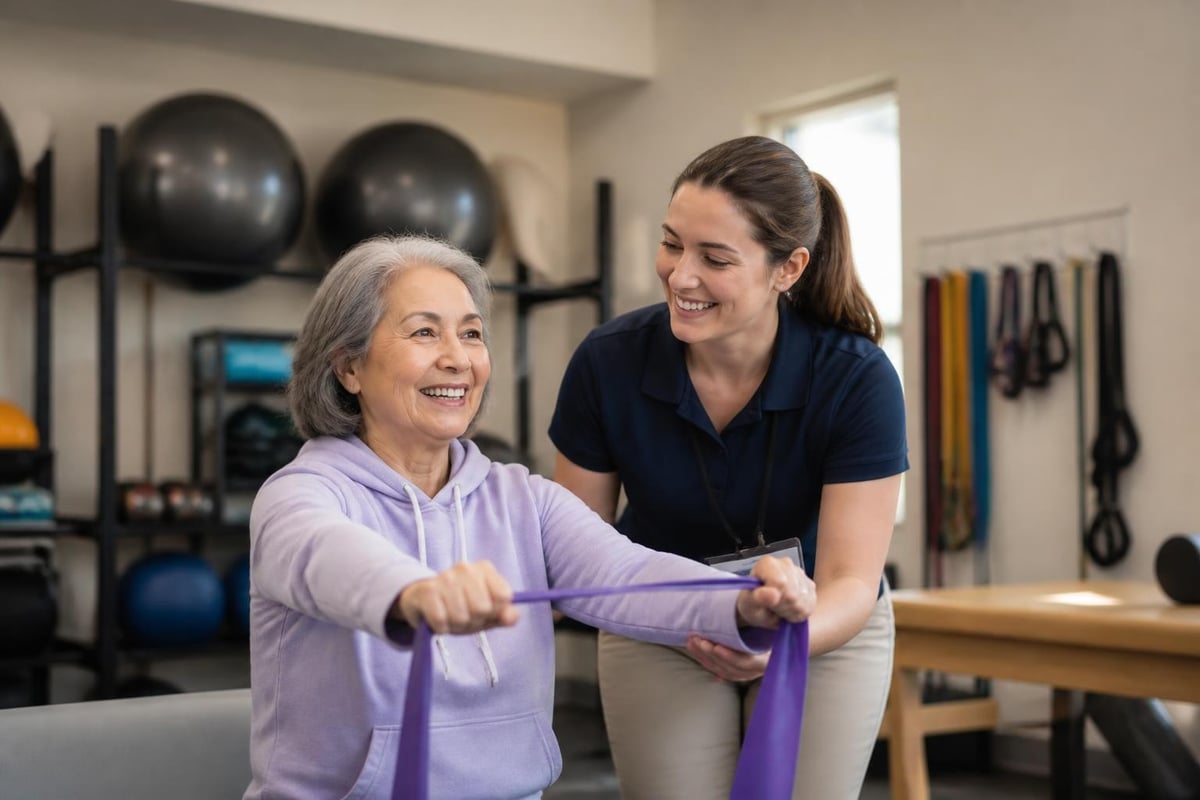
- Adaptive sports modify traditional games to accommodate varying abilities
- Aquatics therapy uses water's natural resistance and support
- Dance and movement combine physical exercise with creative expression
- Outdoor adventure builds confidence through hiking, camping, or challenge courses
Creative Arts Approaches
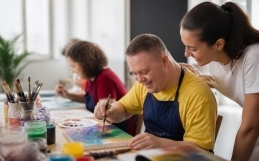
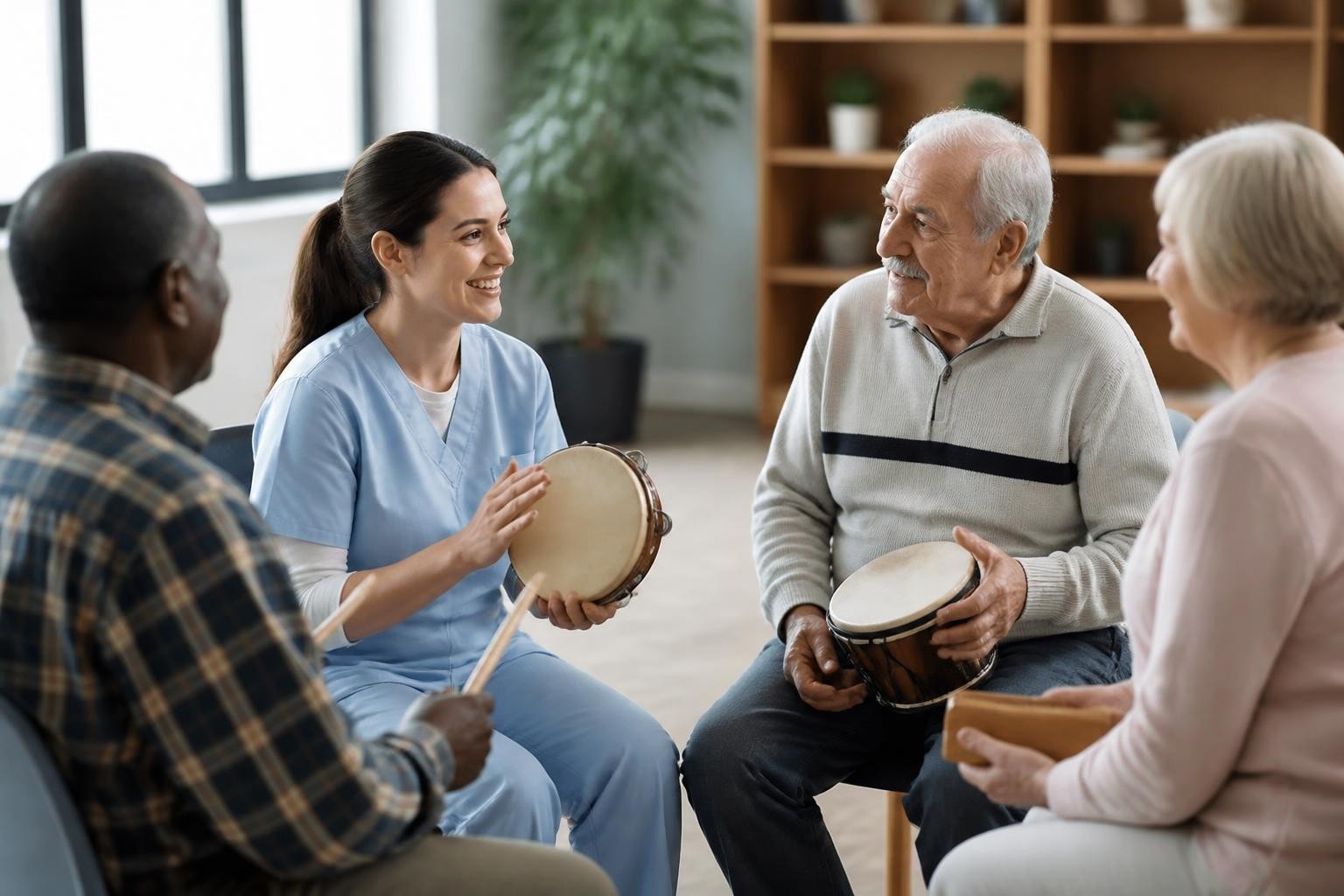
Ten types of recreational therapy include powerful creative modalities that access different parts of the brain. Art therapy allows non-verbal expression of emotions, while music therapy can improve speech patterns and memory recall.
These creative approaches work particularly well alongside occupational therapy to address fine motor skills and sensory processing.
Social and Community Integration
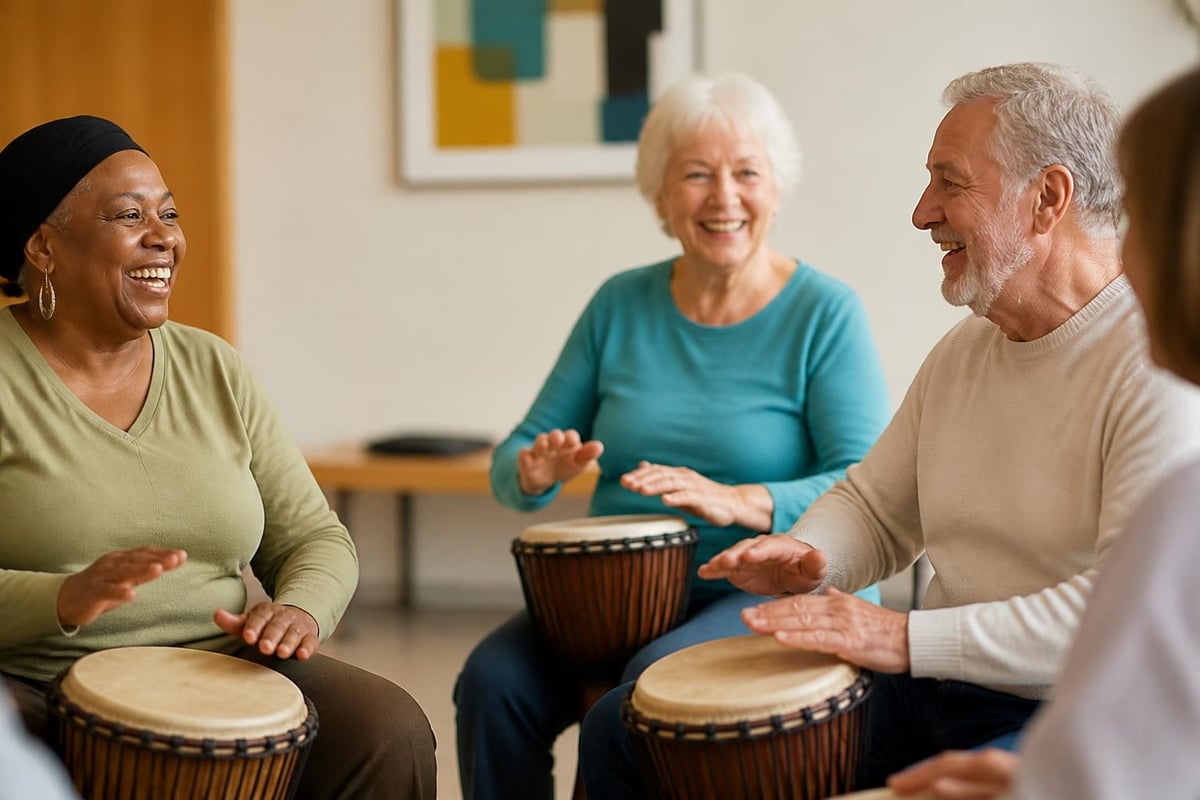
Group activities teach vital interpersonal skills in natural contexts. Board games develop turn-taking and patience. Community outings practice real-world navigation and social interactions. Volunteer projects build purpose and contribution.
The Treatment Process
When you begin recreational therapy, you're starting a structured therapeutic journey, not just signing up for activities.
Your therapist conducts comprehensive assessments examining your interests, abilities, barriers, and goals. They're looking at where you are now and where you want to be.
Treatment planning then matches activities to objectives. If improving balance is a goal, your therapist might incorporate hiking or dance. For social anxiety, they'll gradually introduce group activities in supportive environments.
Progress monitoring happens continuously. Your therapist tracks measurable outcomes, adjusts interventions, and documents improvements. This data-driven approach ensures you're actually moving toward your goals.
Real-World Benefits and Outcomes
What does recreational therapy do for long-term wellbeing? The benefits of therapeutic recreation extend far beyond the therapy session itself.
Physical Health Improvements
- Enhanced motor skills and coordination
- Increased strength and endurance
- Better cardiovascular health
- Improved pain management
Psychosocial Wellbeing
People often report decreased anxiety and depression symptoms. Confidence grows as they master new skills. Social connections formed during group activities often continue beyond formal therapy.
For individuals struggling with substance misuse, recreational therapy promotes holistic recovery by developing positive routines and healthy coping mechanisms.
Enhanced Life Satisfaction
Perhaps most importantly, recreational therapy helps people discover or rediscover activities that bring genuine joy and meaning. This intrinsic motivation sustains positive changes long after formal therapy ends.
Integration with Comprehensive Care
Recreational therapy rarely stands alone. Its power multiplies when integrated with other therapeutic services.
At therapeutic centers offering multiple modalities, recreational therapy often works alongside speech therapy to practice communication in natural social settings. It complements physical therapy by making exercise enjoyable and sustainable.
| Therapy Combination | Synergistic Benefit |
|---|---|
| Recreational + Speech | Practice communication during engaging activities |
| Recreational + Occupational | Apply fine motor skills in meaningful contexts |
| Recreational + Behavioral | Reinforce positive behaviors through preferred activities |
| Recreational + Physical | Maintain physical gains through enjoyable exercise |
This comprehensive approach addresses the whole person, recognizing that true wellness encompasses physical, emotional, social, and cognitive dimensions.
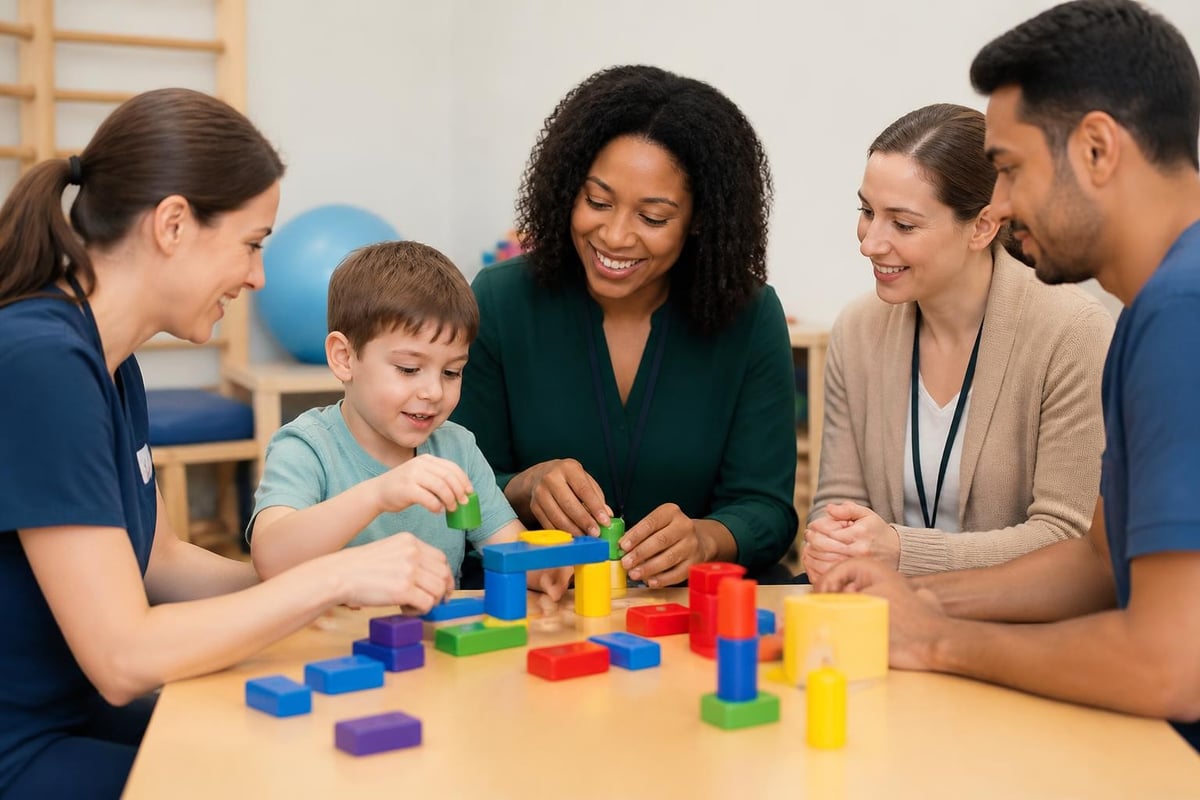
Finding Qualified Recreational Therapists
Not everyone leading recreation activities is a certified recreational therapist. The distinction matters for therapeutic outcomes.
Look for credentials like CTRS (Certified Therapeutic Recreation Specialist), which requires specific education, clinical training, and ongoing certification. Qualified therapists understand anatomy, psychology, assessment tools, and treatment planning.
When exploring comprehensive therapeutic services, ask about therapists' credentials, experience with your specific needs, and their approach to individualized treatment planning.
Recreational therapy harnesses the natural healing power of meaningful activities to improve functioning across physical, cognitive, emotional, and social domains. Whether you're supporting someone with developmental disabilities or seeking recovery from injury or illness, this evidence-based approach offers personalized pathways to greater independence and life satisfaction. Hansel Union Consulting, PLLC has been providing comprehensive therapeutic services, including recreational therapy, across Hampton Roads and Virginia since 2010, and we're here to help you or your loved ones reach their full potential through personalized, compassionate care.