
Have you ever wondered how something as simple as playing a game or painting could actually be a powerful therapeutic intervention? That's exactly what recreational therapy is all about. TL;DR: Recreational therapy uses leisure activities and play-based interventions to help people with disabilities, illnesses, or injuries restore functioning, develop skills, and improve their overall quality of life. It's evidence-based treatment delivered by certified professionals who understand how purposeful recreation can transform lives.
Understanding what is recreational therapy starts with recognizing that it's far more than just "fun and games." It's a systematic approach to healing that harnesses the power of meaningful activities to address physical, cognitive, emotional, and social needs. For families navigating developmental disabilities or neurological conditions in Hampton Roads and throughout Virginia, this therapy offers hope and tangible progress.
How Recreational Therapy Actually Works
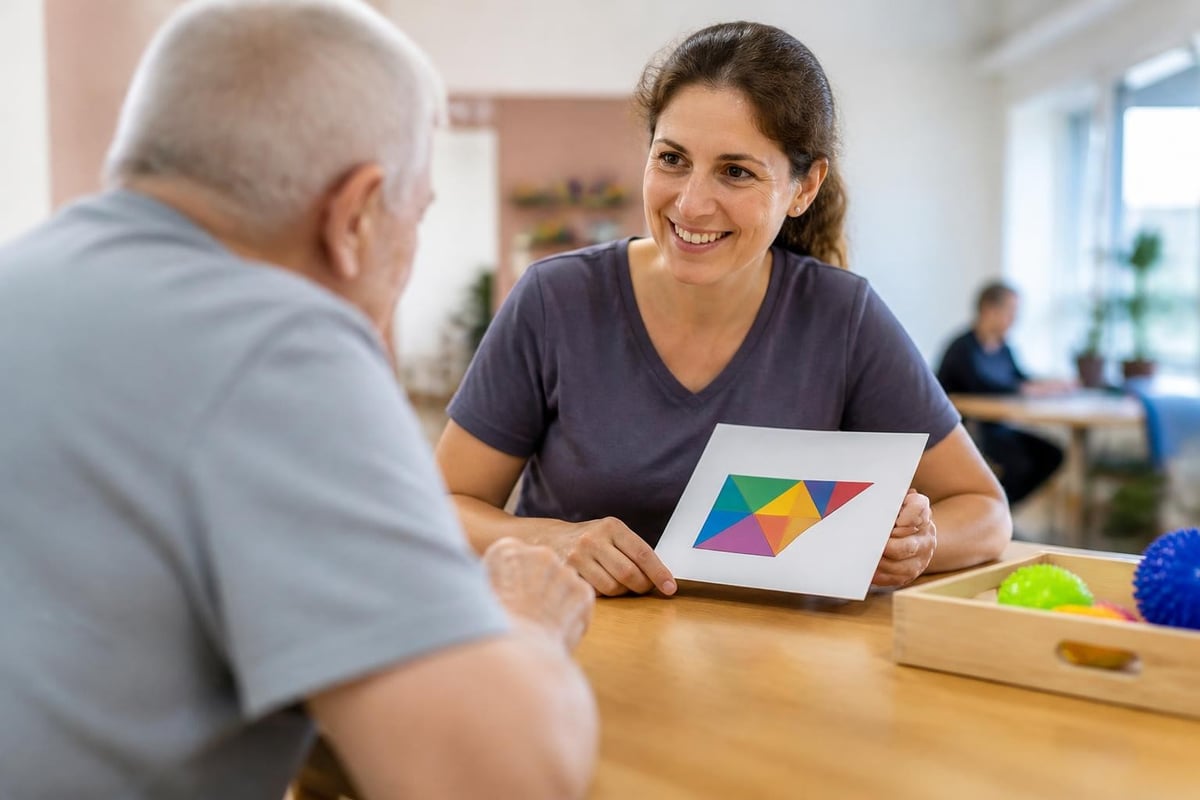
So what is recreational therapy in practical terms? It's a clinical intervention that uses recreation and activity-based strategies to improve functioning and independence. Recreational therapists are certified professionals who assess your needs, develop treatment plans, and implement interventions designed to help you reach specific goals.
The process typically involves several key steps:
- Initial assessment to understand your abilities, challenges, and interests
- Goal setting that aligns with your overall treatment objectives
- Activity selection based on therapeutic benefits and personal preferences
- Implementation of structured sessions with clear objectives
- Progress monitoring and plan adjustments as needed
Unlike simple leisure activities, every aspect of recreational therapy is intentional. When a therapist suggests you try adaptive sports, art therapy, or community outings, they're targeting specific outcomes like improved motor skills, enhanced social interaction, or increased confidence.
The Science Behind the Strategy
You might be asking yourself, "Does playing games really help with serious health conditions?" The answer is a resounding yes, and there's solid research backing it up. Recreational therapy offers measurable benefits for physical health, mental well-being, and social functioning.
The therapeutic power comes from engagement. When you're genuinely interested in an activity, you're more likely to participate fully, practice skills repeatedly, and stay motivated through challenges. That's why recreational therapists spend time understanding what activities resonate with you personally.
Who Benefits from Recreational Therapy?
What is recreational therapy best suited for? The answer might surprise you with its breadth. This intervention helps people across diverse populations and conditions:
Common beneficiaries include:
- Individuals with developmental disabilities
- People recovering from traumatic brain injuries
- Those managing mental health conditions
- Patients with neurological disorders
- Veterans adjusting to post-service life
- Seniors maintaining cognitive function
- Children with autism spectrum disorder
For example, a child with autism might work on social skills through structured group games, while an adult recovering from a stroke might rebuild fine motor control through adaptive arts and crafts. The American Therapeutic Recreation Association provides detailed information about the wide range of applications for this therapy.
| Condition Type | Example Activities | Targeted Outcomes |
|---|---|---|
| Developmental Disabilities | Social games, community integration | Communication, independence |
| Neurological Disorders | Adaptive sports, cognitive games | Motor skills, problem-solving |
| Mental Health | Art therapy, nature activities | Emotional regulation, stress reduction |
| Physical Rehabilitation | Therapeutic exercise, water activities | Strength, endurance, mobility |
Real-World Applications
Let's get specific about what is recreational therapy doing in actual treatment settings. Imagine a teenager with intellectual disabilities who struggles with social interaction. A recreational therapist might design a program incorporating team sports, cooperative board games, and community outings. Each activity teaches turn-taking, communication, emotional regulation, and friendship skills in contexts that feel natural and enjoyable.
Or consider an adult with a traumatic brain injury working to regain independence. Recreation therapy plays a crucial role in rehabilitation by using everyday leisure activities to practice memory, planning, and problem-solving skills needed for daily life.

The Unique Value Recreational Therapy Brings
You're probably wondering what makes recreational therapy different from other therapeutic approaches. While occupational therapy focuses on daily living tasks and physical therapy addresses movement and strength, recreational therapy specifically uses leisure and play as the therapeutic medium.
This distinction matters because recreation is inherently motivating. When therapy feels like something you want to do rather than something you have to do, participation improves dramatically. Children who might resist traditional therapy often engage enthusiastically in recreational interventions.
Key advantages include:
- Natural motivation through enjoyable activities
- Holistic approach addressing multiple needs simultaneously
- Community integration preparing for real-world participation
- Skill generalization practicing abilities in varied contexts
- Quality of life focus beyond just treating symptoms
Integration with Comprehensive Care
What is recreational therapy's role in a complete treatment program? It works best as part of an integrated approach. At Hansel Union Consulting, PLLC, recreational therapy complements other services like behavioral therapy, speech therapy, and occupational therapy to provide well-rounded support.
For instance, a child might work on language skills with a speech therapist during structured sessions, then practice those same communication abilities during recreational therapy group activities. This reinforcement across settings accelerates progress and helps skills stick.
Choosing the Right Recreational Therapy Provider
Now that you understand what is recreational therapy, how do you find quality services? Look for providers with certified recreational therapists (CTRS credential), experience with your specific needs, and a person-centered approach that respects individual preferences and goals.
Ask potential providers these important questions:
- What credentials and experience do your recreational therapists have?
- How do you customize programs for individual needs and interests?
- What outcomes can we realistically expect?
- How do you measure progress and adjust treatment plans?
- Do you coordinate with other therapists on my care team?
The holistic approach that recreational therapy offers means you should see improvements not just in targeted skills, but in overall engagement with life, confidence, and well-being.

Making Therapy Work in Daily Life
The ultimate goal isn't just progress during therapy sessions. What is recreational therapy accomplishing if skills don't transfer to everyday life? That's why quality programs emphasize community integration and real-world application.
Recreational therapists often incorporate community outings, volunteer opportunities, and social clubs into treatment. These experiences help you practice skills in the environments where you'll actually use them, building confidence and independence that extends far beyond the therapy room.
| Therapy Setting | Skills Practiced | Long-term Benefits |
|---|---|---|
| Clinical sessions | Foundation skills, assessment | Baseline abilities, progress tracking |
| Community outings | Real-world application | Independence, confidence |
| Group activities | Social interaction | Relationships, belonging |
| Home-based programs | Daily integration | Sustained improvement |
Moving Forward with Confidence
Understanding what is recreational therapy empowers you to make informed decisions about treatment options. Whether you're supporting a child with developmental disabilities, navigating recovery from injury, or seeking better quality of life for a loved one with neurological conditions, recreational therapy offers evidence-based interventions delivered through engaging, meaningful activities.
The combination of professional expertise, personalized programming, and the inherent motivation that comes from enjoyable activities creates a powerful catalyst for growth and healing. When therapy aligns with your interests and values, progress becomes not just possible but sustainable.
Recreational therapy harnesses the transformative power of purposeful play to restore functioning, build skills, and enhance quality of life for individuals facing diverse challenges. If you're in Hampton Roads or throughout Virginia and seeking comprehensive therapeutic support for developmental, intellectual, or neurological disabilities, Hansel Union Consulting, PLLC offers integrated services including recreational therapy alongside behavioral, speech, occupational, physical, and psychological therapies. Our experienced team has been delivering personalized, compassionate care since 2010, helping individuals reach their full potential through evidence-based interventions tailored to unique needs and goals.