
Have you ever considered how the activities you love-whether that's painting, dancing, or playing games-could actually be powerful healing tools? That's exactly what recreational therapy harnesses. TL;DR: The benefits of recreational therapy extend far beyond simple entertainment, encompassing physical improvements, emotional wellness, cognitive enhancement, and social connection for individuals with developmental, intellectual, and neurological disabilities. This therapeutic approach uses structured activities to help people regain skills, build confidence, and enhance their overall quality of life.
What Makes Recreational Therapy So Powerful?
Recreational therapy isn't just about having fun (though that's certainly part of it). It's a systematic, evidence-based approach that uses purposeful activities to address specific therapeutic goals. Think of it as meeting people where they already find joy and using that natural engagement to foster healing and growth.
The beauty of this approach lies in its versatility. Whether someone's working on physical coordination, social skills, or emotional regulation, recreational therapists can design activities that feel less like traditional therapy sessions and more like enjoyable experiences. This makes the therapeutic process more engaging and often more effective.

Physical Health Improvements That Go Beyond Exercise
When we talk about the benefits of recreational therapy from a physical standpoint, we're looking at measurable improvements in mobility, strength, and coordination. For individuals with cerebral palsy and similar conditions, activities like adaptive sports or movement-based games can significantly enhance motor function.
Key Physical Benefits Include:
- Enhanced coordination and balance through movement-based activities
- Increased muscle strength and endurance from repeated, enjoyable physical engagement
- Improved fine motor skills through craft projects and manipulative games
- Better cardiovascular health from active recreational pursuits
- Pain management through distraction and endorphin release
What sets recreational therapy apart from traditional physical therapy is the motivational component. When someone's engaged in an activity they genuinely enjoy, they're more likely to push themselves further and practice more consistently.
Emotional and Psychological Wellness
The emotional benefits of recreational therapy can be truly transformative. Many individuals dealing with developmental disabilities or chronic conditions also struggle with depression, anxiety, or low self-esteem. Recreational activities provide a natural avenue for emotional expression and stress relief.
Consider someone who's been working through behavioral therapy for emotional regulation. Adding recreational therapy to their treatment plan gives them opportunities to practice those skills in low-pressure, enjoyable settings. That's powerful learning that sticks.
| Emotional Benefit | How It Works | Real-World Impact |
|---|---|---|
| Reduced Depression | Endorphin release, social connection | Improved mood, better daily functioning |
| Increased Self-Esteem | Skill mastery, achievement recognition | Greater confidence, willingness to try new things |
| Stress Management | Healthy outlets, relaxation techniques | Lower anxiety, better coping strategies |
| Emotional Expression | Creative activities, safe environments | Healthier processing of feelings |
Cognitive Enhancement Through Engaging Activities
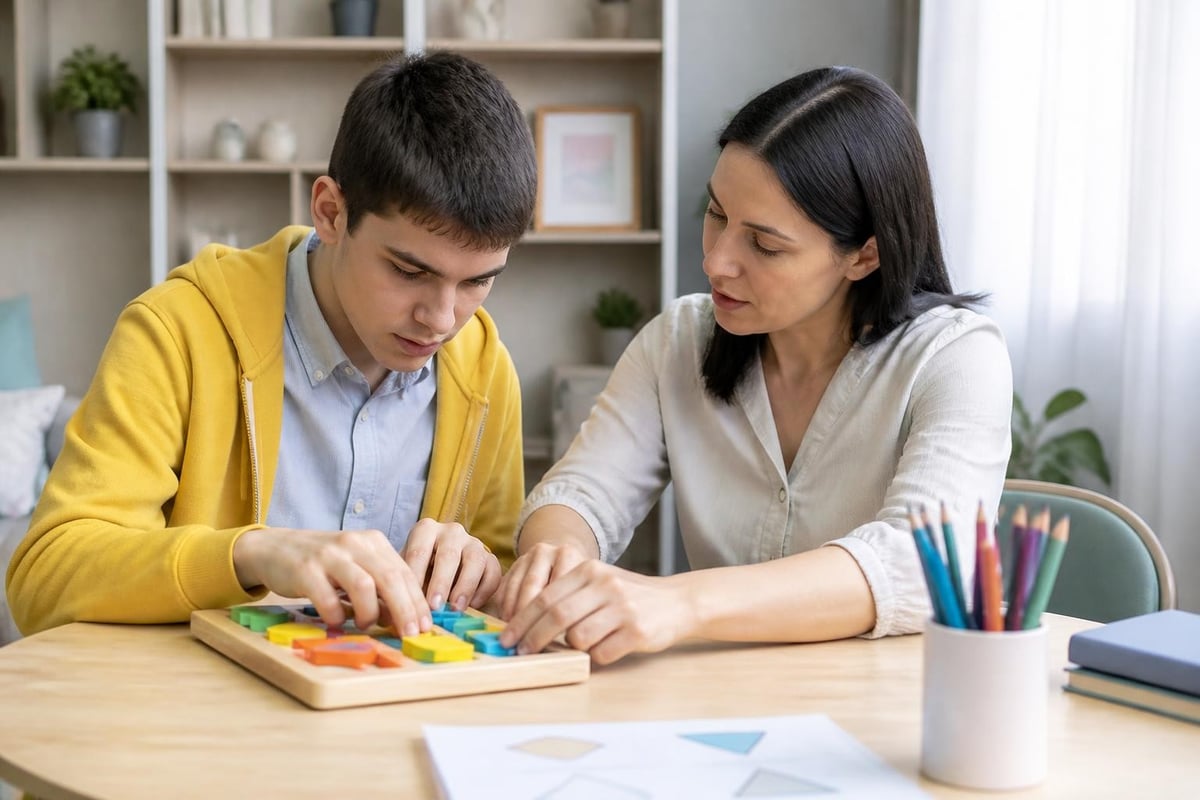
You might be surprised by how much recreational therapy can boost cognitive function. The benefits of recreational therapy extend to memory, problem-solving, attention span, and executive functioning. Games, puzzles, and strategic activities challenge the brain in ways that feel fun rather than frustrating.
For individuals with neurological disabilities, this cognitive stimulation is crucial. Veterans with traumatic brain injuries, for example, often see significant cognitive improvements through carefully designed recreational programs.
Cognitive Skills Enhanced:
- Memory retention through games and repetitive activities
- Problem-solving abilities via strategy games and challenges
- Attention and focus through engaging, structured activities
- Planning and organization from multi-step projects
- Spatial awareness through physical and creative pursuits
Social Connection and Community Integration
One of the most profound benefits of recreational therapy is its ability to foster meaningful social connections. Many people with disabilities face isolation, but group recreational activities create natural opportunities for interaction and friendship.
Our recreational therapy programs emphasize social skill development through team activities, group projects, and community outings. These aren't forced social situations-they're organic interactions that happen while people are focused on shared enjoyment.
The social benefits ripple outward too. As individuals gain confidence in recreational settings, they're more likely to participate in community activities outside therapy sessions. That's true integration.
Building Independence and Life Skills
Recreational therapy doesn't just address immediate therapeutic needs-it builds long-term independence. Through carefully selected activities, individuals learn skills that translate directly to daily living. Cooking classes become nutrition and meal preparation skills. Gardening projects teach planning and follow-through. Art activities develop fine motor control useful for self-care tasks.
This connection to occupational therapy makes recreational therapy particularly valuable. Both approaches focus on helping people engage more fully in meaningful activities, whether that's work, self-care, or leisure.
Personalized Approaches for Maximum Impact
The benefits of recreational therapy are maximized when programs are tailored to individual interests, abilities, and goals. A certified recreational therapist conducts thorough assessments to understand what motivates each person and what challenges they're facing.
| Assessment Area | Purpose | Outcome |
|---|---|---|
| Interests & Preferences | Identify engaging activities | Higher participation, better results |
| Current Abilities | Establish baseline function | Appropriate challenge level |
| Therapeutic Goals | Align activities with needs | Targeted skill development |
| Barriers & Challenges | Identify obstacles | Adaptive strategies, accommodations |
This individualized approach ensures that someone who loves music might work on coordination through drumming, while someone passionate about nature might develop similar skills through hiking or gardening. The activity itself matters less than the engagement it creates and the goals it helps achieve.
Integration with Comprehensive Therapeutic Services
The benefits of recreational therapy compound when combined with other therapeutic approaches. At Hansel Union Consulting, PLLC, we understand that effective treatment addresses the whole person. Someone might receive speech therapy to improve communication while participating in group recreational activities that provide real-world practice opportunities.
Similarly, individuals working through psychological therapy can apply coping strategies and emotional regulation techniques during recreational sessions. This integrated approach creates more natural learning environments and better long-term outcomes.

Long-Term Quality of Life Enhancements
Perhaps the most important consideration is how the benefits of recreational therapy extend throughout someone's lifetime. Skills learned and confidence gained through recreational therapy don't disappear when sessions end. They become part of someone's toolkit for navigating life's challenges.
People who participate in recreational therapy often report:
- Greater overall life satisfaction
- More robust social networks
- Increased participation in community activities
- Better physical health maintenance
- Enhanced emotional resilience
- Stronger sense of identity and purpose
These outcomes matter because they directly impact quality of life. The systematic approach used in recreational therapy creates lasting change, not just temporary improvements.
The benefits of recreational therapy touch every aspect of life-physical health, emotional wellness, cognitive function, social connection, and independence. When therapeutic activities align with personal interests and meaningful goals, remarkable transformations become possible. Hansel Union Consulting, PLLC has been providing comprehensive therapeutic services, including recreational therapy, since 2010, supporting individuals with developmental, intellectual, and neurological disabilities throughout Hampton Roads and Virginia. Ready to explore how recreational therapy could enhance your or your loved one's quality of life? Reach out to our experienced team today.