
Finding quality speech therapy chesapeake services can feel overwhelming, especially when you're trying to help someone you care about overcome communication challenges. Whether you're a parent noticing your child's speech development lagging behind their peers, or you're seeking support for an adult family member recovering from a stroke, understanding what speech therapy offers and how to access it in the Chesapeake area is your first step toward meaningful progress. Let's walk through everything you need to know about speech therapy options, what to expect, and how to make the best choice for your unique situation.
Understanding Speech Therapy and Who Benefits
Speech therapy addresses far more than just pronunciation problems. Have you ever wondered why some people struggle to find the right words, while others can't coordinate the movements needed to speak clearly?
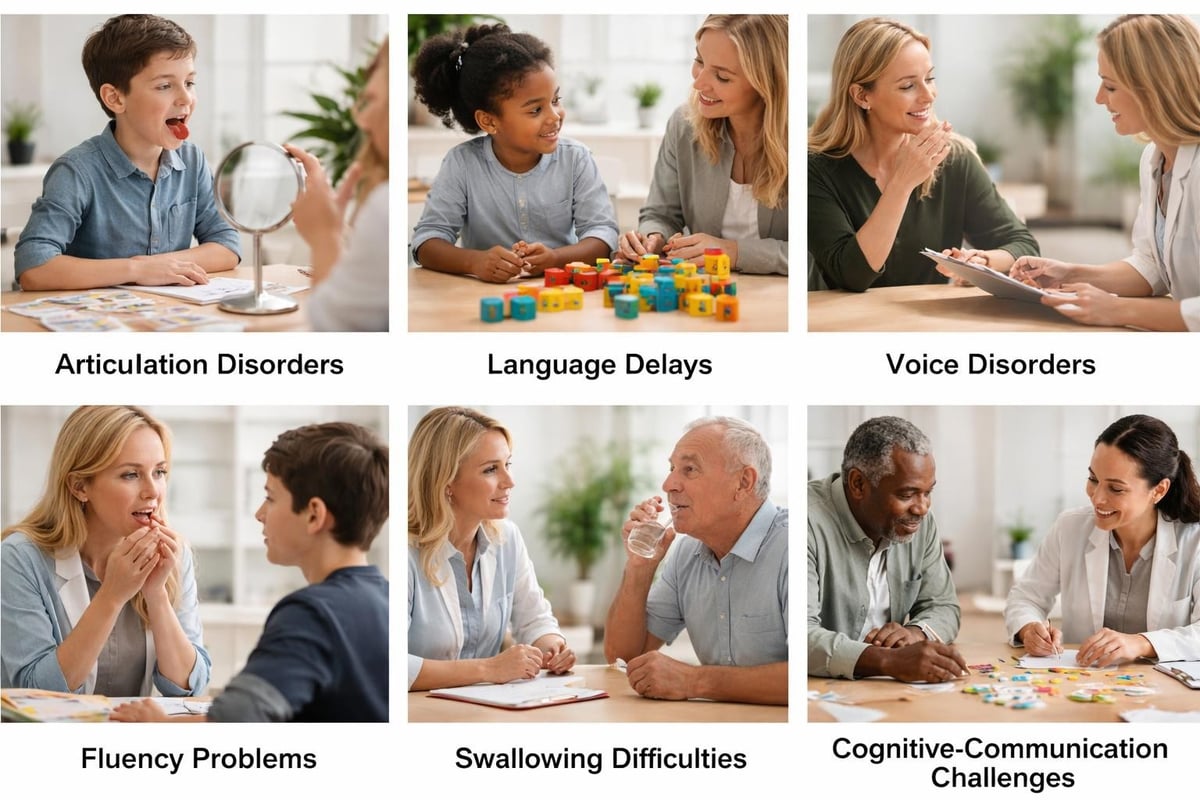
Speech-language pathologists (SLPs) treat a wide range of conditions:
- Articulation disorders affecting how sounds are produced
- Language delays impacting vocabulary and grammar understanding
- Fluency issues including stuttering and cluttering
- Voice disorders causing hoarseness or abnormal pitch
- Swallowing difficulties (dysphagia)
- Cognitive-communication disorders following brain injury
The American Speech-Language-Hearing Association provides comprehensive information on these various disorders and their treatment approaches. Children with developmental disabilities, adults with neurological conditions, and individuals recovering from medical events all benefit from targeted speech therapy interventions.
What Makes Quality Speech Therapy Effective
Not all speech therapy chesapeake providers approach treatment the same way. The most effective programs share several key characteristics that drive real results.
Personalized assessment comes first. Your therapist should conduct comprehensive evaluations that examine not just what's challenging, but why. This includes looking at oral-motor function, language comprehension, social communication skills, and how difficulties impact daily life.
Evidence-based treatment methods include:
- Articulation therapy using repetitive practice and positioning techniques
- Language intervention building vocabulary and sentence structure
- Oral-motor exercises strengthening muscles used for speech
- Augmentative communication when verbal speech remains limited
- Parent/caregiver training extending therapy benefits beyond sessions
The National Institute on Deafness and Other Communication Disorders offers detailed research on effective intervention approaches that clinicians should incorporate into treatment plans.
Recognizing When You Need Speech Therapy Services
Timing matters tremendously in speech therapy outcomes. But how do you know when professional help is necessary versus typical variation in development?
For children, typical speech and language development milestones provide helpful benchmarks. By age two, most children use two-word phrases. By three, strangers understand about 75% of what they say. By four, they speak in complete sentences most of the time.
Red Flags That Warrant Evaluation
Watch for these warning signs across different age groups:
| Age Group | Concerning Signs | Action Timeline |
|---|---|---|
| 12-24 months | No babbling or gestures by 12 months; fewer than 10 words by 18 months | Evaluate within 2 months |
| 2-3 years | Difficult to understand; not combining words; limited interest in communication | Evaluate within 1 month |
| 4-5 years | Frequent stuttering; pronunciation problems; difficulty following directions | Evaluate within 3-4 weeks |
| Adults | Sudden speech changes; word-finding difficulties; slurred speech | Evaluate immediately |
Don't wait and see if things improve on their own. Early intervention dramatically improves outcomes, especially for young children whose brains are still developing neural pathways for language.

Finding the Right Speech Therapy Chesapeake Provider
You've recognized the need, so now what? Chesapeake families have multiple options for accessing speech therapy services, and choosing wisely affects both progress and peace of mind.
Consider these factors when selecting a provider:
- Licensure and certification status (all SLPs should hold state licenses)
- Experience with your specific disorder or age group
- Treatment philosophy and approach to family involvement
- Location, scheduling flexibility, and session frequency options
- Insurance acceptance and payment arrangements
Some families prefer clinic-based therapy for its structured environment and specialized equipment. Others benefit from home-based services that address communication in natural settings where it matters most.
Specialized Populations and Expertise
Speech therapy chesapeake services should match the unique needs of each individual. Providers working with developmental disabilities require different expertise than those specializing in adult neurological conditions.
For children with autism, apraxia, or Down syndrome, look for therapists with specialized training. Childhood apraxia of speech, for example, requires intensive, repetitive practice using specific motor-planning techniques that differ from standard articulation therapy.
Adults recovering from stroke may experience aphasia, which affects language comprehension and expression. Treatment approaches here focus on rebuilding language networks and developing compensatory strategies.
What to Expect During Speech Therapy Sessions
Your first session will involve extensive assessment. The therapist observes how you or your child communicates, tests specific skills, and gathers background information about medical history and current challenges.
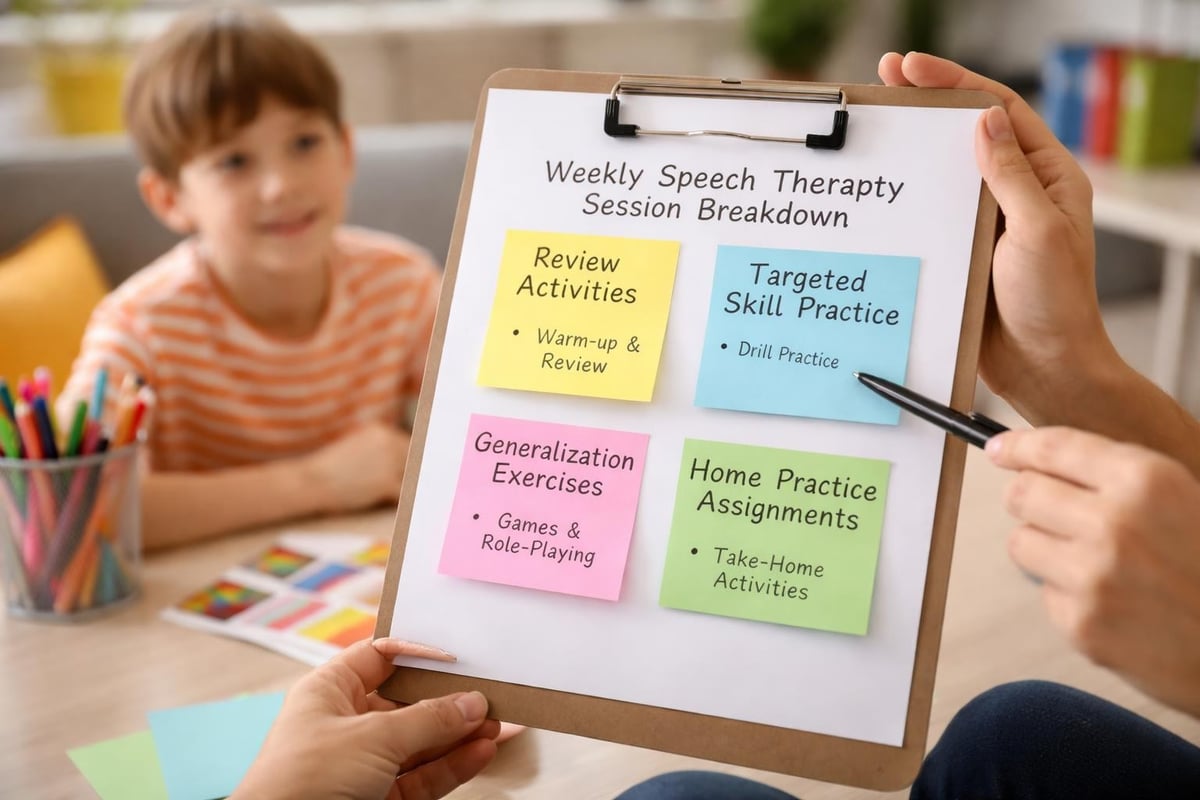
Treatment sessions typically last 30-60 minutes and follow a structured format:
- Warm-up activities reviewing previous skills
- Targeted practice on current goals using games, exercises, or conversation
- Generalization activities applying skills in natural contexts
- Home practice assignment extending learning between sessions
| Session Component | Time Allocation | Purpose |
|---|---|---|
| Review and warm-up | 5-10 minutes | Reinforce previous learning |
| Direct instruction | 20-30 minutes | Teach new skills and strategies |
| Practice activities | 15-20 minutes | Build automaticity and confidence |
| Parent coaching | 5-10 minutes | Ensure carryover at home |
Progress doesn't happen overnight. Most individuals need 3-6 months of consistent therapy to see significant improvements, though some conditions require longer-term support.
Supporting Progress Between Sessions
Here's something many families don't realize: what happens between therapy sessions matters as much as the sessions themselves. Your therapist provides professional expertise, but daily practice at home accelerates progress dramatically.
Create a supportive home environment by:
- Practicing assigned exercises consistently (even just 10 minutes daily helps)
- Reading together regularly to build language exposure
- Narrating daily activities to model proper speech patterns
- Celebrating small victories to maintain motivation
- Avoiding correction overload that causes frustration
For children with voice disorders, reducing vocal strain throughout the day protects progress made in therapy. This might mean teaching quieter indoor voices or providing visual cues for volume control.
Adults working on fluency need patient listeners who don't finish sentences or rush communication. These environmental modifications support therapeutic techniques learned in sessions.
Insurance and Payment Considerations
Speech therapy chesapeake costs vary based on provider credentials, session length, and whether services occur in-clinic or at home. Most insurance plans cover medically necessary speech therapy, but understanding your specific benefits prevents surprise bills.
Questions to ask your insurance provider:
- How many sessions does my plan cover annually?
- Do I need a physician referral for coverage?
- What's my copay or coinsurance percentage?
- Are there in-network providers I should use?
- Does coverage continue if progress is slow but ongoing?
Medicare covers speech therapy for beneficiaries when prescribed by a physician and provided by certified therapists. Medicaid programs in Virginia also include speech therapy benefits for eligible individuals, particularly children with developmental disabilities.
Some providers offer sliding-scale fees or payment plans for families without adequate insurance coverage. Don't let cost prevent you from seeking evaluation, as many communities have resources to help.
Quality speech therapy makes a profound difference in how individuals communicate, learn, and connect with others throughout their lives. Whether you're addressing childhood speech delays, adult language disorders, or swallowing difficulties, professional support combined with consistent practice creates meaningful change. Hansel Union Consulting, PLLC has served the Hampton Roads and Virginia communities since 2010, offering comprehensive speech therapy alongside behavioral, occupational, physical, and psychological services tailored to individuals with developmental, intellectual, and neurological disabilities. Reach out today to learn how personalized therapeutic support can help you or your loved one reach their full communication potential.