When you're searching for occupational therapy services, you've probably noticed the letters "OTR" after some therapists' names. What does this credential actually mean, and why should it matter to you or your loved ones? OTR occupational therapy represents the gold standard in the field, signaling that your therapist has met rigorous national certification requirements and is registered to practice. Understanding this distinction helps you make informed decisions about therapeutic care, especially when working with individuals who have developmental, intellectual, or neurological disabilities.
What Does OTR Actually Stand For?
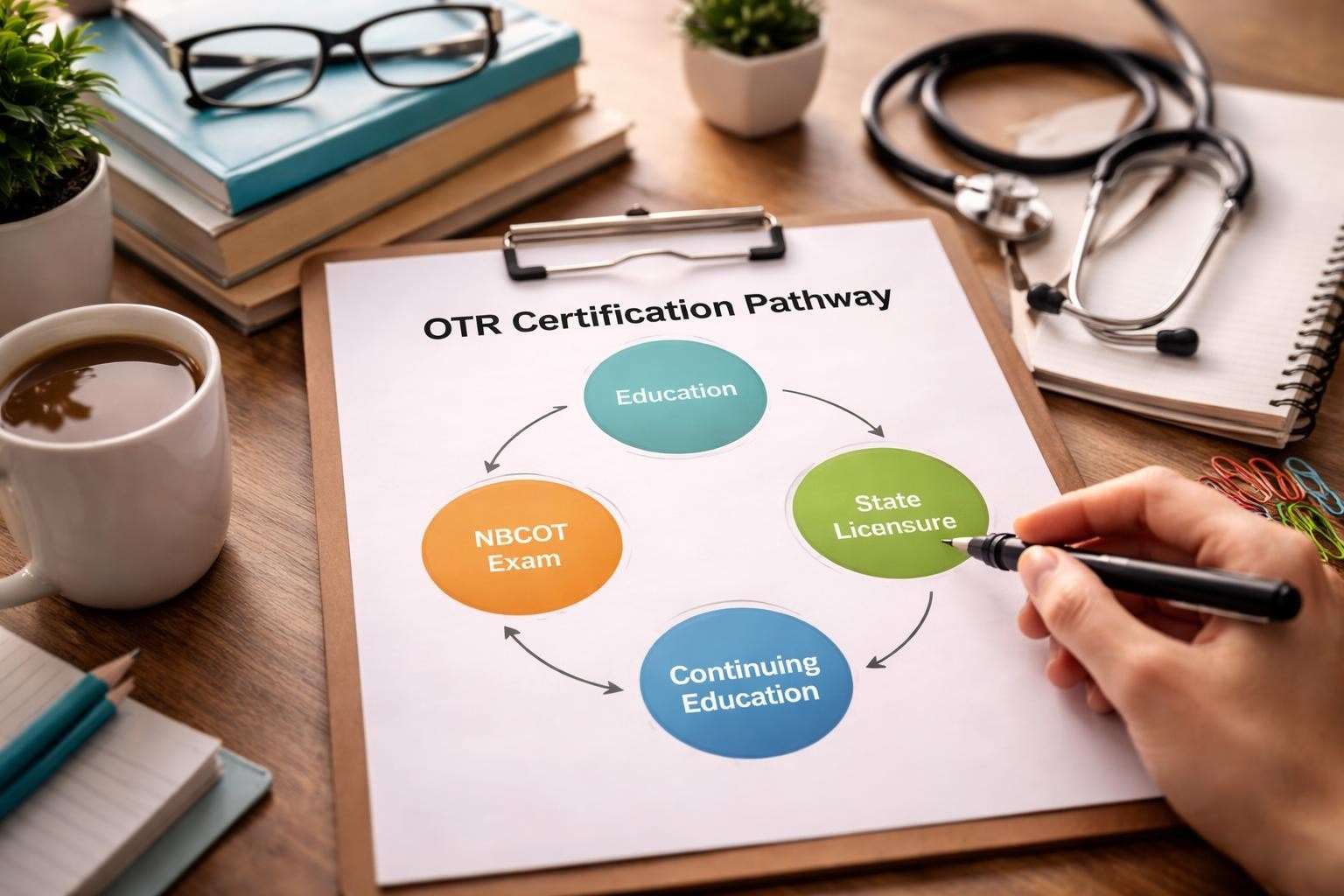
The abbreviation OTR stands for Occupational Therapist Registered. You might also see OTR/L, where the "L" indicates state licensure. Here's what makes this credential special:
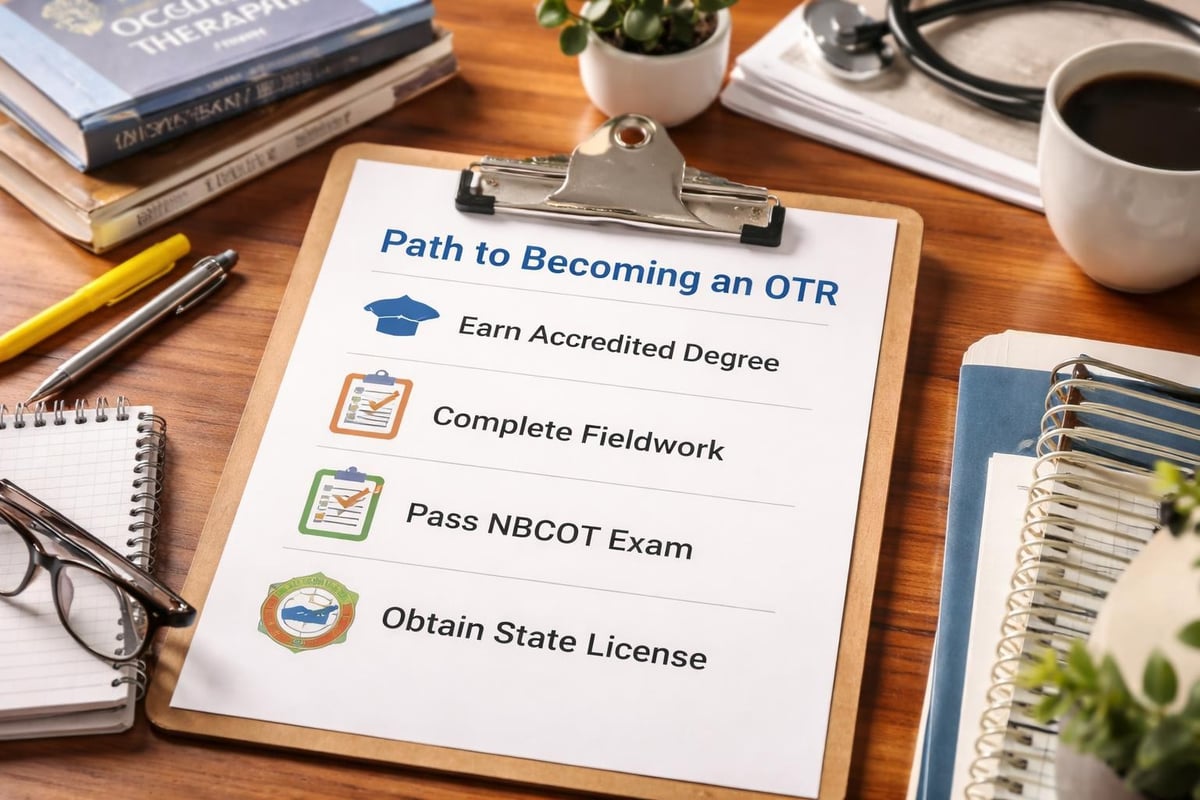
- National certification through the National Board for Certification in Occupational Therapy (NBCOT)
- Educational requirements including a master's or doctoral degree in occupational therapy
- Passing score on the comprehensive NBCOT examination
- Ongoing professional development to maintain certification
Think of the OTR credential as your assurance that the therapist has demonstrated competency across the full spectrum of occupational therapy practice. They've studied everything from pediatric development to geriatric care, from physical rehabilitation to cognitive interventions.
How OTR Differs from OTA and Other Credentials
You've probably encountered various occupational therapy titles, and the alphabet soup can get confusing. Let me break down the key differences:
| Credential | Education Level | Scope of Practice | Supervision |
|---|---|---|---|
| OTR | Master's or Doctorate | Full evaluation, treatment planning, supervision | Independent practice |
| OTA | Associate's Degree | Treatment implementation | Works under OTR supervision |
| OTD | Clinical Doctorate | Advanced practice, research, leadership | Independent practice |
An OTR can conduct initial evaluations, develop comprehensive treatment plans, and supervise occupational therapy assistants (OTAs). This complete scope of practice is particularly important when working with complex cases involving multiple disabilities or conditions. The evidence-based practice resources that OTRs utilize ensure they're applying the latest research to your care.
Why does this matter for your family? When seeking services for someone with developmental disabilities, you want the professional creating the treatment plan to have that higher level of training and clinical reasoning.
The Clinical Expertise Behind OTR Occupational Therapy
OTR occupational therapy involves sophisticated clinical reasoning that goes beyond basic treatment techniques. Your registered occupational therapist analyzes how various factors intersect to affect daily functioning:
Assessment and Evaluation
An OTR conducts comprehensive assessments examining:
- Sensory processing abilities
- Motor coordination and strength
- Cognitive and perceptual skills
- Social and emotional regulation
- Environmental barriers and supports
These evaluations inform personalized treatment plans tailored to individual needs and goals. Rather than applying cookie-cutter approaches, OTRs synthesize information from multiple sources to understand the whole person.
Treatment Planning and Implementation
Once evaluation is complete, your OTR develops targeted interventions. For someone with neurological disabilities, this might include adapted equipment recommendations, home modifications, and specific therapeutic activities. The National Board for Certification in Occupational Therapy research resources help practitioners stay current with effective interventions.
The beauty of OTR occupational therapy? It adapts to where you are. Sessions might occur in clinics, homes, schools, or community settings depending on your needs.

Specializations Within OTR Practice
Not all OTRs practice the same way. Many develop specialized expertise in specific populations or treatment approaches:
- Pediatric specialization focusing on developmental delays and disabilities
- Neurological rehabilitation for stroke, traumatic brain injury, or progressive conditions
- Hand therapy addressing upper extremity injuries and conditions
- Mental health supporting emotional regulation and coping strategies
- Sensory integration helping individuals process sensory information effectively
When you're seeking services in Hampton Roads and throughout Virginia, finding an OTR with relevant specialization can make a significant difference in outcomes. Someone who regularly works with intellectual disabilities brings nuanced understanding that generalists might lack.
Continuing Education and Professional Growth
Here's something many people don't realize: earning the OTR credential is just the beginning. Maintaining certification requires ongoing professional development. This commitment to lifelong learning means your therapist stays current with:
- Emerging research findings
- New assessment tools
- Innovative treatment techniques
- Changes in best practice guidelines
The Occupational Therapy Journal of Research publishes cutting-edge studies that inform practice. Many OTRs also pursue additional certifications in specific treatment approaches or specialty areas throughout their careers.
Finding Quality OTR Occupational Therapy Services
So how do you identify quality OTR services in your area? Start by asking these questions:
- Is the therapist currently registered with NBCOT?
- What experience do they have with your specific needs or diagnosis?
- Do they participate in interdisciplinary teams?
- How do they measure progress and adjust treatment?
- What role will family members play in the therapeutic process?
Quality OTR occupational therapy involves collaboration. Your therapist should communicate clearly about goals, progress, and home strategies. They should also connect you with complementary services when needed, whether that's speech therapy, physical therapy, or behavioral support.

The Impact on Quality of Life
Let's talk about real outcomes. What can you expect from working with an OTR? The goal isn't just improving specific skills in isolation. It's about enhancing overall quality of life and helping individuals reach their full potential.
For children with developmental disabilities, this might mean:
- Greater independence in self-care activities
- Improved ability to participate in school
- Better social interaction skills
- Reduced sensory overwhelm
For adults with neurological conditions, OTR occupational therapy often focuses on:
- Returning to meaningful activities
- Adapting homes for safety and accessibility
- Developing compensatory strategies
- Supporting community participation
The reference resources available to occupational therapists help ensure interventions are grounded in solid evidence, giving you confidence in the approach.
Insurance and Accessibility Considerations
Understanding coverage for OTR occupational therapy helps you plan effectively. Most insurance plans cover occupational therapy when medically necessary, though specific benefits vary. Important factors include:
| Coverage Aspect | What to Check |
|---|---|
| Authorization requirements | Pre-approval needed? |
| Visit limitations | Annual or per-condition caps? |
| Provider network | In-network OTRs available? |
| Documentation needs | What justifies medical necessity? |
Many practices work directly with insurance companies to verify benefits and handle authorization processes. Don't let insurance complexity prevent you from accessing needed services. Ask about payment plans or sliding scale options if needed.
OTR occupational therapy provides comprehensive, evidence-based care delivered by highly trained professionals committed to improving daily functioning and quality of life. Whether you're supporting a child with developmental delays or an adult with neurological challenges, working with a registered occupational therapist ensures you're receiving expert, personalized care. Hansel Union Consulting, PLLC offers experienced OTR services as part of our comprehensive therapeutic approach, supporting individuals and families throughout Hampton Roads and Virginia with the specialized care they deserve.