Have you ever wondered how recreation can be therapeutic? When you think about activities like swimming, art classes, or community outings, you might not immediately connect them to medical treatment. But that's exactly what a recreation therapist Virginia Beach does-they transform everyday activities into powerful therapeutic interventions that improve physical, cognitive, emotional, and social functioning. Whether you're seeking support for yourself or a loved one with developmental, intellectual, or neurological disabilities, understanding how recreation therapy works can open new pathways to wellness and independence.
What Does a Recreation Therapist Actually Do?
A recreation therapist uses activities you might already enjoy-sports, games, creative arts, music, dance, and community outings-as therapeutic tools. Unlike traditional physical or occupational therapy, recreation therapy focuses on the whole person, addressing not just physical limitations but also emotional wellbeing, social skills, and quality of life.
Think about it this way: if someone struggles with social anxiety, a recreation therapist Virginia Beach might use group activities in a supportive environment to gradually build confidence and interpersonal skills. The National Center for Biotechnology Information defines recreation therapy as a treatment service designed to restore, remediate, and rehabilitate functioning through therapeutic recreation interventions.
Core Responsibilities Include:
- Assessment and evaluation of client needs, interests, and abilities
- Individualized treatment planning based on specific therapeutic goals
- Implementation of therapeutic activities ranging from adaptive sports to creative arts
- Documentation and progress tracking to measure outcomes
- Community reintegration support helping clients participate in local activities

Why Virginia Beach Is Ideal for Recreation Therapy
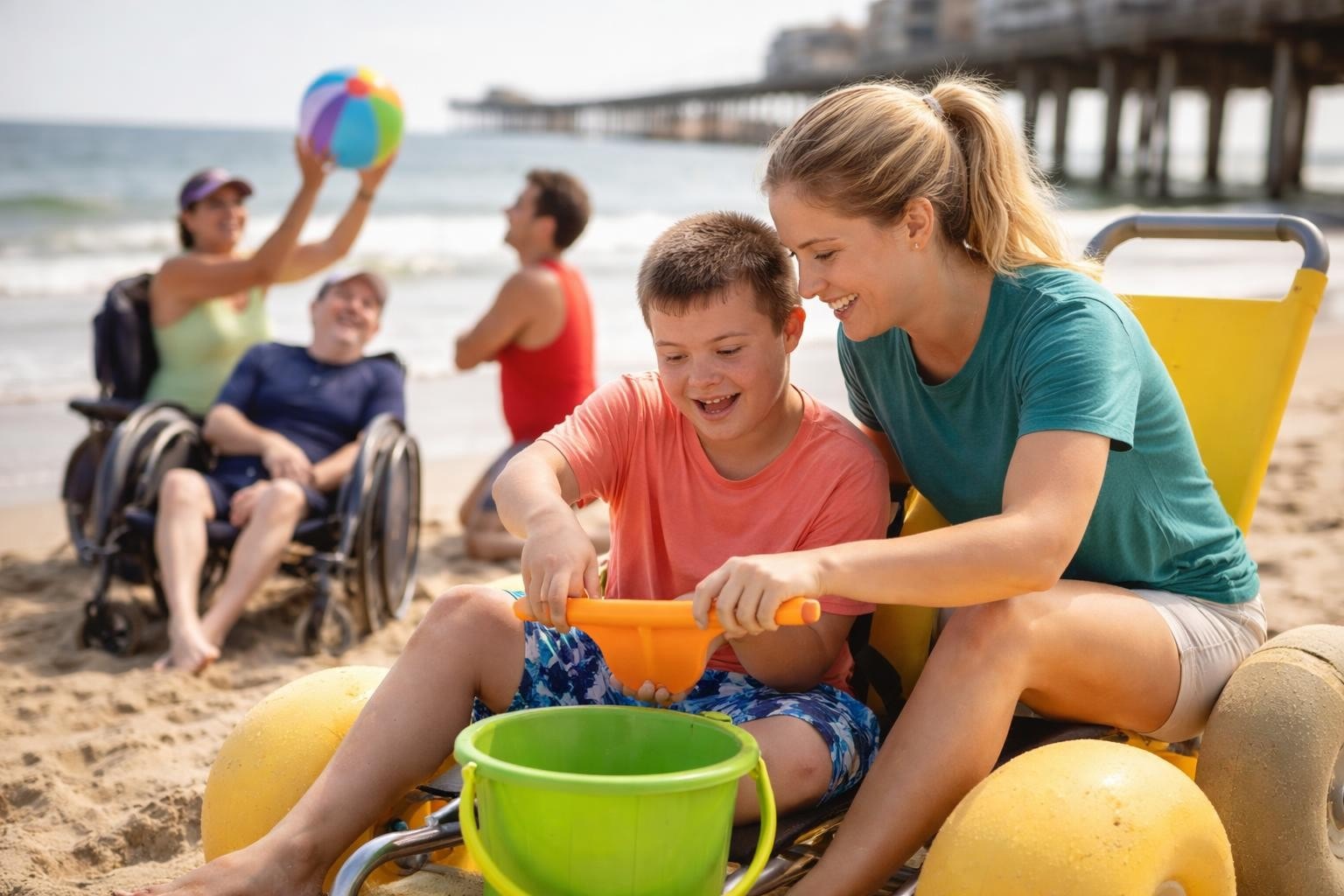
Virginia Beach offers unique advantages for recreation therapy services. With miles of accessible beaches, numerous parks, and a community-focused infrastructure, the area provides abundant opportunities for therapeutic recreation. The Virginia Beach Department of Parks and Recreation offers therapeutic recreation programs including after-school programs, summer camps, and adaptive aquatic activities specifically designed for individuals with disabilities.
The coastal environment itself becomes a therapeutic tool. Water-based activities provide low-impact exercise options, sensory experiences, and social opportunities that land-based activities can't always match. When you work with a recreation therapist Virginia Beach, you're accessing not just professional expertise but also a rich environment of natural and community resources.
| Program Type | Benefits | Typical Participants |
|---|---|---|
| Aquatic Therapy | Low-impact exercise, sensory stimulation, motor skill development | All ages with mobility challenges |
| Community Integration | Social skills, confidence building, independence | Teens and adults with developmental disabilities |
| Adaptive Sports | Physical fitness, teamwork, self-esteem | Children and adults with physical or cognitive disabilities |
| Creative Arts | Emotional expression, fine motor skills, stress reduction | All ages seeking alternative communication methods |
Who Benefits from Recreation Therapy Services?
Recreation therapy isn't one-size-fits-all. The beauty of this approach is its adaptability to different needs and conditions. You might benefit from working with a recreation therapist Virginia Beach if you or someone you care for experiences:
Developmental disabilities like autism spectrum disorder, Down syndrome, or cerebral palsy require approaches that address communication, social interaction, and motor skills simultaneously. Recreation therapy provides natural contexts for practicing these skills.
Neurological conditions including traumatic brain injuries, stroke, or multiple sclerosis often benefit from the recreation therapy approaches used by Veterans Affairs facilities, which emphasize rebuilding functional abilities through meaningful activities.
Intellectual disabilities present unique challenges that recreation therapy addresses through structured play, community participation, and skill-building activities tailored to individual cognitive levels.
Specific Populations Served:
- Children with autism who need structured social opportunities
- Adults recovering from stroke rebuilding physical and cognitive function
- Veterans with PTSD seeking alternative therapeutic approaches
- Seniors with dementia maintaining engagement and quality of life
- Individuals with multiple disabilities requiring comprehensive, integrated support
Finding the Right Recreation Therapy Support
When you're searching for a recreation therapist Virginia Beach, you want someone who understands both the clinical aspects of therapy and the personal dimensions of recreation. The right therapist will conduct thorough assessments, develop goals collaboratively with you, and adjust interventions based on your progress and preferences.
Professional recreation therapists hold certification from the National Council for Therapeutic Recreation Certification (NCTRC) and often have specialized training in specific populations or intervention techniques. They work as part of multidisciplinary teams, coordinating with speech therapists, occupational therapists, physical therapists, and psychologists to ensure comprehensive care.
What to look for in a provider:
- Relevant certifications and ongoing professional development
- Experience with your specific condition or disability
- Collaborative approach that includes family members
- Access to appropriate facilities and community resources
- Flexible programming that adapts to changing needs
You'll find recreation therapy positions throughout the region, with organizations like Sentara Health actively recruiting recreation therapists to expand their therapeutic services. This growing demand reflects increasing recognition of recreation therapy's value in comprehensive care.
Integration with Community Resources
The most effective recreation therapist Virginia Beach doesn't work in isolation. They connect you with broader community resources that extend therapeutic benefits beyond scheduled sessions. VirginiaNavigator provides information on accessible recreation programs available throughout the area, helping individuals with disabilities participate fully in community life.
This community integration serves multiple purposes. It reduces social isolation, provides opportunities for practicing skills in natural settings, and builds sustainable wellness habits that continue long after formal therapy ends.
| Community Resource | How It Supports Therapy | Accessibility Features |
|---|---|---|
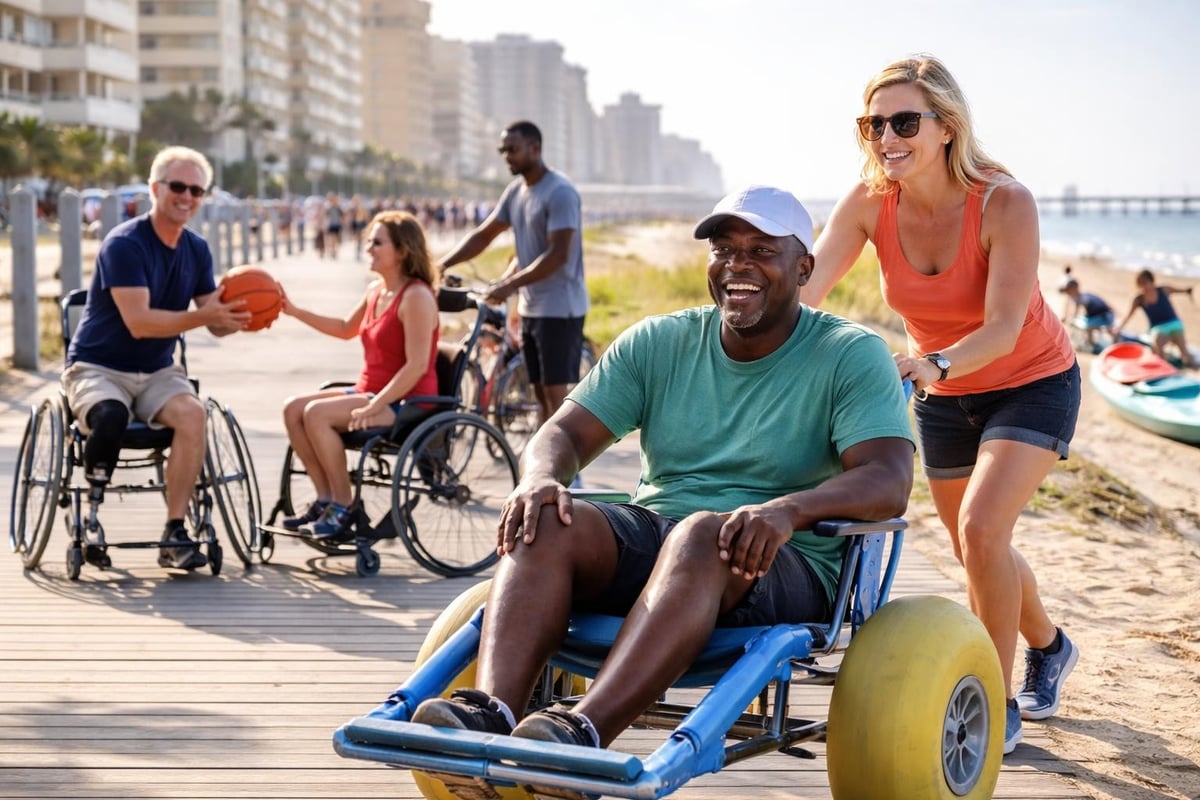
| Adaptive Beach Programs | Physical activity, sensory integration | Wheelchair access, specialized equipment |
| Inclusive Sports Leagues | Social skills, teamwork | Modified rules, supportive coaching |
| Arts Centers | Creative expression, fine motor skills | Adaptive tools, flexible pacing |
| Parks & Recreation Centers | Community participation, independence | Universal design, trained staff |
Therapeutic Activities That Make a Difference
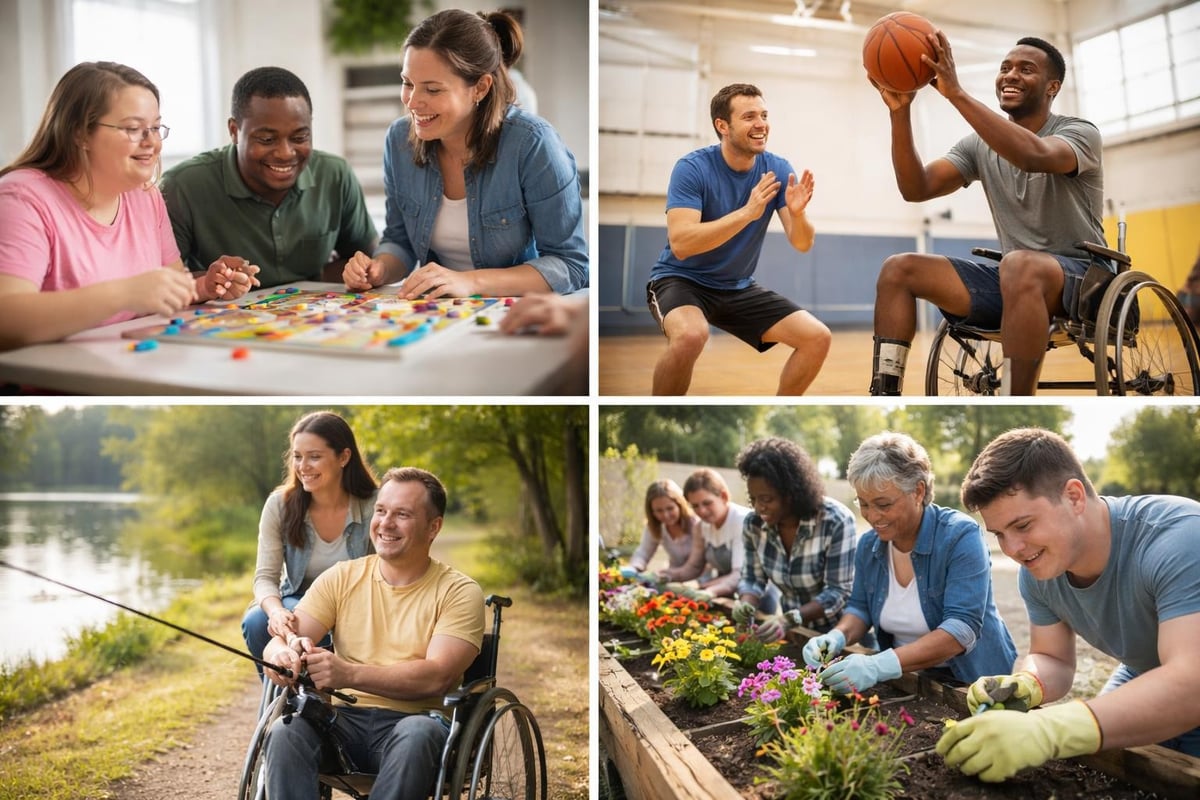
What does a typical recreation therapy session look like? That depends entirely on your goals, interests, and abilities. One person might spend time in adaptive kayaking to build upper body strength and confidence. Another might participate in group art therapy to develop emotional expression and social connections. The VA’s recreation therapy programs demonstrate how diverse these interventions can be, from outdoor adventure therapy to pet-assisted activities.
The key is that activities are selected strategically, not randomly. Your recreation therapist Virginia Beach analyzes which activities will address specific therapeutic objectives while also being enjoyable and meaningful to you. This dual focus-therapeutic benefit and personal satisfaction-distinguishes recreation therapy from other interventions.
Popular Therapeutic Activities:
- Water-based programs: Swimming, aquatic exercise, adaptive surfing
- Land sports: Wheelchair basketball, adaptive tennis, bocce
- Creative arts: Painting, music therapy, dance movement
- Nature programs: Gardening, hiking, environmental education
- Social recreation: Game nights, community outings, special events
Measuring Progress and Outcomes
How do you know if recreation therapy is working? Your therapist will establish measurable goals from the beginning and track progress systematically. These might include physical markers like increased range of motion or endurance, cognitive improvements like better problem-solving or memory, social gains like initiating conversations or maintaining friendships, or emotional changes like reduced anxiety or improved self-esteem.
Documentation isn't just paperwork-it's how therapists refine interventions, communicate with other team members, and demonstrate value to insurance providers and families. You should expect regular progress reviews where you discuss what's working, what's challenging, and how the treatment plan might need adjustment.
Common measurable outcomes:
- Improved physical functioning and independence in daily activities
- Enhanced social interaction and relationship building
- Better emotional regulation and coping strategies
- Increased community participation and integration
- Higher overall quality of life and life satisfaction
Recreation therapy represents a powerful approach to improving quality of life through activities that are both therapeutic and enjoyable. If you're in the Hampton Roads area seeking comprehensive therapeutic support for developmental, intellectual, or neurological disabilities, Hansel Union Consulting, PLLC provides personalized recreation therapy alongside behavioral, speech, occupational, physical, and psychological therapies. With over a decade of experience supporting individuals throughout Virginia, we're here to help you or your loved one reach full potential through integrated, compassionate care.