May brings more than spring flowers and warmer weather-it's mental health awareness month 2026, a critical time when communities across the nation focus on breaking down barriers and supporting mental wellness. TL;DR: This year's mental health awareness month emphasizes turning awareness into action through community engagement, professional support, and reducing stigma. Whether you're a caregiver, therapist, or someone seeking support, understanding this year's themes and resources can transform how you approach mental wellness in your daily life.
Why Mental Health Awareness Month 2026 Matters More Than Ever
You've probably noticed the conversation around mental health has shifted dramatically over the past decade. What once stayed hidden behind closed doors now takes center stage in schools, workplaces, and dinner table conversations. But awareness alone isn't enough anymore.
This year's observance takes a different approach. The National Alliance on Mental Illness highlights the importance of community support and sharing personal experiences to combat stigma. Instead of just talking about mental health, we're being called to actively participate in creating supportive environments.

The Shift From Awareness to Action
Here's what makes mental health awareness month 2026 different from previous years:
- Tangible action steps rather than general awareness campaigns
- Community-based initiatives that connect people with local resources
- Integration of whole-person care addressing physical and mental wellness together
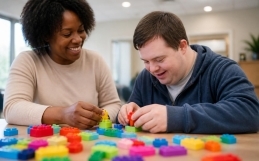
- Focus on underserved populations including individuals with developmental disabilities
The theme "Turn Awareness into Action" reflects this evolution. According to community health organizations, this approach emphasizes the "5 C's of Mental Health"-a framework that moves beyond simple acknowledgment toward meaningful intervention.
Themes and Tools Shaping 2026
Different organizations have adopted complementary themes that all point toward the same goal: making mental health support accessible and actionable. The Hogg Foundation introduces "More Good Days, Together," emphasizing community resilience and diverse mental health experiences.
What does this mean for you? It means recognizing that mental health isn't one-size-fits-all. For someone navigating developmental disabilities, good days might look entirely different than for someone managing workplace stress. That's exactly why personalized therapeutic approaches matter so much.
Resources Available This May
| Resource Type | Purpose | Who Benefits |
|---|---|---|
| SAMHSA Toolkit | Social media content and messaging | Community organizers, therapists |
| Educational Materials | Stigma reduction campaigns | Schools, families |
| Professional Networks | Connecting with local services | Individuals seeking care |
| Teen-Focused Programs | Building emotional resilience | Adolescents and parents |
The Substance Abuse and Mental Health Services Administration provides comprehensive toolkits that therapeutic professionals can use throughout the month and beyond. These materials help translate awareness into concrete support systems.
Supporting Mental Health Across Different Populations
Mental health awareness month 2026 recognizes that different age groups and populations face unique challenges. Older adults, teenagers, and individuals with neurological differences all require tailored approaches.
For teenagers especially, this developmental period brings intense emotional and social pressures. Resources like those from Emmadavisbooks.com offer practical toolkits that help teens develop confidence and manage emotions-skills that form the foundation of lifelong mental wellness.
Special Considerations for Developmental Disabilities
When you're working with individuals who have developmental, intellectual, or neurological disabilities, mental health support requires specialized understanding. These individuals often face compounded challenges:
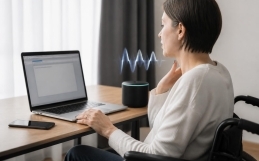
- Communication barriers that make expressing distress difficult
- Limited access to providers trained in dual diagnosis
- Social isolation and reduced community integration
- Higher vulnerability to anxiety and depression
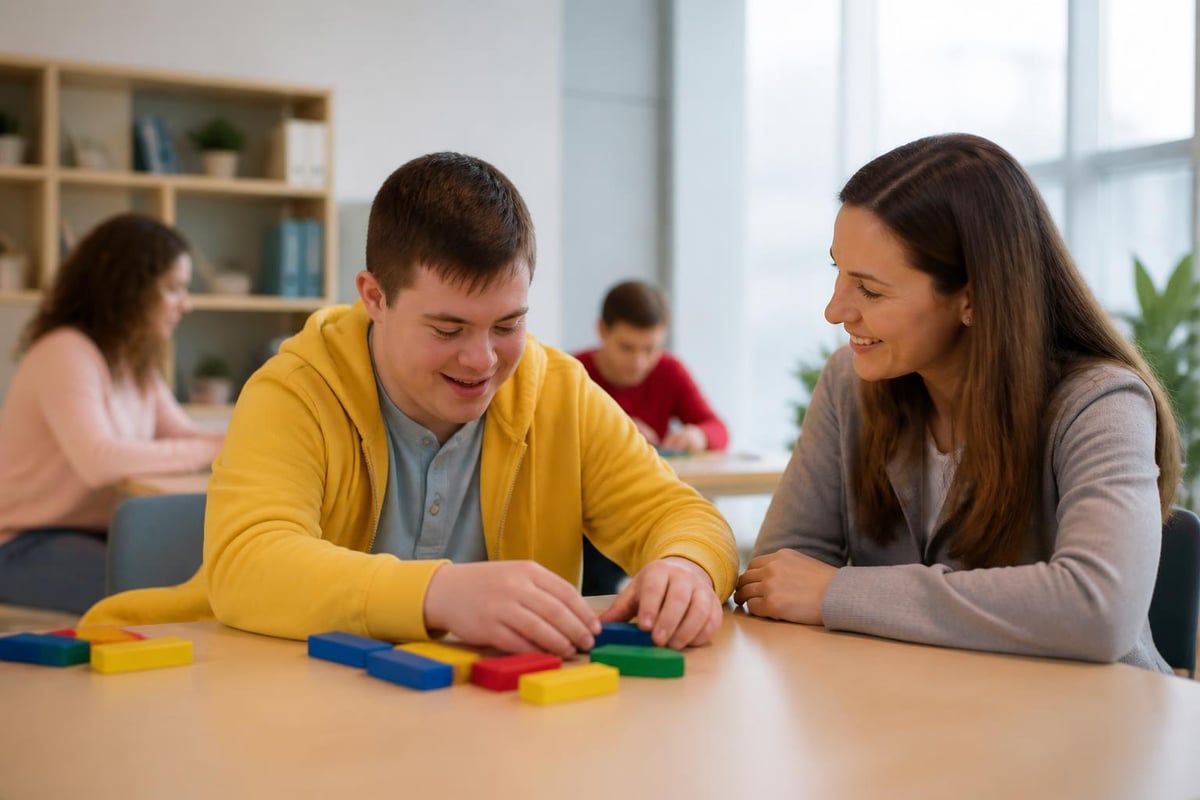
Comprehensive therapeutic services address these challenges through multiple modalities. Behavioral therapy, speech therapy, and occupational therapy work together to support not just mental health, but overall quality of life.
Practical Ways to Participate This May
You don't need to be a mental health professional to make a difference during mental health awareness month 2026. Small actions create ripple effects in your community.
Individual Actions:
- Share your story to reduce stigma
- Learn about mental health resources in Hampton Roads and Virginia
- Check in with friends and family members regularly
- Advocate for mental health coverage and services
For Families and Caregivers:
- Educate yourself about signs of mental health struggles
- Create open communication channels at home
- Connect with support groups for caregivers
- Explore therapeutic options through established providers
For Organizations:
- Host mental health education events
- Partner with therapeutic service providers to offer workshops
- Implement wellness programs for employees or students
- Share resources from trusted mental health organizations
The National Council’s overview emphasizes that consistent, year-round commitment matters more than one month of heightened awareness. But May serves as a powerful catalyst for establishing those ongoing practices.
Building Sustainable Mental Health Support
What happens after May ends? That's the question driving this year's action-oriented approach. Creating sustainable support systems requires infrastructure that extends beyond awareness campaigns.
Creating Your Mental Health Action Plan
Think about mental health support like building a house. Awareness is the blueprint, but you need strong foundations and ongoing maintenance:
| Phase | Activities | Timeline |
|---|---|---|
| Assessment | Identify current needs and gaps | Week 1-2 |
| Connection | Research and contact local resources | Week 2-3 |
| Implementation | Begin therapy or support programs | Week 3-4 |
| Maintenance | Regular check-ins and adjustments | Ongoing |
Schools are taking this seriously. The Irvine Unified School District outlines comprehensive approaches to student mental health that continue throughout the academic year. These models show how institutions can embed mental wellness into their core operations.

The Role of Professional Therapeutic Services
While community support and personal action matter tremendously, professional intervention often makes the critical difference. Comprehensive therapeutic services provide structured, evidence-based approaches that address complex mental health needs.
For individuals with developmental disabilities, this professional support becomes even more essential. The intersection of mental health and developmental needs requires providers who understand both domains deeply. Behavioral therapy helps address challenging behaviors while building coping skills. Speech therapy can unlock communication pathways that reduce frustration and anxiety. Occupational therapy builds independence and confidence through skill development.
These services aren't separate from mental health-they're integral to it. When someone can communicate their needs, participate in meaningful activities, and develop functional skills, their mental wellness improves dramatically.
Mental health awareness month 2026 challenges all of us to move beyond understanding toward meaningful action. By connecting with professional resources, supporting community initiatives, and prioritizing mental wellness in our daily lives, we create environments where everyone can thrive. If you or someone you care for in Hampton Roads or across Virginia needs comprehensive therapeutic support, Hansel Union Consulting, PLLC offers personalized behavioral, speech, occupational, physical, and psychological therapies designed to foster quality of life and unlock potential for individuals with developmental, intellectual, and neurological disabilities.