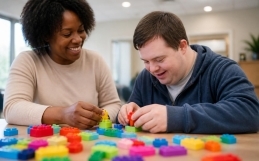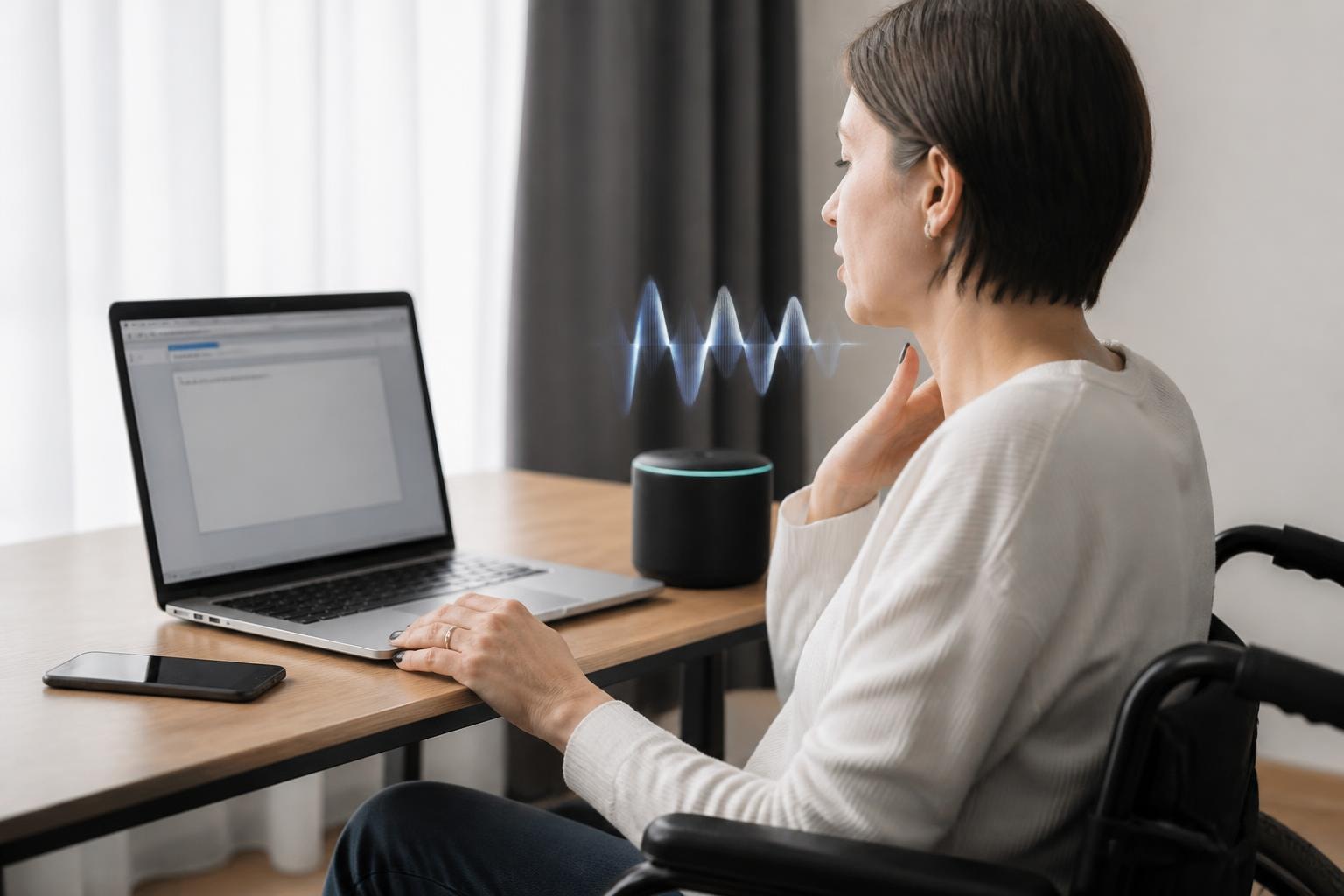
Have you ever struggled to understand how someone without verbal speech can express their thoughts, needs, and emotions? For individuals with speech impairments, developmental disabilities, or neurological conditions, text to speech devices for communication have become absolute game-changers. These innovative tools transform written words into spoken language, giving voice to those who might otherwise remain unheard.
TL;DR: Text to speech devices for communication enable individuals with speech impairments to convert typed messages into spoken words. From dedicated AAC devices to smartphone apps, these tools range from free software to specialized tablets. They're essential for people with conditions like aphasia, autism, cerebral palsy, and ALS, offering customizable voices, symbol-based communication, and portable solutions that enhance independence and quality of life.
Understanding Text-to-Speech Communication Technology
Text to speech devices for communication work by converting typed or selected text into synthesized speech. Think of them as digital voices that speak on behalf of individuals who cannot communicate verbally.
These devices have evolved dramatically since 2010, when basic synthesized voices sounded robotic and unnatural. Today's technology produces remarkably human-like speech with appropriate intonation and emotion. The best text-to-speech software now offers multiple languages, accents, and voice personalities.
Who Benefits from These Devices?
The range of individuals who rely on these communication aids is broader than you might expect:
- People with aphasia following stroke or brain injury
- Children and adults with autism spectrum disorder
- Individuals with cerebral palsy affecting speech muscles
- Those with ALS (Lou Gehrig's disease) losing verbal communication
- People with intellectual disabilities requiring communication support
- Individuals with voice disorders or laryngectomy
At Hansel Union Consulting, we've witnessed firsthand how these devices transform therapy sessions and daily interactions. Our speech therapy services often incorporate AAC technology to maximize communication outcomes.
Types of Text-to-Speech Devices for Communication
Choosing the right device depends on individual needs, cognitive abilities, and lifestyle requirements. Let's break down your options.
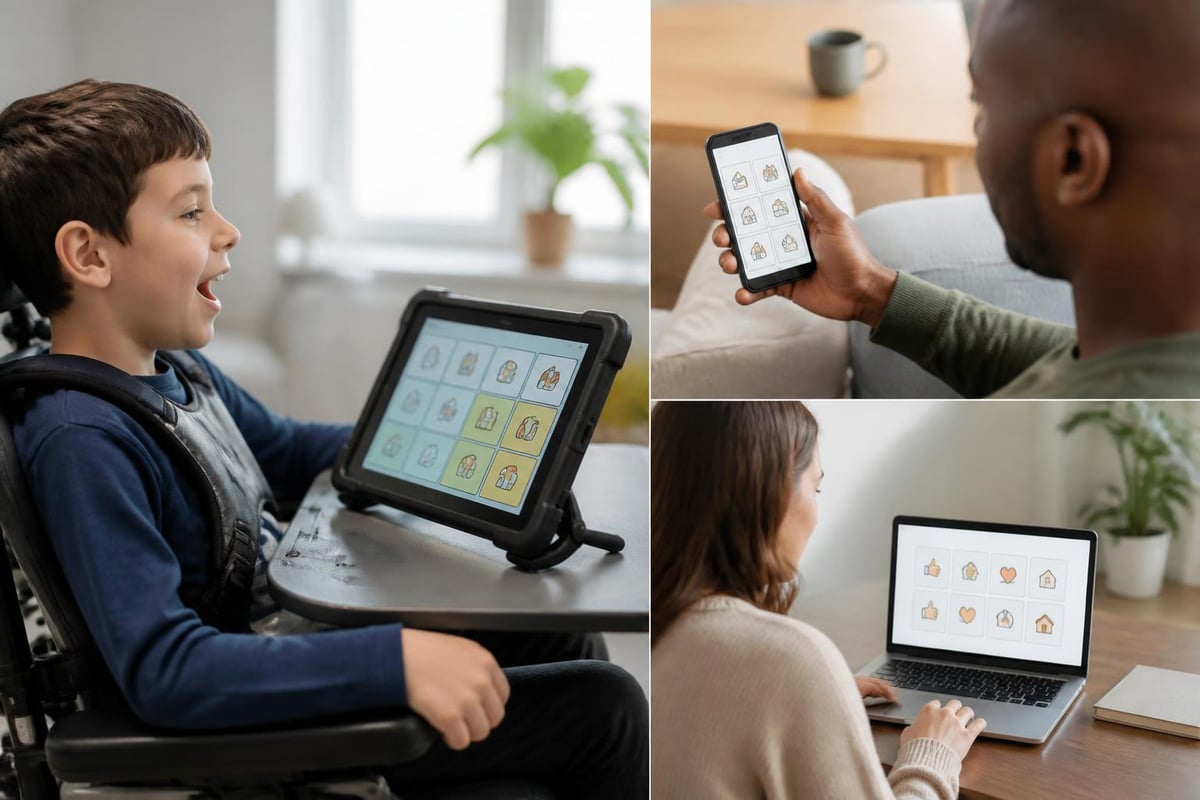
Dedicated AAC Tablets
These specialized devices are built specifically for communication purposes. Lingraphica’s AAC devices represent the gold standard in this category, offering intuitive interfaces designed for individuals with language and speech challenges.
| Feature | Dedicated AAC | Smartphone Apps | Computer-Based |
|---|---|---|---|
| Durability | Excellent | Good | Limited portability |
| Customization | Extensive | Moderate | High |
| Voice Quality | Natural | Variable | Excellent |
| Cost | $2,000-$15,000 | $0-$300 | $0-$500 |
| Insurance Coverage | Often covered | Rarely | Sometimes |
Dedicated devices excel because they're rugged, have long battery life, and include specialized features like eye-gaze tracking or switch access for individuals with limited mobility.
Smartphone and Tablet Applications
The accessibility revolution has brought powerful communication tools to everyday devices. You might be surprised to learn that free text-to-speech software can deliver professional-grade results without any financial investment.
These apps work brilliantly for individuals who:
- Have good fine motor control for touchscreen interaction
- Need a lightweight, portable communication solution
- Are already familiar with smartphone technology
- Require quick implementation without insurance approval delays
Our team at Hansel Union Consulting often recommends starting with app-based solutions while pursuing funding for dedicated devices.
Type-to-Talk Systems
Type-to-Talk devices serve individuals who can type but cannot speak, offering real-time conversion of typed messages into speech. These systems are particularly valuable for people with dysphonia or voice disorders who retain their language abilities.
Key Features That Make the Difference
When evaluating text to speech devices for communication, certain features dramatically impact usability and effectiveness.
Voice Customization Options
Would you want to sound like a generic robot? Neither do device users. Modern systems offer:
- Multiple voice options including male, female, and children's voices
- Accent selection matching regional speech patterns
- Speaking rate adjustment for clarity and natural conversation flow
- Pitch and volume control for environmental adaptation
Symbol-Based Communication
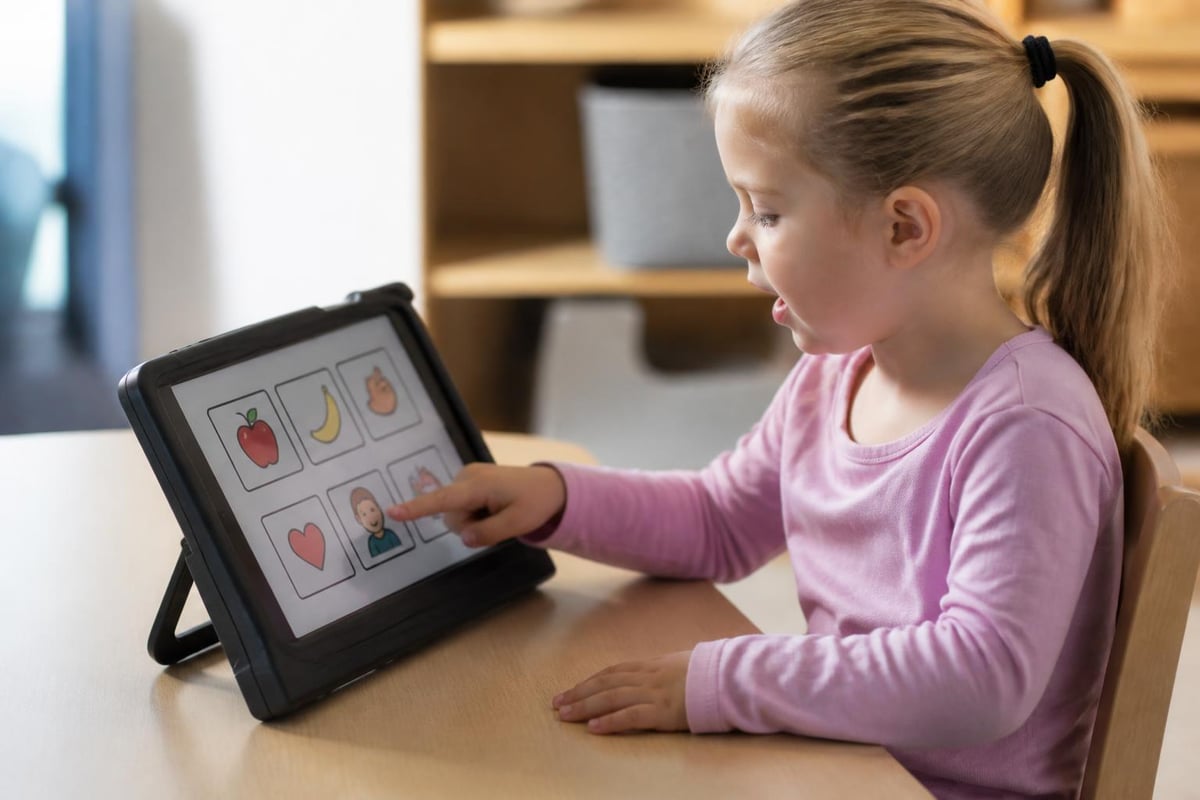
Not everyone communicates through traditional typing. Symbol-based systems allow users to select pictures or icons that generate corresponding speech output. This approach works exceptionally well for individuals with intellectual disabilities or those who benefit from visual supports.
Portability and Battery Life
Communication needs don't pause for charging breaks. The most effective devices balance processing power with all-day battery performance, ensuring users can communicate throughout their daily activities without interruption.
Implementing Communication Devices Successfully
Getting the device is just the beginning. Successful implementation requires thoughtful planning and professional support.
Assessment and Selection Process
The Job Accommodation Network’s guidance on speech accommodations emphasizes thorough assessment before device selection. This evaluation should consider:
- Current communication abilities and challenges
- Cognitive and literacy skills
- Physical access capabilities (hand function, vision, hearing)
- Communication environment and partners
- Long-term needs and goals
Our speech therapists in Virginia conduct comprehensive assessments to match individuals with optimal communication solutions.
Training and Support
Device abandonment is a real problem. Studies show that up to 30% of AAC devices are eventually abandoned due to inadequate training or support. Preventing this waste requires:
- Initial training for the device user and communication partners
- Ongoing troubleshooting and technical support
- Regular updates to vocabulary and settings as needs evolve
- Integration with therapy goals and daily routines
Insurance and Funding Options
Many families worry about affordability, but numerous funding sources exist. Medicare, Medicaid, and private insurance often cover augmentative and alternative communication devices when medically necessary and properly documented.
The approval process typically requires:
- Speech-language pathologist evaluation and recommendation
- Documentation of medical necessity
- Trial period demonstrating benefit
- Detailed justification letter explaining why less expensive alternatives won't work
Emerging Technologies Shaping the Future
The field of text to speech devices for communication continues advancing rapidly. Research into models like EfficientSpeech demonstrates how sophisticated voice synthesis can now run on resource-limited devices, making high-quality communication tools more accessible and affordable.
Artificial Intelligence Integration
AI-powered predictive text dramatically speeds communication by anticipating words and phrases based on context and user history. This technology reduces the physical effort required and increases conversation speed, making interactions feel more natural.
Multi-Modal Communication
Future devices won't rely solely on text input. Gesture recognition, facial expression analysis, and brain-computer interfaces are transitioning from research labs to practical applications, opening communication possibilities for individuals with severe physical limitations.
Practical Considerations for Daily Use
Beyond technical specifications, real-world usability determines whether a device truly serves its user. What works in a quiet clinic may fail in noisy restaurants or outdoor settings.
Environmental Adaptability
Quality text to speech devices for communication adjust to various settings:
- Volume control that responds to ambient noise levels
- Display brightness readable in sunlight and dim lighting
- Protective cases for moisture, dust, and impact resistance
- Mounting options for wheelchairs, standers, or positioning systems
Social Acceptance and Dignity
Communication devices should enhance, not hinder, social interaction. Smaller, more discreet designs reduce stigma, while natural-sounding voices promote dignified conversations. The goal isn't just functional communication but meaningful social connection.
For individuals receiving speech therapy for autism, AAC devices often serve as bridges to eventual verbal communication while providing immediate expressive capabilities.
Maintenance and Long-Term Success
Owning a communication device requires ongoing care similar to any essential technology. Regular software updates, battery replacement, and protective screen maintenance extend device lifespan and reliability.
Building a support network matters too. Connect with other AAC users, join online communities, and maintain relationships with speech therapists who understand your specific device. This network becomes invaluable when troubleshooting issues or exploring new features.
At Hansel Union Consulting, we recognize that communication devices are more than technology-they're pathways to participation, education, employment, and relationships. Whether someone needs basic phrase generation or sophisticated conversation tools, the right solution exists.

Text to speech devices for communication represent freedom, independence, and dignity for individuals who cannot communicate verbally. From dedicated AAC tablets to smartphone applications, these tools continue evolving to meet diverse needs and abilities. Whether you're exploring options for yourself or a loved one, comprehensive assessment and professional guidance ensure the best match between user and technology. The therapeutic team at Hansel Union Consulting, PLLC has supported individuals across Hampton Roads since 2010 in finding and implementing communication solutions that truly transform lives. Contact us today to schedule an assessment and discover how the right communication device can open new possibilities for connection and expression.