Have you ever wondered what it takes to help someone transition from assisted living to true independence? An independent living counselor plays a transformative role in empowering individuals with disabilities to build the skills, confidence, and resources they need to live on their own terms. These professionals work behind the scenes, creating personalized pathways toward self-sufficiency that honor each person's unique abilities and goals. Whether you're exploring career opportunities in this field or seeking services for yourself or a loved one, understanding what these counselors do can open up a world of possibilities.
What Does an Independent Living Counselor Do?
An independent living counselor serves as both a guide and advocate for individuals navigating the journey toward self-reliance. Their work goes far beyond simple instruction, encompassing everything from daily living skills to emotional support and community connection.
Core Responsibilities and Daily Tasks
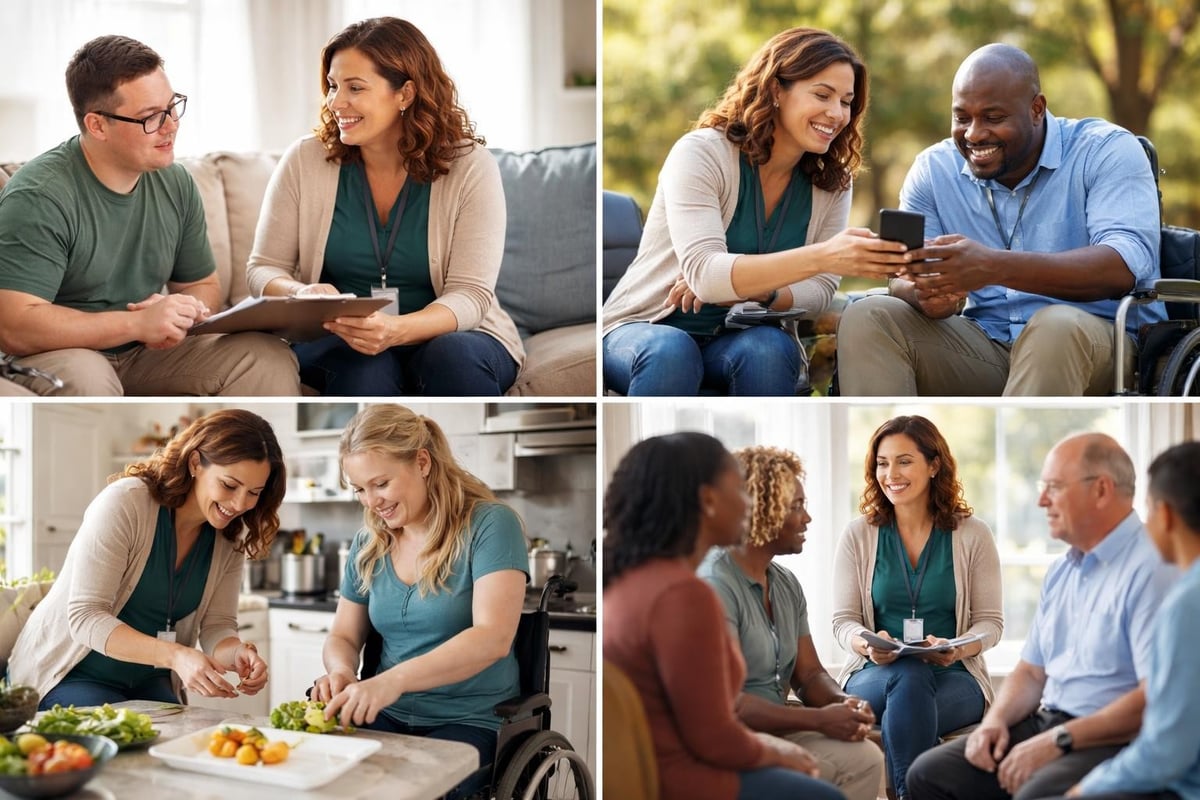
These professionals wear many hats throughout their workday. They assess clients' current abilities, identify areas for growth, and develop customized plans that address specific needs. You'll find them teaching everything from budgeting and meal preparation to transportation navigation and personal care routines.
According to the North Carolina Department of Health and Human Services, independent living services include skills training, personal assistance, peer counseling, and advocacy. These comprehensive offerings ensure that clients receive holistic support tailored to their circumstances.
Building Essential Life Skills
Think about all the small tasks you do each day without thinking. For someone with developmental or intellectual disabilities, these same tasks might require careful instruction and practice. An independent living counselor breaks down complex activities into manageable steps, providing patient guidance as clients master each component.
Key skill areas include:
- Personal hygiene and self-care routines
- Household management and cleaning
- Financial literacy and money management
- Grocery shopping and meal planning
- Safe medication management
- Using public transportation
The Disabled Resource Center’s Independent Living Skills program emphasizes how life skills training combined with peer support creates lasting independence. This dual approach recognizes that technical skills alone aren't enough-emotional connection and community matter too.
Training and Qualifications for This Career Path
Interested in becoming an independent living counselor yourself? The pathway involves both formal education and hands-on experience that prepare you to handle diverse client needs with sensitivity and expertise.
Educational Requirements
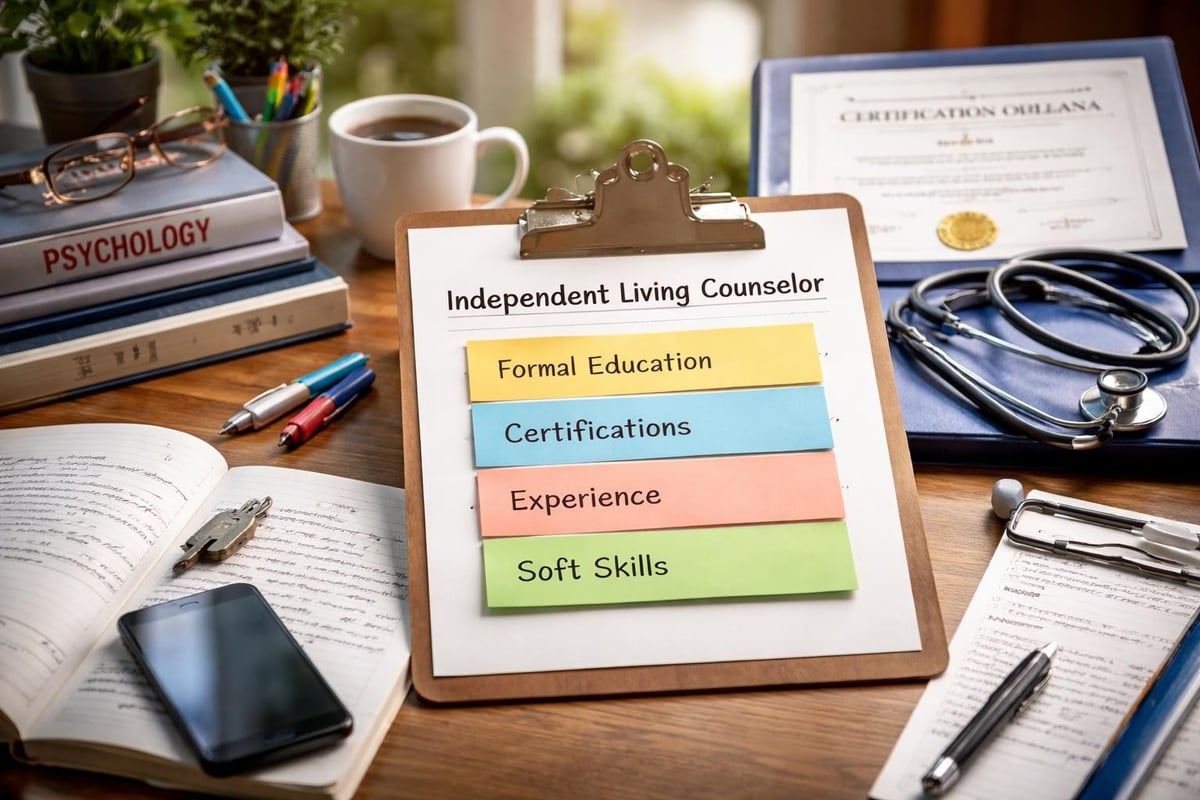
Most positions require at least a bachelor's degree in social work, psychology, rehabilitation counseling, or a related field. Some counselors hold advanced degrees that deepen their understanding of therapeutic interventions and case management strategies.
Beyond traditional degrees, specialized certifications can enhance your credentials. Daniel Memorial Institute offers an Independent Living Specialist Certification Course that provides comprehensive training specifically designed for this field. For those working with housing-related challenges, becoming familiar with HUD housing counselor certification can prove invaluable.
Essential Soft Skills and Personal Qualities
You could have all the certifications in the world, but without genuine empathy and patience, you won't thrive in this role. The best counselors possess:
- Active listening abilities that help them understand unspoken needs
- Cultural competence to serve diverse populations respectfully
- Problem-solving creativity for developing individualized strategies
- Communication clarity when explaining complex concepts
- Emotional resilience to maintain positivity through challenges
HealthyLifetime Training Institute provides advanced training for independent living coaches, focusing on health behavior changes and building client resilience-skills that separate adequate counselors from exceptional ones.
Working with Different Populations
An independent living counselor adapts their approach based on who they're serving. The strategies that work for a teenager with autism differ significantly from those appropriate for an adult recovering from a traumatic brain injury.
Supporting Youth Transitions
Adolescents and young adults face unique challenges as they prepare to leave school systems and family homes. As outlined in Valley Youth House’s Life Skills Counselor description, supervised independent living programs provide crucial scaffolding during this vulnerable transition period.
For teens developing confidence and managing emotions, resources like those from Emmadavisbooks.com offer practical toolkits that complement counselor-led instruction. These materials help young people build resilience and emotional regulation skills essential for independent living success.
Serving Adults with Varying Needs
Adult clients bring different life experiences and support requirements. Some may have lived independently before acquiring a disability, while others are experiencing autonomy for the first time. Your role involves honoring their history while building forward-looking skills.
| Client Population | Primary Focus Areas | Common Challenges |
|---|---|---|
| Young Adults (18-25) | Education, employment, housing | Emotional regulation, social skills |
| Adults (26-50) | Career advancement, family planning | Balancing multiple responsibilities |
| Older Adults (51+) | Aging in place, health management | Physical limitations, isolation |
The Impact of Independent Living Support
What difference does this work actually make? The transformations can be profound and far-reaching, affecting not just individuals but their families and communities.
Measuring Success and Outcomes
Success looks different for every client. For one person, it might mean confidently riding the bus to a job interview. For another, it's preparing a week's worth of nutritious meals independently. These milestones represent genuine victories that expand what's possible.
Common outcome metrics include:
- Increased self-sufficiency in daily activities
- Reduced reliance on family or institutional support
- Improved employment rates and earnings
- Enhanced social connections and community participation
- Greater life satisfaction and self-esteem
Similar to residence counselors, independent living counselors track progress through regular assessments and goal reviews, adjusting strategies as clients grow and change.

Real-World Employment Opportunities
Where do these professionals actually work? The settings vary widely, offering different environments and specializations. Independent Living Skills Trainers might find positions in residential facilities, community-based organizations, government agencies, or private practices.
Each setting offers distinct advantages. Residential programs provide intensive, immersive support. Community-based services allow counselors to work with clients in their actual living environments. Private practices offer flexibility but require strong business skills alongside counseling expertise.
Building Your Practice or Finding the Right Counselor
Whether you're establishing yourself as an independent living counselor or searching for services, knowing what to look for ensures better outcomes. Quality matters immensely in this deeply personal work.
For Aspiring Counselors
Starting your career requires strategic planning. Network with established professionals, seek mentorship opportunities, and gain diverse experience across different populations and settings. Consider specializing in areas where you feel particularly passionate or where community need exceeds available services.
For Families Seeking Services
When evaluating potential counselors for yourself or a loved one, ask about their experience with similar disabilities or age groups. Request information about their approach to goal-setting and how they measure progress. The right fit involves both professional competence and personal rapport.
Independent living counselors create bridges between where people are and where they want to be, transforming aspirations into achievable realities through patient, skilled support. If you're seeking comprehensive therapeutic services that include independent living skills training alongside behavioral, speech, occupational, physical, and psychological therapies, Hansel Union Consulting, PLLC has served individuals with developmental, intellectual, and neurological disabilities across Hampton Roads and Virginia since 2010. Reach out today to discover how personalized care can help you or your loved one build a more independent, fulfilling life.