
Have you noticed your voice getting weaker, raspier, or harder to project? Whether you're dealing with vocal fatigue, recovering from an injury, or managing a neurological condition, you're not alone in searching for solutions. TL;DR: Speech therapy to strengthen vocal cords uses targeted exercises, breathing techniques, and vocal function training to rebuild voice quality, stamina, and control. With personalized guidance from trained therapists, you can restore your vocal strength and confidence through evidence-based methods.
Your voice is one of your most powerful communication tools, yet many people don't realize how much their vocal cords can benefit from therapeutic intervention. Let's explore how professional support can help you reclaim your vocal strength.
Why Your Vocal Cords Need Strengthening
Think of your vocal cords like any other muscle in your body. When they're not functioning properly, everything from casual conversation to professional communication becomes challenging. The truth is, various vocal cord disorders can affect anyone at any age.
Your vocal cords work incredibly hard every day. They vibrate hundreds of times per second when you speak, and over time, various factors can weaken them:
- Neurological conditions affecting muscle control
- Vocal cord lesions or nodules from overuse
- Aging and natural muscle deterioration
- Injury or surgery requiring rehabilitation
- Prolonged disuse leading to atrophy
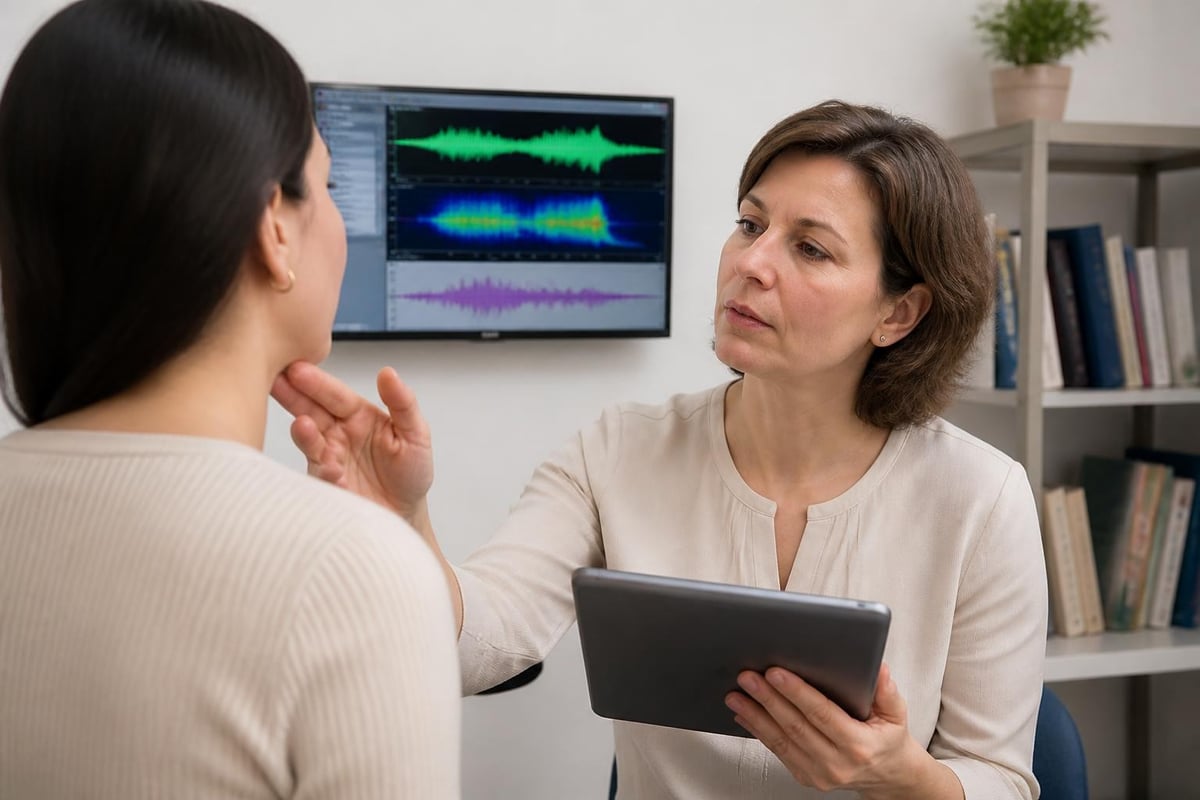
When you're dealing with these challenges, speech therapy to strengthen vocal cords becomes essential rather than optional. Professional therapists understand the intricate balance between airflow, muscle tension, and resonance that creates your unique voice.
How Speech Therapy Rebuilds Vocal Strength
You might be wondering what actually happens during vocal cord strengthening therapy. The process is more scientific and structured than most people expect, combining physiology, technique, and consistent practice.
The Foundation: Breathing and Support
Everything starts with your breath. Without proper respiratory support, your vocal cords can't function optimally no matter how many exercises you do. Therapists work with you on:
- Diaphragmatic breathing to create steady airflow
- Breath control exercises for sustained phonation
- Coordination drills linking breath to voice onset
- Stamina building for longer speaking periods
This foundation makes every other exercise more effective. You'll notice the difference in how effortlessly your voice emerges once you master breath support.
Vocal Function Exercises That Actually Work
Vocal function exercises are designed specifically to strengthen and coordinate your vocal folds. These aren't random warm-ups but scientifically developed protocols that target specific aspects of vocal production.
| Exercise Type | Purpose | Frequency |
|---|---|---|
| Sustained vowels | Build endurance and steadiness | 2x daily |
| Pitch glides | Improve flexibility and range | 3x daily |
| Crescendo exercises | Strengthen muscle coordination | 2x daily |
| Lip trills | Reduce tension while building strength | Multiple times |
The beauty of speech therapy to strengthen vocal cords lies in its customization. Your therapist adjusts these exercises based on your specific needs, progress, and underlying conditions.
Progressive Resistance Training for Your Voice
Just like strength training at the gym, vocal strengthening follows progressive principles. You start where you are and gradually increase demands on your vocal system. Techniques to strengthen your vocal cords build upon each other, creating sustainable improvement.
Your therapist might introduce semi-occluded vocal tract exercises, which create back-pressure that helps your vocal cords vibrate more efficiently. These include humming, straw phonation, and other techniques that feel surprisingly gentle yet deliver powerful results.
The Science Behind Vocal Rehabilitation
Modern speech therapy to strengthen vocal cords isn't guesswork. Research continues advancing our understanding of how vocal cords function and respond to training. Therapists use this knowledge to design interventions that target the precise mechanisms needed for improvement.

When you work with a qualified speech-language pathologist, they're applying evidence-based practices tailored to your situation. For individuals with developmental or neurological disabilities, this personalized approach becomes even more critical because standard protocols may need significant adaptation.
Real-World Applications and Modifications
Let's talk about what this looks like in practice. If you're supporting someone with neurological challenges, voice therapy approaches can be modified to accommodate cognitive, physical, or sensory differences.
Adapting Exercises for Different Needs
- Visual supports for those who process information better through seeing
- Tactile cues including hand placement for breath awareness
- Simplified instructions broken into manageable steps
- Motivating activities that maintain engagement throughout sessions
- Family training so practice continues at home effectively
The goal isn't perfection but meaningful improvement in daily communication. Every small gain in vocal strength translates to better quality of life and increased confidence in social situations.
Preventing Further Vocal Damage
While building strength, you're also learning protective strategies. Did you know that understanding how to care for your vocal cords prevents future problems? Your therapist teaches you to recognize early warning signs of vocal strain and adjust accordingly.
Think about it: you wouldn't lift heavy weights with poor form and expect good results. The same principle applies to your voice. Proper technique during speech therapy to strengthen vocal cords protects while it builds.
Daily Habits That Support Vocal Health
| Helpful Habit | Why It Matters |
|---|---|
| Hydration | Keeps vocal cords lubricated and flexible |
| Vocal rest | Allows recovery between speaking demands |
| Avoiding throat clearing | Prevents trauma to delicate tissues |
| Proper amplification | Reduces need for excessive projection |
Your therapist helps you develop these habits naturally, integrating them into your lifestyle rather than treating them as burdensome rules.

Measuring Progress and Adjusting Treatment
How do you know if speech therapy to strengthen vocal cords is working? Your therapist uses both objective measurements and functional assessments. You might track speaking endurance, pitch range, vocal quality ratings, and real-world communication success.
This data-driven approach ensures your treatment stays on course and adapts as you improve. Some people see dramatic changes within weeks, while others require months of consistent work. Either way, the trajectory should show steady improvement with proper adherence to your therapeutic program.
For individuals receiving comprehensive therapeutic services, vocal strengthening often integrates with other interventions. Physical therapy might address posture that affects breathing. Occupational therapy could work on stamina for vocal demands throughout daily activities. This holistic approach, especially valuable for those with complex needs, creates synergy across different therapeutic domains.
Strengthening your vocal cords through professional speech therapy opens doors to clearer communication, greater confidence, and improved quality of life. Whether you're recovering from injury, managing a chronic condition, or supporting someone with developmental needs, targeted vocal exercises and expert guidance make measurable differences. Since 2010, Hansel Union Consulting, PLLC has provided personalized speech therapy services throughout Hampton Roads and Virginia, helping individuals with diverse needs achieve their communication goals. Ready to strengthen your voice? Connect with our experienced team today to start your journey toward vocal wellness.