
If you're exploring therapeutic options for yourself or a loved one with developmental, intellectual, or neurological disabilities, you've probably encountered the term "OTR" in occupational therapy contexts. But what is an OTR in occupational therapy, exactly? Understanding this credential helps you make informed decisions about care and ensures you're working with properly qualified professionals. An OTR, or Occupational Therapist Registered, is a licensed professional who has completed advanced education and passed a national certification exam to help people achieve independence in daily activities. Let's break down everything you need to know about this essential credential.
Understanding the OTR Credential
When you see "OTR" after a therapist's name, you're looking at someone who has met rigorous national standards. The National Board for Certification in Occupational Therapy oversees this certification process, ensuring public safety and professional competence across the field.
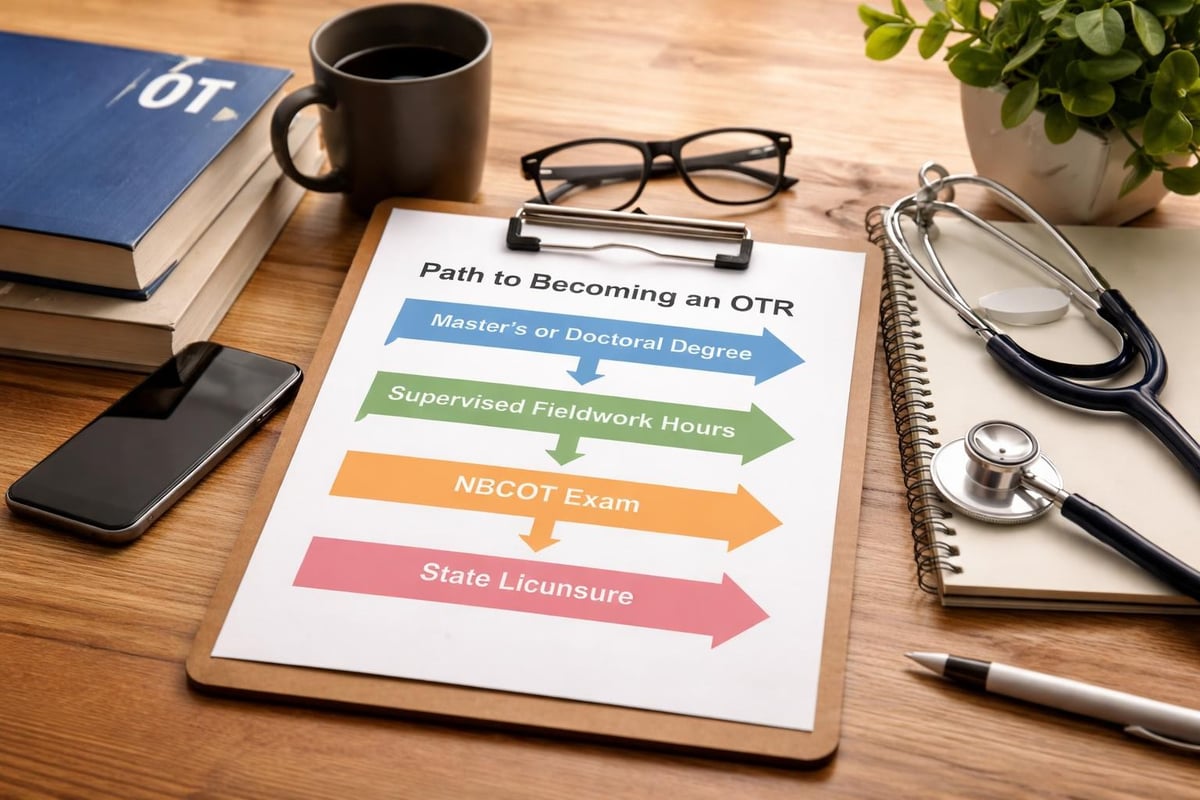
What is an OTR in occupational therapy from a technical standpoint? It's a professional designation that requires:
- A master's degree or doctorate in occupational therapy from an accredited program
- Completion of supervised fieldwork
- Passing the NBCOT certification examination
- State licensure (requirements vary by location)
Think of it this way: while all OTRs are occupational therapists, not all occupational therapy practitioners hold the OTR credential. Some work as Certified Occupational Therapy Assistants (COTAs), who provide services under OTR supervision.
Educational Requirements
The journey to becoming an OTR starts with comprehensive education. Most practitioners complete a master's degree program, though doctoral programs are becoming increasingly common in 2026. These programs typically take 2-3 years beyond a bachelor's degree.
Coursework covers anatomy, physiology, psychology, human development, and therapeutic techniques. Students also complete extensive clinical rotations where they apply classroom knowledge to real-world situations involving clients with various disabilities and conditions.
The NBCOT Certification Process
So what is an OTR in occupational therapy when it comes to actual certification? The certification exam tests comprehensive knowledge across multiple practice areas.
| Exam Component | Details |
|---|---|
| Question Format | Computer-based, multiple choice |
| Duration | 4 hours |
| Content Areas | Pediatrics, adults, geriatrics, mental health |
| Passing Standard | Scaled score of 450 or higher |
| Cost | Approximately $540 (2026) |
The exam evaluates your ability to work with diverse populations, from children with developmental delays to adults recovering from neurological injuries. You'll encounter scenarios involving assessment, intervention planning, and therapeutic implementation.
After passing, practitioners must maintain their certification through continuing education. This ensures OTRs stay current with evidence-based practices and emerging therapeutic techniques.
What OTRs Actually Do
Understanding what is an OTR in occupational therapy means recognizing the broad scope of practice. OTRs evaluate clients' abilities to perform daily activities and develop personalized intervention plans.
Key Practice Areas
Pediatric Services
- Helping children with developmental disabilities learn self-care skills
- Supporting sensory processing development
- Facilitating play-based learning
- Collaborating with families and schools
Adult and Geriatric Care
- Assisting stroke survivors in regaining independence
- Supporting individuals with traumatic brain injuries
- Adapting environments for aging in place
- Teaching compensatory strategies for cognitive challenges
Community Integration
When working with individuals who have mobility limitations, OTRs might collaborate with specialists in adaptive equipment. For instance, clients requiring wheelchair accessibility might benefit from resources like accessible vehicle solutions that support community participation and independence.

OTR vs. COTA: Understanding the Difference
Many people wonder what is an OTR in occupational therapy compared to a COTA. While both work in occupational therapy, there are distinct differences in training, responsibilities, and autonomy.
The NBCOT explains these roles clearly: OTRs complete graduate-level education and conduct comprehensive evaluations, while COTAs complete associate degree programs and implement treatment plans under OTR supervision.
OTRs are responsible for:
- Initial client evaluations and assessments
- Developing comprehensive treatment plans
- Supervising COTAs and support staff
- Making clinical decisions about discharge
COTAs contribute by:
- Implementing established treatment protocols
- Documenting client progress
- Providing feedback to supervising OTRs
- Delivering hands-on therapeutic interventions
This collaborative model ensures clients receive high-quality care while maximizing the efficiency of occupational therapy services.
State Licensure Requirements
Beyond national certification, what is an OTR in occupational therapy from a legal practice standpoint? Every state requires additional licensure to practice. These requirements typically include the NBCOT certification plus state-specific applications and fees.
State boards also mandate continuing education for license renewal. For example, Virginia requires OTRs to complete specific hours of continuing education every renewal period, ensuring practitioners serving Hampton Roads communities stay current with best practices.
The Value of Working with OTRs
When seeking therapeutic services for developmental, intellectual, or neurological disabilities, choosing an OTR means working with someone who's demonstrated expertise through rigorous education and examination. This matters because occupational therapy requires clinical judgment about complex situations affecting daily function.
OTRs bring evidence-based approaches to challenges like sensory processing disorders, fine motor difficulties, cognitive impairments, and adaptive equipment needs. They don't just treat symptoms-they address how disabilities impact real-life activities like dressing, eating, working, and engaging in community life.

Finding Qualified OTRs
When researching providers, verify credentials through state licensing boards or the NBCOT registry. At Hansel Union Consulting, PLLC, all occupational therapists maintain current OTR credentials and state licensure, ensuring you receive services from properly qualified professionals.
Look for OTRs with experience in your specific area of need. Whether you're seeking pediatric services for developmental delays or adult rehabilitation after neurological injury, specialized experience matters. Ask about therapists' backgrounds, treatment philosophies, and outcomes they've achieved with similar clients.
Insurance and Payment Considerations
Most insurance plans cover occupational therapy services provided by OTRs when medically necessary. However, coverage varies significantly between plans, so verify your benefits before beginning services.
Medicare, Medicaid, and private insurance typically require services to be provided by licensed OTRs (or COTAs under OTR supervision) for reimbursement. This is another reason understanding what is an OTR in occupational therapy matters-it affects your access to covered services.
Understanding what is an OTR in occupational therapy empowers you to make informed decisions about therapeutic care for yourself or loved ones facing developmental, intellectual, or neurological challenges. Since 2010, Hansel Union Consulting, PLLC has connected Hampton Roads and Virginia communities with certified OTRs and comprehensive therapeutic services designed to foster independence and quality of life. Reach out today to learn how our experienced occupational therapy team can support your journey toward greater independence.