
Ever wondered who helps people regain the ability to button their shirt after a stroke, or teaches a child with autism how to hold a pencil? That's where an occupational therapist comes in. These healthcare professionals focus on something we often take for granted: the ability to participate in everyday activities that give life meaning. Whether it's helping someone return to work after an injury, supporting a child's development, or enabling an older adult to maintain independence, occupational therapy is all about making daily life more manageable and fulfilling.
Understanding the Role of an Occupational Therapist
An occupational therapist works with people across all ages who face challenges participating in activities they need or want to do. The term "occupation" might sound like it's just about jobs, but in therapy terms, it means any meaningful activity, from getting dressed to cooking dinner to playing with friends.
These professionals assess how physical, cognitive, or emotional challenges impact someone's ability to function. They then create personalized intervention plans that address specific goals. Think of them as problem-solvers who figure out creative ways to help you do what matters most.
Who Benefits from Occupational Therapy?
The beauty of occupational therapy is its broad reach. Here's who can benefit:
- Children with developmental delays or disabilities who need support with motor skills, sensory processing, or school activities
- Adults recovering from injuries, strokes, or surgeries who want to regain independence
- Individuals with neurological conditions like Parkinson's or multiple sclerosis
- People with intellectual disabilities learning life skills
- Older adults working to prevent falls and maintain independent living
At Hansel Union Consulting, PLLC, we've seen firsthand how occupational therapy transforms lives across Hampton Roads and Virginia, especially for individuals with developmental, intellectual, and neurological disabilities.

Key Areas Where an Occupational Therapist Makes a Difference
Activities of Daily Living (ADLs)
An occupational therapist excels at helping people master the basics: bathing, dressing, eating, and grooming. When someone struggles with these tasks due to disability or injury, therapists introduce adaptive equipment, teach new techniques, or modify the environment to promote success.
For example, someone with limited hand strength might learn to use specialized utensils, while a person with visual impairments might organize their closet in a specific way to choose clothes independently.
Fine Motor and Coordination Skills
Hand-eye coordination, grip strength, and precise movements matter more than you might think. An occupational therapist helps children develop the fine motor skills needed for writing, cutting with scissors, or tying shoes. For adults, they might focus on regaining hand function after injury or managing conditions affecting dexterity.
| Skill Area | Pediatric Focus | Adult Focus |
|---|---|---|
| Fine Motor | Pencil grip, scissors use | Typing, cooking tasks |
| Gross Motor | Balance, playground skills | Walking aids, transfers |
| Sensory | Processing touch, sound | Managing pain, sensitivity |
| Cognitive | Following directions, attention | Memory strategies, planning |
Sensory Processing and Regulation
Many individuals with neurological or developmental disabilities experience sensory challenges. An occupational therapist trained in sensory integration helps people who are overwhelmed by loud noises, certain textures, or bright lights. They create sensory diets and coping strategies that make environments more tolerable.
The Assessment and Treatment Process
When you first meet with an occupational therapist, expect a thorough evaluation. They'll ask about your daily routines, challenges, and goals. They'll observe how you perform specific tasks and might use standardized assessments to measure function.
Creating Your Personalized Plan
Based on the assessment, your therapist develops a treatment plan tailored to your unique situation. This isn't a one-size-fits-all approach. The American Occupational Therapy Association provides evidence-based practice guidelines that therapists use to ensure interventions are grounded in research.
Your plan might include:
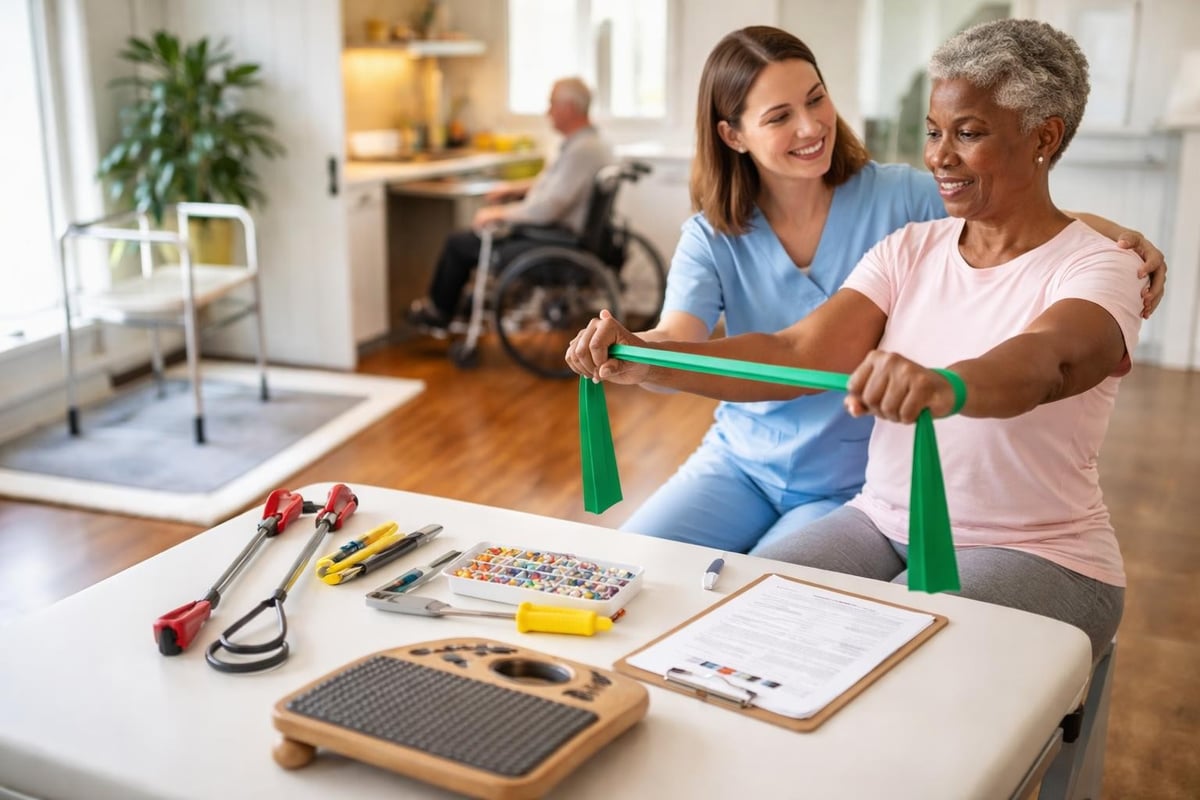
- Therapeutic exercises to build strength and coordination
- Adaptive equipment training to use tools that make tasks easier
- Environmental modifications to create safer, more accessible spaces
- Skill development through repetitive practice and learning strategies
- Family education so caregivers can support progress at home
Specialized Areas Within Occupational Therapy
The field is incredibly diverse. Some occupational therapists specialize in hand therapy, working closely with orthopedic conditions. Others focus on pediatrics, helping children in schools or clinics. You'll find occupational therapists in mental health settings, assisting people with conditions like depression or anxiety that affect daily function.
For those interested in exploring the breadth of research available, databases specific to occupational therapy offer peer-reviewed articles on emerging techniques and evidence-based practices.
Working in Different Settings
Where does an occupational therapist work? Everywhere! Hospitals, rehabilitation centers, schools, private practices, nursing homes, and even clients' homes. This flexibility allows therapists to meet people where they are and address real-world challenges in natural environments.
Why Occupational Therapy Matters for Long-Term Outcomes
The goal isn't just temporary improvement but sustainable independence. An occupational therapist teaches skills and strategies that last beyond therapy sessions. When someone learns to compensate for a disability or develops new habits that prevent future injury, they're investing in their long-term quality of life.
Measuring Success
Success looks different for everyone. For one person, it might mean returning to work. For another, it's playing independently with friends. An occupational therapist measures progress against the goals you've set together, adjusting the plan as needed.
Research shows that occupational therapy significantly improves outcomes for people with various conditions. Staying current with professional publications and research helps therapists bring the latest evidence into their practice.
The Training Behind the Profession
Becoming an occupational therapist requires serious education. Most practitioners hold a master's or doctoral degree in occupational therapy and must pass a national certification exam. They complete extensive fieldwork under supervision before practicing independently.
Continuing education keeps therapists sharp. Many pursue specialty certifications in areas like sensory integration, hand therapy, or assistive technology. Access to quality research resources supports ongoing professional development and ensures therapists stay informed about best practices.

Collaborating for Comprehensive Care
An occupational therapist rarely works alone. They collaborate with physical therapists, speech therapists, psychologists, teachers, and families. This team approach ensures all aspects of a person's needs are addressed.
At facilities offering multiple therapeutic services, this integration happens naturally. When therapists from different disciplines communicate regularly, clients receive more cohesive, effective care.
Understanding what an occupational therapist does reveals how essential this profession is for helping people live fuller, more independent lives. Whether addressing developmental challenges, recovering from injury, or managing chronic conditions, occupational therapy provides the tools and strategies people need to participate in activities that matter. If you or a loved one could benefit from personalized therapeutic support, Hansel Union Consulting, PLLC offers comprehensive occupational therapy services alongside behavioral, speech, physical, and psychological therapies throughout Hampton Roads and Virginia, creating integrated care that supports your journey toward independence and quality of life.