
Curious about how Speech Language Pathology (SLP) Therapy is changing in 2026? You are not alone. Demand for speech and language services keeps rising, and new breakthroughs are making real differences for individuals, families, and clinicians.
In this guide, you will discover how Speech Language Therapy is being transformed by cutting-edge technology, evidence-based practices, and expanded access to care. Whether you are a clinician, caregiver, or someone seeking support, you will find actionable tips and reliable resources to help you succeed.
Ready to explore the latest approaches, step-by-step processes, essential tools, and future trends? Use this guide to get the most out of your SLP therapy journey and make the best choices for your needs.
Understanding SLP Therapy in 2026
Speech-Language Pathology, or SLP, is all about helping people communicate and swallow better. At its heart, SLP therapy aims to assess, diagnose, and treat a wide range of communication and swallowing disorders. These can show up as issues with speech sounds, language understanding, social communication, cognitive skills, or even safe swallowing.
Here’s a quick look at the main areas SLP covers:
|
Disorder Type |
Examples |
|---|---|
|
Speech |
Articulation, stuttering |
|
Language |
Understanding or using words/sentences |
|
Social Communication |
Conversational skills, pragmatics |
|
Cognitive-Communication |
Memory, attention, problem-solving |
|
Swallowing |
Difficulty chewing or swallowing food |
Did you know that, according to the CDC, about 1 in 12 children in the US have a communication disorder? That number continues to rise, making SLP therapy more important than ever.
Fast forward to 2026, and the field looks dramatically different. Teletherapy is now the norm for many, connecting clients and clinicians no matter where they live. AI-driven assessment tools are making evaluations faster and more accurate. There’s also a wave of regulatory and educational updates, with new licensure requirements and coding changes. Interdisciplinary teamwork is becoming the gold standard, with SLPs working closely with doctors, teachers, and occupational therapists to provide holistic care. For a deeper dive into the SLP role and scope, check out this Speech and Language Pathologist Overview.
Let’s bring it to life with some examples. In pediatrics, early intervention using a blend of in-person and virtual sessions has led to better outcomes for kids with autism or language delays. For adults, post-stroke communication therapy now often includes culturally responsive materials, making sessions more relevant and effective. The push toward inclusive therapy means every client’s background, language, and culture are woven into their care plan, ensuring everyone gets the support they deserve.

The SLP Therapy Process: Step-by-Step Guide
Navigating the SLP therapy process in 2026 is more streamlined and client-centered than ever. Whether you’re new to the field or a seasoned participant, understanding each step ensures better outcomes. Let’s break down what you can expect throughout your SLP therapy journey.

Initial Assessment and Diagnosis
Every SLP therapy journey starts with a thorough assessment. Your SLP will collect a detailed case history, asking about medical, developmental, and educational backgrounds. This helps pinpoint the root of communication challenges.
Standardized tools, including AI-powered speech analysis, are now common. These tools make it easier and faster to identify specific needs. Families, caregivers, and other professionals often join the process, ensuring a complete picture of the client. Virtual assessments have become more popular, especially for those in rural or remote areas, making SLP therapy more accessible than ever.
Goal Setting and Individualized Therapy Planning
After assessment, your SLP will work with you to set clear, personalized goals. These goals follow the SMART framework: Specific, Measurable, Achievable, Relevant, and Time-bound. This makes progress easy to track and celebrate.
Therapy plans are built around your unique needs and preferences. Family input is not just welcome, it’s encouraged. SLPs use the latest evidence-based practices, as outlined in the 2026 ASHA guidelines, to ensure your SLP therapy plan is both effective and measurable.
Therapy Implementation: Techniques and Modalities
Now comes the hands-on part of SLP therapy. Your sessions might include articulation exercises, language intervention, social communication practice, or the use of AAC tools. Many SLPs combine traditional activities with digital apps and games for home practice.
Hybrid models, which mix in-person and virtual sessions, offer flexibility and improved outcomes. In fact, 60% of SLPs report better results using these blended approaches. Progress is closely monitored and therapy is adapted as needed. For a deeper look at the range of approaches and tools available, check out Speech Therapy Services Explained for practical insights.
Essential Tools and Resources for SLP Success
When it comes to SLP therapy in 2026, digital innovation leads the way. From interactive apps to AI-powered platforms, the options for both clinicians and families have never been richer. Tools like Speech Blubs and Proloquo2Go are now everyday staples, offering fun, personalized practice that motivates users of all ages. In fact, 75% of SLPs report using at least one digital tool each day. If you are curious about the latest breakthroughs, check out Innovations in SLP Technology to see how AI and machine learning are driving progress.
|
Tool/App |
Main Use |
Best For |
|---|---|---|
|
Speech Blubs |
Speech sound practice |
Young children |
|
Proloquo2Go |
AAC communication |
Nonverbal users |
|
AI Progress Trackers |
Feedback & analytics |
All ages |
For clinicians, staying updated means joining professional networks, pursuing continuing education, and tracking certification updates. Parents and caregivers benefit from home practice guides, online support groups, and adaptive devices for accessibility. Multilingual materials and culturally responsive resources are increasingly available, making SLP therapy more inclusive than ever.
Not sure how to pick the right resources? Try these tips:
-
Match tools to your specific needs and goals.
-
Look for evidence-based apps and platforms.
-
Prioritize accessibility and user-friendliness.
-
Seek out support communities for ongoing advice.
With so many evolving options, investing in the right tools and resources can make every SLP therapy journey more effective and enjoyable.

Choosing the Right SLP Provider
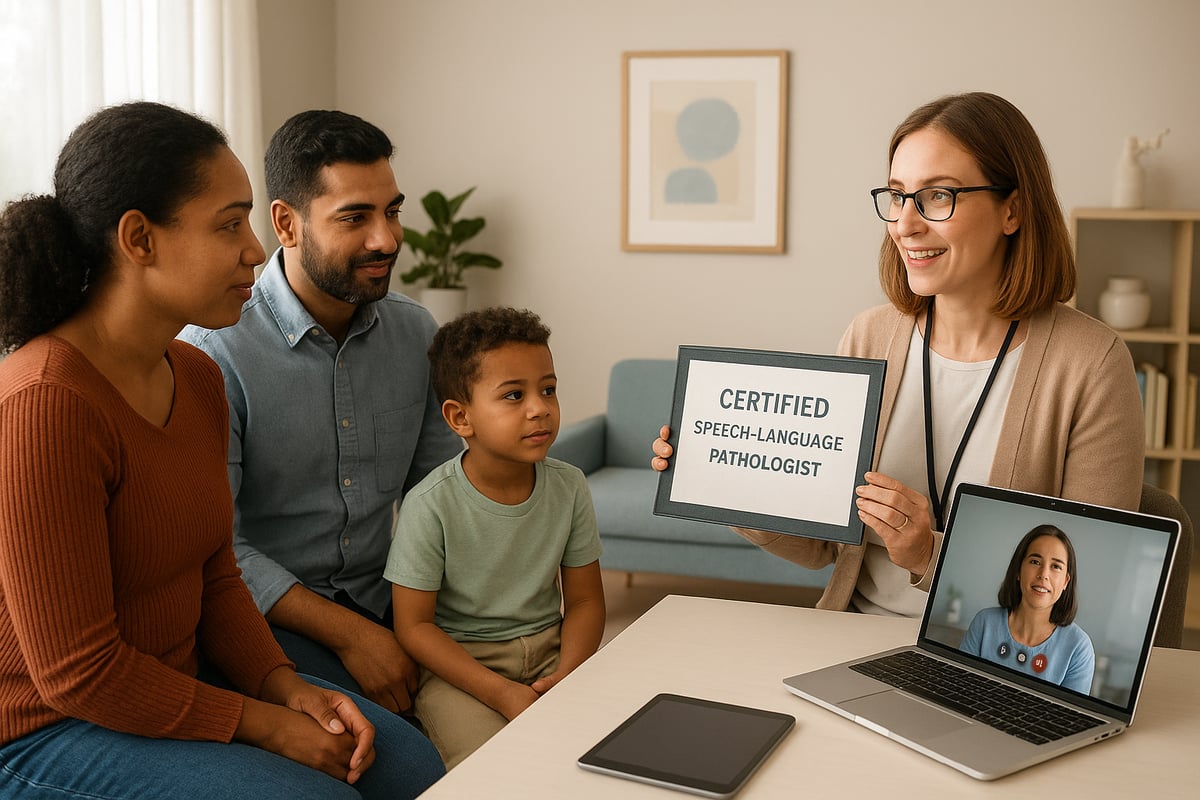
Finding the best SLP therapy provider can feel overwhelming, but focusing on a few key factors makes the process smoother. Start by checking credentials like ASHA certification and state licensure. These ensure your provider meets professional standards.
Next, ask questions about their experience, specialties, and approach. Do they have expertise with your specific needs? Are they open to collaboration with schools or healthcare teams? Multidisciplinary teamwork is especially important for complex SLP therapy cases, as it supports holistic care.
Fit matters too. Pay attention to communication style, cultural competence, and how accessible the provider is. Some families prefer in-person visits, while others benefit from the flexibility of teletherapy. Since 2020, there’s been a 40 percent jump in families choosing telehealth SLP services. For more tips on selecting the right provider, visit Choosing the Right Provider.
Watch out for red flags, such as unclear qualifications or reluctance to answer questions. Trust your instincts and remember, the right match can make all the difference in your therapy journey.
Innovations and Future Trends in SLP Therapy
Wondering what the future holds for SLP therapy? The landscape is evolving rapidly, and 2026 is set to bring even more exciting changes. Let’s look at the cutting-edge advances and best practices reshaping the field.
Technology-Driven Advances
Technology is at the forefront of SLP therapy innovation in 2026. Artificial intelligence and machine learning are making assessments more accurate and therapy more personalized. Tools like the MORA System use AI to help clients practice speech sounds through interactive, story-based activities, bridging the gap between clinic and home.
Virtual reality and gamification are making sessions engaging, especially for children and teens. Imagine adolescents with ASD practicing social skills in realistic virtual environments. Telepractice continues to expand, offering flexibility and access to care for clients in remote areas.
Evolving Best Practices and Policy Changes
Alongside tech breakthroughs, SLP therapy is embracing new standards in care. There’s a big push for culturally responsive and trauma-informed approaches, making therapy more inclusive for everyone.
Policy updates are shaping the profession, too. Insurance coverage is broadening, licensure is getting more portable across states, and telepractice regulations are adapting to modern needs. According to the Speech-Language Pathologists Occupational Outlook, job opportunities are projected to grow by 15 percent by 2026, reflecting the rising demand for services and innovative interventions. Advocacy and community partnerships will continue to shape the future, ensuring the field stays responsive and forward-thinking.