Did you know February is not just the shortest month, but also a time to shine a light on the power of recreation for healing and growth? Every year, therapeutic recreation month brings attention to the ways recreation transforms lives, especially for people with disabilities or health challenges.
In this guide, you’ll discover everything you need about therapeutic recreation month 2026. We’ll explore its inspiring history, the life-changing benefits it provides, and practical ways you can participate or show support.
Ready to learn how recreation can make a real difference? Let’s dive in and get inspired together.
What Is Therapeutic Recreation Month?
Every February, therapeutic recreation month shines a spotlight on the positive impact of recreational therapy. This national observance is dedicated to raising awareness for recreation therapists and the crucial role they play in supporting people with disabilities, illnesses, or injuries.
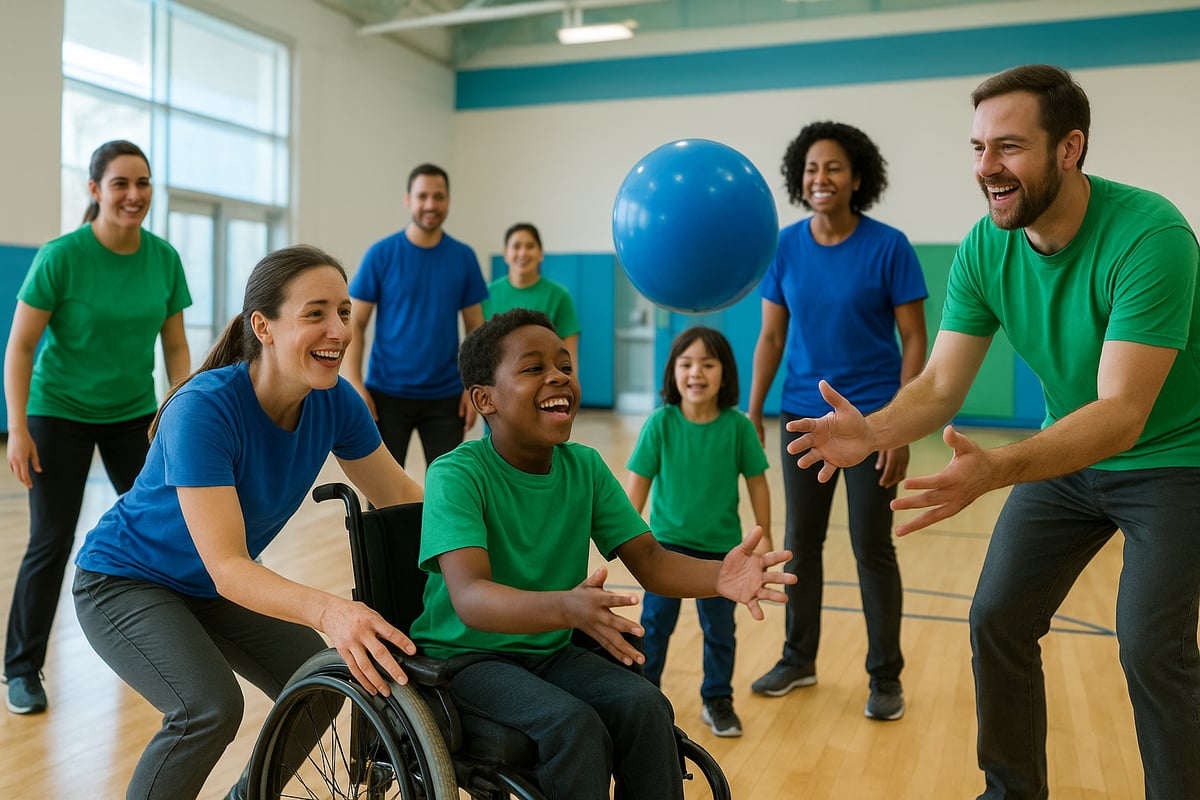
The purpose is twofold: to celebrate the professionals who guide therapeutic recreation and to showcase the benefits of leisure activities for healing and inclusion. You might see hospitals hosting adaptive sports days, or schools weaving art therapy into their schedules. These events make it clear how recreation can open doors for everyone.
Participation is broad and inclusive. Here’s who gets involved:
- Recreation therapists and allied health professionals
- Hospitals, schools, and community centers
- Individuals with disabilities and their families
- Advocates and caregivers
Typical activities include educational campaigns, community events, and appreciation efforts. For more ideas and resources, check out the National Therapeutic Recreation Month 2026 page.
Did you know 60% of Americans take part in some kind of outdoor recreation, according to the Physical Activity Council? That statistic shows just how widespread and valued recreation is in our society.
Ultimately, therapeutic recreation month helps everyone understand the value of these services, inspiring support and engagement across communities.
The History and Evolution of Therapeutic Recreation Month
Ever wondered how therapeutic recreation month became the national celebration it is today? Its journey is a fascinating story of compassion, innovation, and advocacy. Let’s look at how it all began and how it grew into a movement that changes lives every February.

Early Origins and Development
The roots of therapeutic recreation month reach back to the 1850s, when Florence Nightingale recognized the healing power of recreation for wounded soldiers. Even earlier, ancient civilizations like Egypt, Greece, and Rome organized games and leisure activities as part of daily life, setting the stage for modern practices.
Fast forward to industrial America, when urbanization made the need for public play spaces clear. Boston opened its first playground in 1885, marking a pivotal moment. These early efforts laid the foundation for what would eventually become therapeutic recreation month, focusing on the connection between leisure and well-being.
Professionalization and Recognition
The professional era of therapeutic recreation month began in the 1940s and 1950s, as the Red Cross brought recreation workers into hospitals during World War II. After the war, programs expanded to VA hospitals, psychiatric facilities, and schools for children with special needs.
The 1960s saw the creation of the National Therapeutic Recreation Society (NTRS), which advanced the field. In 1984, the American Therapeutic Recreation Association (ATRA) formed, helping shift the observance from a week to a full month in February. Organizations like ATRA and the VA Recreation Therapy Services have played key roles in advocacy and education for therapists.
This evolution shows how therapeutic recreation month has grown alongside greater recognition of recreation as a powerful tool in rehabilitation and community inclusion.
The Benefits of Therapeutic Recreation: Why It Matters
Ever wondered why therapeutic recreation month gets so much attention? The benefits go far beyond just having fun. This observance highlights life-changing advantages for people of all ages, especially those facing health challenges. If you're curious about the full scope, the Recreational therapy services overview provides a deeper dive into how these programs make a real difference.

Unlocking Physical Benefits
Therapeutic recreation helps people build strength, improve balance, and boost mobility. Activities like adaptive yoga, swimming, or team sports encourage movement in a supportive way.
These programs are designed so everyone can join, regardless of ability. Over time, participants notice greater flexibility and stamina, making daily life easier and more enjoyable.
Enhancing Mind & Mood
Did you know that solving puzzles, painting, or playing music can actually sharpen your mind? Therapeutic recreation also supports memory, focus, and problem-solving skills.
On the emotional side, engaging in creative and social activities helps reduce stress and anxiety. People often report feeling less isolated and more connected after joining group sessions.
Fostering Social Connection & Independence
One of the best parts of therapeutic recreation month is seeing how these activities bring people together. Group projects and games build communication skills and friendships.
For those living with disabilities or illnesses, these programs also teach everyday skills. This support boosts confidence and helps individuals achieve greater independence.
Real-Life Impact & Why It Matters
Consider a veteran with PTSD who tries art therapy as part of their rehab. Over time, they regain confidence and find new ways to express themselves. Statistics show that 58 million Americans enjoy running each year, proving recreational activities are both popular and accessible.
Therapeutic recreation month reminds us that these approaches are evidence-based and truly holistic, improving quality of life for so many.
Ways to Celebrate and Get Involved in Therapeutic Recreation Month 2026
Ready to make an impact during therapeutic recreation month? Whether you are a professional, family member, or community leader, there are plenty of ways to join in and show your support. Let’s look at five easy steps you can take to celebrate and get involved.
Step 1: Show Appreciation for Recreation Therapists
Start by recognizing the professionals who make therapeutic recreation month possible. Write thank-you notes, share small gifts, or host a staff appreciation lunch. If you want to learn more about their roles, check out the Meet our recreational therapists page.
A simple gesture can go a long way in boosting morale and showing gratitude for their dedication.
Step 2: Raise Awareness in Your Community
Spread the word about therapeutic recreation month by organizing workshops or webinars that highlight its benefits. Team up with local organizations to reach more people.
Consider hosting a panel discussion or an open house at your facility to answer questions and share resources.
Step 3: Organize Inclusive Activities and Events
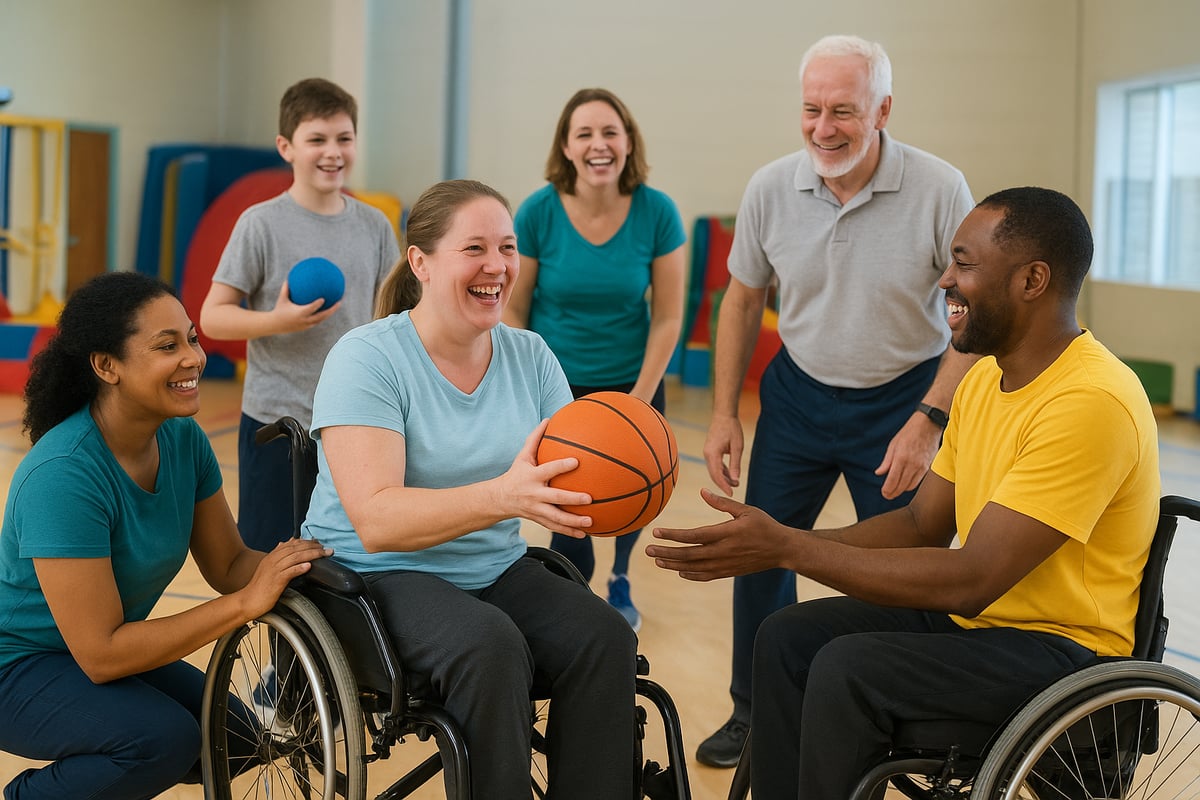
Plan fun, accessible events like adaptive sports tournaments, art contests, or group music sessions. Make sure everyone, regardless of ability, has a chance to participate.
Schools, community centers, and care facilities can all get involved by offering inclusive programs during the month.
Step 4: Share Stories and Advocate
Use social media to share real success stories and facts about therapeutic recreation month. Personal stories can inspire others and attract new supporters.
You can also partner with advocacy groups to promote policies that support recreational therapy services.
Step 5: Participate in National and Local Campaigns
Join in national events led by organizations like ATRA or NARA. Use hashtags and online campaigns to help raise visibility for therapeutic recreation month.
For example, your local community center could host a board game night or an outdoor adventure event. Did you know Americans spend $120 billion every year on outdoor recreation equipment? Your participation helps highlight the importance of recreation for everyone.
Incorporating Therapeutic Recreation in Rehabilitation and Daily Life
Bringing the spirit of therapeutic recreation month into rehabilitation and daily life can make a world of difference. You might be surprised at how a few simple activities can improve recovery, boost mood, and build stronger connections.
Therapeutic recreation is often part of formal rehab programs. Therapists use outdoor walks, art projects, group sports, music, and even nutrition-based games to help people regain strength, confidence, and independence. This holistic approach often blends with occupational therapy and daily life, ensuring that every activity supports meaningful goals.
At home, families and caregivers can join in too. Why not try gardening, board games, or group walks together? These activities are fun and help maintain progress outside of therapy sessions.
Schools and youth programs also have a big role. Adaptive PE classes, creative arts, and social skills groups help students of all abilities participate and thrive. Community centers often run inclusive classes or events, making sure everyone feels welcome.
Take gardening therapy for seniors, for example. It encourages movement, sparks conversation, and lifts spirits. Every day offers a new chance to bring the ideas from therapeutic recreation month into your routine, creating a more inclusive and supportive environment for everyone.
Fun Facts and Statistics About Therapeutic Recreation
Ever wonder just how big of an impact recreation has on our lives? When you look at the numbers, therapeutic recreation month comes alive with some eye-opening facts. From cycling to running, the stats reveal just how much people value leisure, movement, and connection.
| Fun Fact | Statistic or Insight |
|---|---|
| Outdoor Recreation Participation | 60% of Americans participated in 2018 |
| Cycling Goods Revenue | $51 billion per year |
| Most Popular Activity | Running, with 58 million US participants |
| Global Cycling Leader | China, with over half a billion bicycles |
| US Outdoor Recreation Spending | $120 billion annually |
Check out how adaptive cycling programs are making a difference for people of all abilities. These programs, highlighted in Therapeutic Recreation for Adults with Unique Needs, show how inclusive activities foster both independence and joy, which is at the heart of therapeutic recreation month.
Sharing these statistics during therapeutic recreation month is a great way to spark conversations, raise awareness, and invite more people to join in the fun. Numbers like these prove that recreation is not just a pastime—it is a powerful tool for building healthier, more connected communities.