Have you ever wondered how recreational therapists determine exactly what activities and interventions will benefit their clients most? That's where therapeutic recreation assessment comes in. This crucial first step in the treatment process helps professionals understand your unique needs, interests, and capabilities so they can design a program that truly makes a difference in your life. Whether you're seeking support for yourself or a loved one, understanding how this assessment works can help you feel more prepared and empowered throughout your therapeutic journey.
What Makes Therapeutic Recreation Assessment Different
Unlike traditional medical assessments that focus primarily on deficits and limitations, a therapeutic recreation assessment takes a more holistic view. This approach examines not just what challenges you face, but also your strengths, interests, and aspirations.
Research shows that person-centered approaches to assessment in therapeutic recreation lead to better outcomes because they emphasize what you can do, not just what you can't. When therapists at Hansel Union Consulting, PLLC conduct these assessments, they're looking at the complete picture of who you are.
The Core Components Being Evaluated
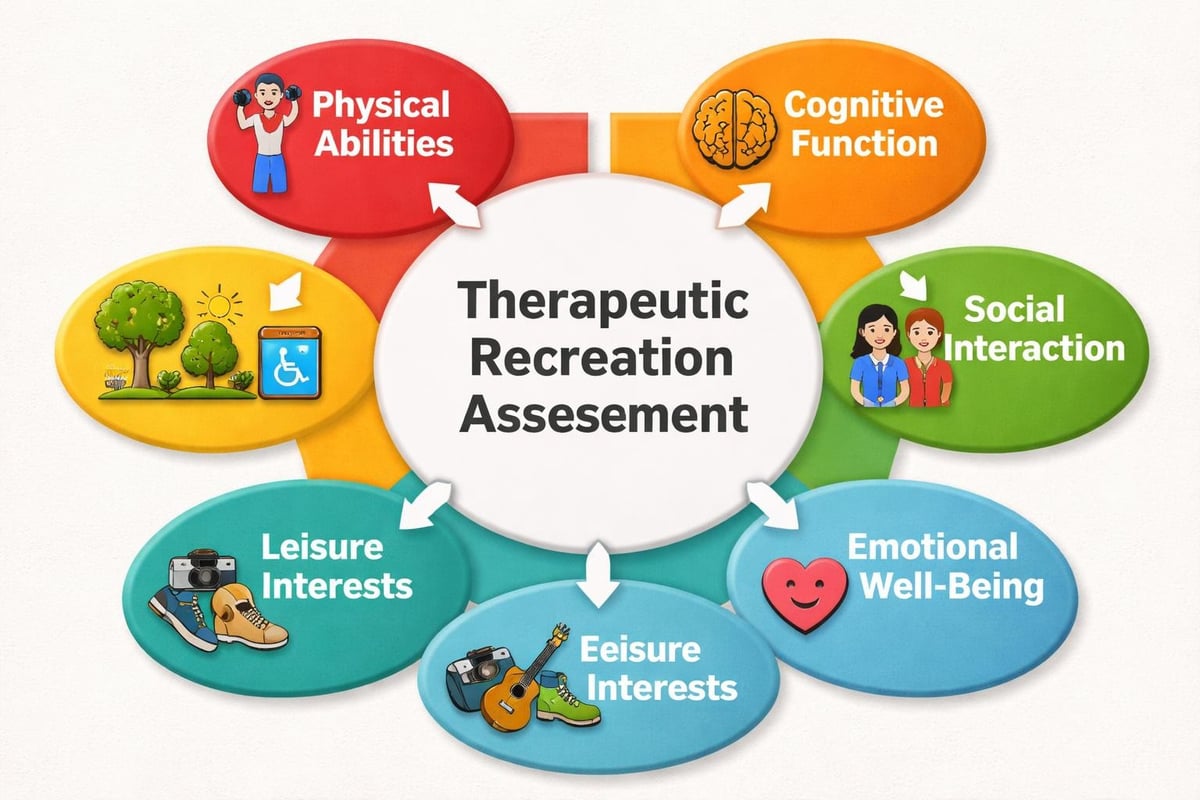
A comprehensive therapeutic recreation assessment typically examines several key areas:
- Physical abilities and mobility limitations
- Cognitive functioning and decision-making skills
- Social interaction patterns and communication styles
- Emotional well-being and coping mechanisms
- Leisure interests and past recreational activities
- Environmental factors affecting participation
- Support systems and community resources
Each of these elements helps paint a detailed portrait of your current situation and future possibilities.
Tools and Methods Used in Assessment
You might be curious about what actually happens during a therapeutic recreation assessment. The process typically involves multiple methods to gather accurate information about your needs and preferences.
Standardized Assessment Instruments
Professional therapists rely on validated assessment tools that have been tested for reliability and accuracy. These standardized instruments provide consistent measurements across different clients and settings, making it easier to track progress over time.
| Assessment Type | What It Measures | Best Used For |
|---|---|---|
| Functional assessments | Daily living skills, mobility | Physical rehabilitation |
| Leisure interest inventories | Activity preferences, hobbies | Program planning |
| Quality of life scales | Overall well-being, satisfaction | Outcome measurement |
| Behavioral observations | Social skills, participation | Real-time evaluation |
The BANDI-RT assessment, for example, has proven particularly effective in long-term care settings for identifying client needs and interests.
Clinical Interviews and Observations
Beyond standardized tests, therapists conduct detailed conversations with you and your family members. These interviews provide context that numbers alone can't capture. What activities brought you joy in the past? What goals matter most to you now? What barriers do you perceive in your daily life?
Observational assessments are equally valuable. Watching how you interact during recreational activities reveals information that might not emerge in formal testing situations.
Why Assessment Accuracy Matters
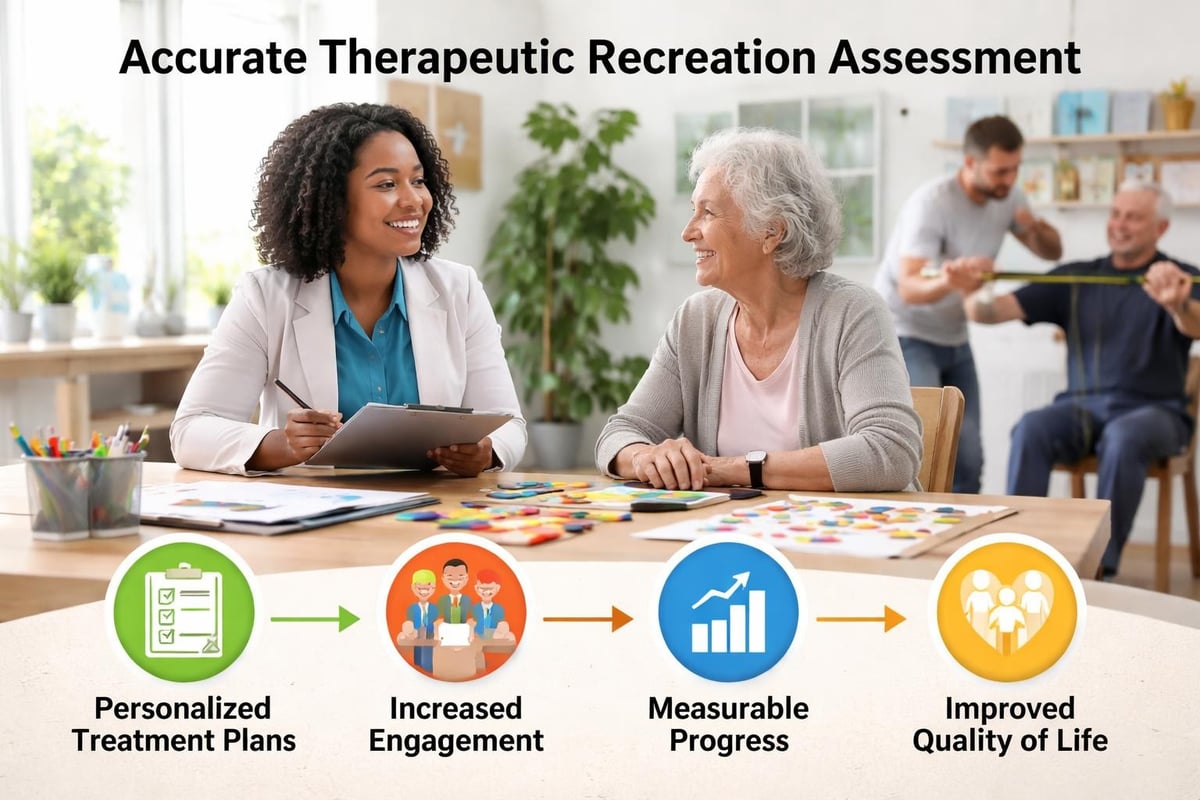
Getting the therapeutic recreation assessment right from the start affects everything that follows. Research on current assessment practices emphasizes that using reliable and valid tools directly impacts treatment effectiveness.
Think about it this way: if the assessment misses key information about your interests or abilities, the resulting treatment plan won't address your actual needs. You might end up participating in activities that don't engage you or that are too challenging or too simple.
The Connection to Treatment Planning
Once your assessment is complete, it becomes the foundation for your individualized treatment plan. The therapist uses assessment data to:
- Set realistic, measurable goals aligned with your priorities
- Select appropriate interventions matching your ability level
- Identify resources you'll need for success
- Establish baseline measurements for tracking improvement
- Anticipate potential obstacles and plan solutions
This systematic approach ensures that every aspect of your comprehensive therapeutic services is tailored specifically to you.
The Role of Ongoing Assessment
Here's something many people don't realize: therapeutic recreation assessment isn't just a one-time event. Effective therapy involves continuous evaluation and adjustment.
Your therapist will regularly reassess your progress to see if interventions are working as expected. Maybe you've developed new skills that open up different recreational opportunities. Perhaps your interests have evolved, or new challenges have emerged that require different strategies.
Documentation and Communication
Proper documentation of assessment findings serves multiple purposes. It creates a clear record of your starting point, facilitates communication among your healthcare team, and provides evidence for insurance coverage. When assessments are conducted systematically, they also contribute to the broader understanding of what works in therapeutic recreation.
For individuals receiving multiple types of therapy through providers like Hansel Union Consulting, PLLC, coordinated assessments ensure that recreational therapy complements your occupational, speech, or behavioral interventions.
Preparing for Your Assessment
Wondering how you can make the most of your therapeutic recreation assessment? A little preparation goes a long way toward getting accurate, useful results.
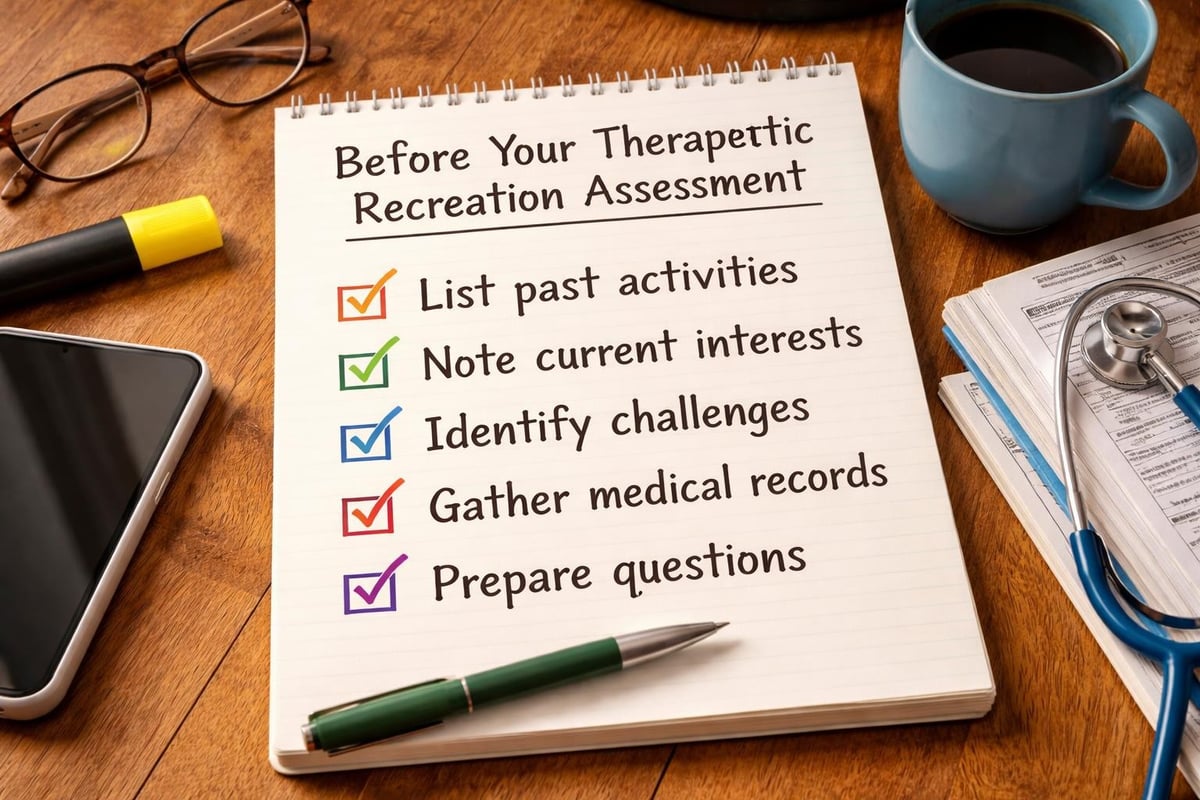
Before the assessment:
- List activities you've enjoyed in the past
- Note any current hobbies or interests
- Identify specific challenges you're facing
- Bring relevant medical records or previous evaluations
- Write down questions you want to ask
During the assessment:
- Answer questions honestly and completely
- Ask for clarification if you don't understand something
- Share your goals and priorities openly
- Mention any concerns about proposed activities
The more information you provide, the better your therapist can understand your unique situation and design a program that truly fits your needs.
Cultural Considerations in Assessment
Your cultural background, values, and traditions significantly influence what recreation means to you. A thorough therapeutic recreation assessment considers these cultural factors to ensure recommendations feel meaningful and appropriate.
What constitutes leisure varies widely across different cultures. Group activities versus individual pursuits, competitive versus cooperative recreation, indoor versus outdoor preferences-these aren't random choices but often reflect deep cultural values. Therapists who understand this create more relevant, engaging programs.
Therapeutic recreation assessment serves as the critical foundation for personalized care that addresses your whole person, not just your diagnosis. When conducted thoughtfully with validated tools and a person-centered approach, these assessments identify the path toward greater independence, engagement, and quality of life. If you or a loved one could benefit from comprehensive therapeutic services that begin with thorough assessment and lead to meaningful outcomes, Hansel Union Consulting, PLLC has been supporting individuals across Hampton Roads and Virginia since 2010 with personalized, evidence-based care.