
You've scheduled your first speech therapy appointment, or maybe you're looking to improve outcomes from ongoing treatment. Either way, understanding what happens during an slp session can transform your experience from passive participation to active progress. Whether you're a parent advocating for your child, an adult seeking communication support, or a caregiver coordinating care, knowing how to structure and maximize therapy time makes all the difference in achieving meaningful results.
What Actually Happens During an SLP Session
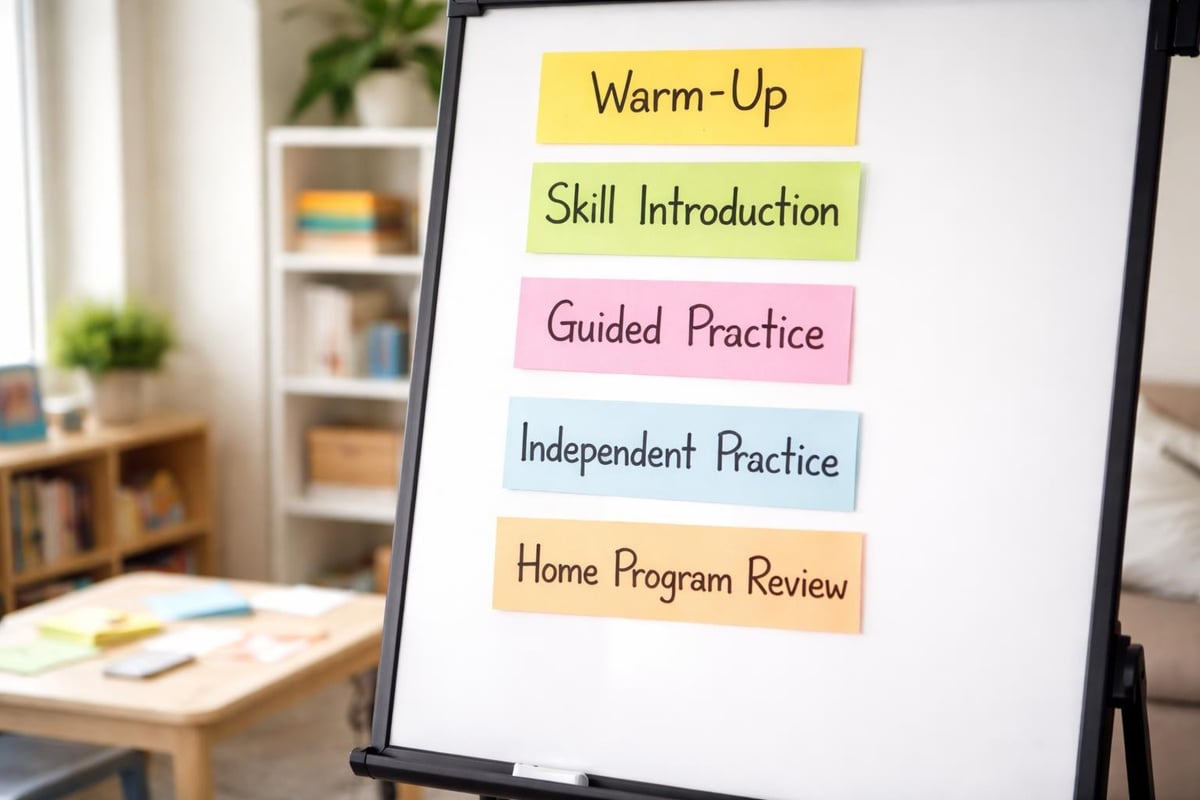
Let's break down the typical components you'll encounter. Most sessions follow a predictable rhythm, and that's actually a good thing. Research shows that routine enhances both clinician efficiency and client engagement, creating an environment where learning flourishes.
A well-structured slp session typically begins with a warm-up activity. This isn't just small talk; it's strategically designed to ease you or your loved one into the therapeutic mindset. The speech-language pathologist might review homework from the previous week or check in about recent communication experiences.
The Working Phase
Here's where the real magic happens. The middle portion of your slp session focuses on targeted activities aligned with your specific goals. This might include:
- Articulation exercises using specific sounds or words
- Language activities building vocabulary and sentence structure
- Fluency techniques for managing stuttering
- Voice therapy addressing pitch, volume, or quality
- Cognitive-communication tasks for memory or problem-solving
The activities aren't random. Your therapist has carefully selected them based on assessment results and your individualized treatment plan. You'll notice that effective speech therapy techniques often incorporate multisensory approaches, engaging visual, auditory, and kinesthetic learning pathways simultaneously.
How Long Should Sessions Last and Why It Matters
Duration varies based on several factors: age, attention span, complexity of goals, and insurance coverage. Most individual sessions range from 30 to 60 minutes.
| Session Length | Best For | Typical Activities |
|---|---|---|
| 30 minutes | Young children, maintenance therapy | Focused skill practice, limited goals |
| 45 minutes | School-age children, moderate needs | Multiple activities, comprehensive practice |
| 60 minutes | Adults, complex cases | In-depth work, strategy development |
Billing practices also influence session structure. Understanding timed versus untimed codes helps you comprehend why your therapist tracks time carefully and documents specific intervals. This isn't bureaucracy for its own sake; it's ensuring proper reimbursement so you can continue accessing needed services.
Individual versus Group Sessions
You might wonder whether your slp session should be one-on-one or in a group setting. Both have distinct advantages. Individual sessions offer personalized attention and customized pacing. Group sessions provide peer interaction and real-world communication practice.
The American Speech-Language-Hearing Association provides helpful guidance on group therapy considerations, particularly relevant as telepractice expands service delivery options. Group work excels for social communication goals, pragmatic language skills, and stuttering support where shared experiences reduce isolation.
Combining Service Delivery Models
Modern speech therapy isn't one-size-fits-all. Your treatment might incorporate different modes of service delivery throughout your journey. You might start with intensive individual sessions, transition to weekly maintenance, and eventually shift to consultative services where the therapist coaches teachers or family members.

Maximizing Your Session Through Active Participation
Here's something many people don't realize: your slp session extends beyond the therapy room. The most successful outcomes happen when you or your family member actively engage between appointments.
Your therapist should provide a home program. This isn't extra homework designed to frustrate you; it's essential practice that reinforces new skills. Think of it like learning a musical instrument. You wouldn't expect mastery from weekly lessons alone without daily practice.
Key strategies for home practice:
- Set a consistent time each day for practice activities
- Keep materials organized in one accessible location
- Track progress using simple charts or apps
- Celebrate small wins to maintain motivation
- Communicate challenges to your therapist promptly
Recent 2024 coding updates now include specific codes for caregiver training, reflecting the profession's recognition that family involvement directly impacts outcomes. Your therapist might dedicate portions of your slp session to teaching you techniques you'll use at home.
What Makes a Session Truly Effective
Quality matters more than quantity. A focused 30-minute slp session with clear objectives outperforms an unfocused hour every time. Look for these indicators of effective therapy:
- Specific, measurable goals you understand and track
- Data collection showing objective progress
- Functional targets applicable to real-life communication
- Regular re-evaluation adjusting approaches based on results
- Client-centered planning incorporating your priorities and preferences
Best practices in speech and language therapy emphasize motivation as crucial. Your therapist should incorporate interests and preferences, making activities engaging rather than feeling like tedious drills. For children, this might mean using favorite toys or themes. For adults, it could involve practicing scenarios directly relevant to work or social situations.

Documentation and Communication Between Sessions
Ever wonder what your therapist does after your slp session ends? Comprehensive documentation serves multiple purposes: tracking progress, justifying continued treatment to insurance, and communicating with other providers on your care team.
Don't hesitate to ask questions between sessions. Reputable practices encourage communication about concerns, schedule changes, or observations you've made at home. This ongoing dialogue helps your therapist adjust approaches and celebrate progress you're noticing in daily life.
| Documentation Type | Purpose | Your Access |
|---|---|---|
| Session notes | Track activities and responses | Available upon request |
| Progress reports | Summarize achievement toward goals | Typically quarterly |
| Discharge summaries | Document outcomes at completion | Provided automatically |
Understanding what makes an effective slp session empowers you to be an active participant in your therapeutic journey, whether you're seeking support for yourself or a loved one. If you're looking for comprehensive therapeutic services that prioritize individualized care and meaningful outcomes, Hansel Union Consulting, PLLC offers speech therapy alongside behavioral, occupational, physical, and psychological services throughout Hampton Roads and Virginia. Our team recognizes that quality therapy extends beyond the session itself, incorporating family support and collaborative care that fosters lasting progress and improved quality of life.