Have you ever wondered how play, leisure, and purposeful activities can become powerful therapeutic tools? When you're searching for "recreational therapy near me," you're likely looking for more than just entertainment. You're seeking a specialized therapeutic approach that uses recreation and leisure activities to address physical, cognitive, emotional, and social needs. Whether you're researching options for yourself or a loved one with developmental, intellectual, or neurological disabilities, understanding what recreational therapy offers can make all the difference in your care journey.
What Makes Recreational Therapy Different
Recreational therapy stands apart from traditional talk therapy or medical treatments. Think of it as using the things you enjoy doing, or want to learn to enjoy, as pathways to improvement and growth.
Certified recreational therapists design intervention programs that blend fun with function. They're not just activity coordinators. These professionals hold credentials from organizations like the National Council for Therapeutic Recreation Certification, ensuring they meet rigorous standards for assessment, planning, and implementation.
Core Components of Recreational Therapy
When you start looking into recreational therapy near me, you'll find these key elements:
- Individualized assessment to identify strengths, challenges, and interests
- Goal-oriented programming that targets specific therapeutic outcomes
- Activity-based interventions ranging from arts and sports to community integration
- Progress monitoring to track improvements and adjust approaches
- Documentation supporting overall treatment plans
The beauty of this approach? It doesn't feel like therapy. You're engaging in activities that spark joy while simultaneously working toward meaningful health outcomes.
The Science Behind Play as Medicine
Research continues to validate what recreational therapists have known for decades. Studies on recreational therapy programs demonstrate measurable improvements in mobility, particularly among older adults in long-term care settings.
But the benefits extend far beyond physical movement. According to research published in the American Journal of Recreation Therapy, these interventions positively impact caregiver outcomes in brain injury rehabilitation, reducing stress and improving family dynamics.
| Therapeutic Domain | Example Activities | Potential Outcomes |
|---|---|---|
| Physical | Adaptive sports, yoga, swimming | Improved strength, coordination, endurance |
| Cognitive | Memory games, puzzles, strategy activities | Enhanced problem-solving, attention, recall |
| Emotional | Art therapy, music, journaling | Better mood regulation, self-expression |
| Social | Group outings, team sports, clubs | Increased communication, relationships, confidence |
Who Benefits Most
Recreational therapy serves diverse populations. You might be seeking these services for someone with:
- Autism spectrum disorder
- Cerebral palsy
- Traumatic brain injury
- Intellectual disabilities
- Mental health conditions
- Substance use disorders
In fact, systematic reviews on recreational therapy have examined its effectiveness for substance use disorders, highlighting promising evidence while identifying areas for continued research.
Finding Quality Recreational Therapy Near Me
So you're ready to search for "recreational therapy near me." What should you look for? The process can feel overwhelming, but breaking it down into manageable steps helps.
Certification and Credentials Matter
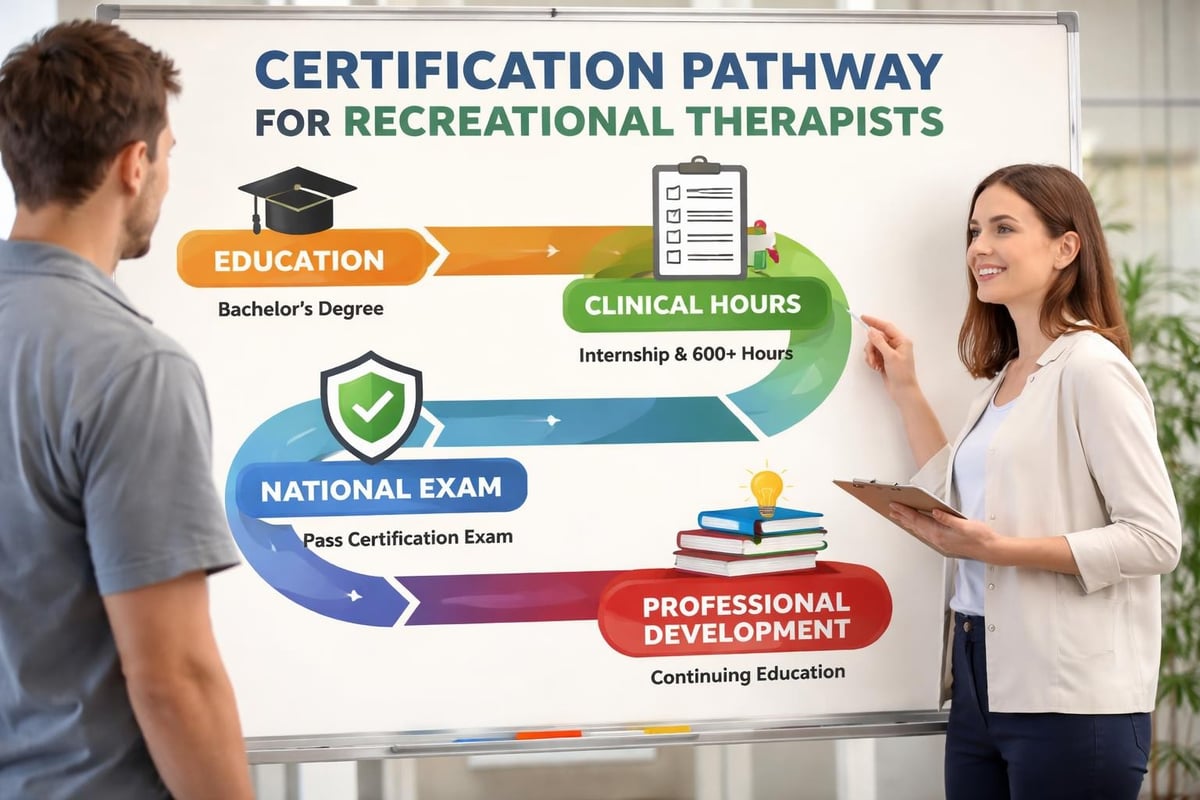
Start by verifying credentials. Look for the CTRS designation (Certified Therapeutic Recreation Specialist). This certification ensures the therapist has completed required education, clinical training, and passed national examinations.
Professional organizations like the American Therapeutic Recreation Association maintain directories and resources that can guide your search. These associations also advocate for quality standards and ongoing professional development.
Questions to Ask During Your Search
When you contact potential providers, come prepared:
- What are your therapist's specific qualifications and certifications?
- What populations do you primarily serve?
- How do you develop individualized treatment plans?
- What types of activities and interventions do you offer?
- How do you measure progress and communicate with families?
- Do you accept insurance or offer payment plans?
Don't hesitate to ask for references or testimonials. Quality providers welcome these conversations and understand you're making important decisions about care.
Integration with Comprehensive Therapeutic Services
Recreational therapy rarely stands alone. The most effective outcomes happen when it's part of a coordinated care approach.
Think about how different therapies complement each other. While occupational therapy might focus on daily living skills, recreational therapy addresses leisure skills and community participation. Physical therapy improves mobility, while recreational therapy applies those improvements in enjoyable, real-world contexts.
The Hampton Roads Advantage
If you're in the Hampton Roads or broader Virginia area, you have access to providers who understand regional resources and community opportunities. Local knowledge matters when therapists connect you with adaptive recreation programs, accessible parks, and inclusive community events.
The comprehensive approach offered by established therapeutic service providers ensures continuity. Your recreational therapist collaborates with speech, behavioral, and psychological therapists, creating a unified strategy toward your goals.
What to Expect in Sessions
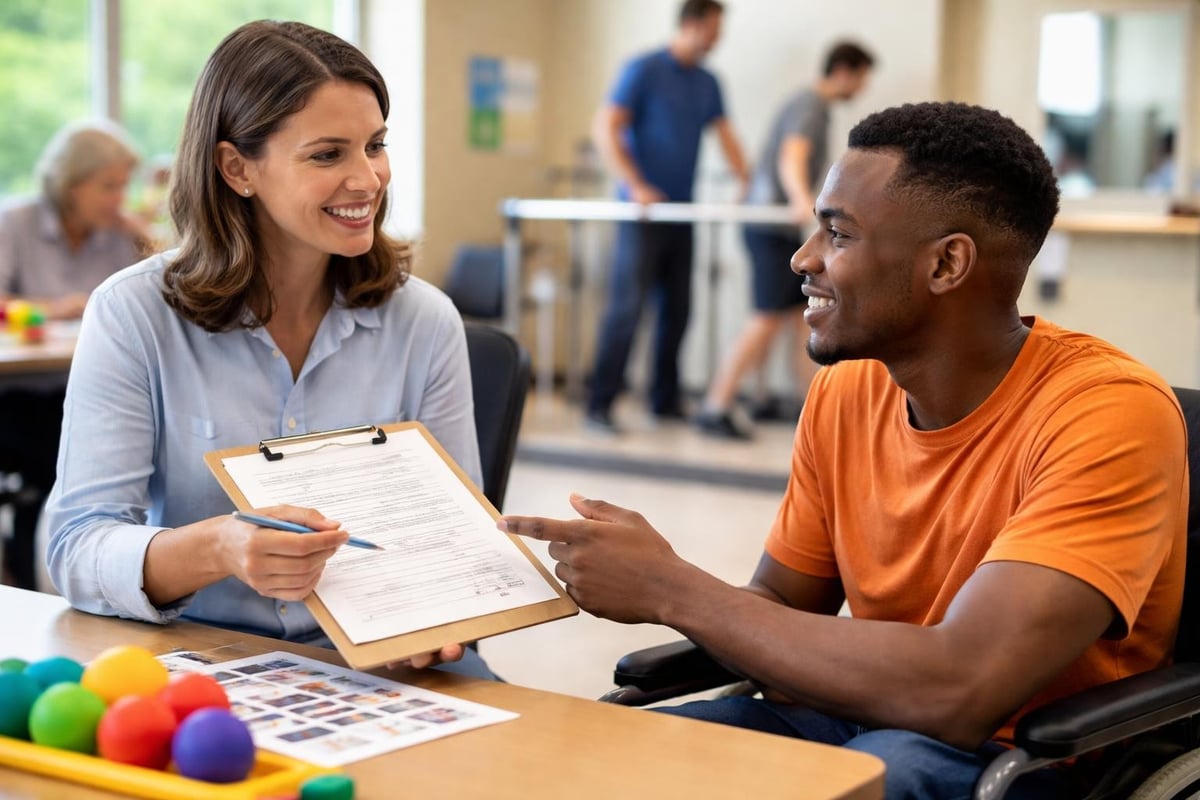
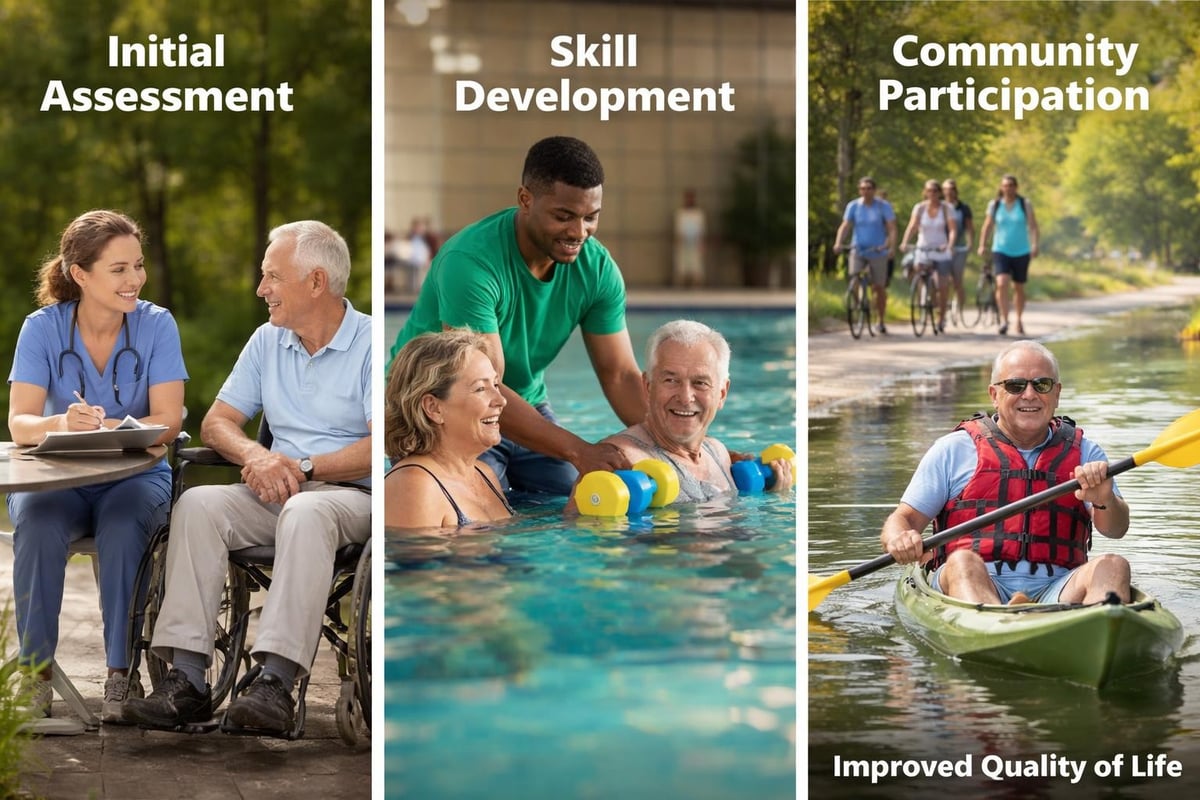
Your first recreational therapy session typically involves assessment. The therapist will talk with you about interests, past experiences with recreation, current abilities, and what you hope to achieve.
From there, sessions might include:
- Community outings to practice social skills and independence
- Adapted sports modified to accommodate physical or cognitive needs
- Creative arts like painting, music, or drama
- Leisure education teaching new hobbies or interests
- Social groups facilitating peer connections
| Session Type | Frequency | Duration | Setting |
|---|---|---|---|
| Individual | 1-3x weekly | 30-60 minutes | Clinic, community, home |
| Group | Weekly | 60-90 minutes | Clinic, community center |
| Community Integration | Bi-weekly | 2-4 hours | Various community locations |
Progress happens gradually. You won't master new skills overnight, but consistent participation leads to meaningful improvements.
Measuring Success Beyond Clinical Outcomes
How do you know recreational therapy is working? Sure, clinical measures matter. Therapists track improvements in specific skills, behaviors, and functional abilities.
But success shows up in everyday moments too. Maybe it's the first time someone initiates conversation during a group activity. Perhaps it's choosing to participate in a community event independently. Sometimes it's simply the smile that appears during a favorite activity.
Long-term Quality of Life
The ultimate goal extends beyond immediate therapeutic objectives. Recreational therapy aims to build:
- Sustainable leisure interests that continue after formal therapy ends
- Social networks providing ongoing support and friendship
- Confidence to try new activities and face challenges
- Skills transferable to work, school, and community settings
When you're evaluating recreational therapy near me options, ask about these long-term outcomes. The best providers think beyond the treatment room, preparing you for a fuller, more engaged life.
Finding the right recreational therapy support transforms lives through meaningful activity and personalized care. Whether you're seeking services for developmental disabilities, neurological conditions, or other therapeutic needs, the combination of certified expertise and individualized attention makes all the difference. Since 2010, Hansel Union Consulting, PLLC has provided comprehensive therapeutic services including recreational therapy across Hampton Roads and Virginia, supporting individuals and families through personalized, coordinated care that fosters both immediate progress and long-term quality of life.