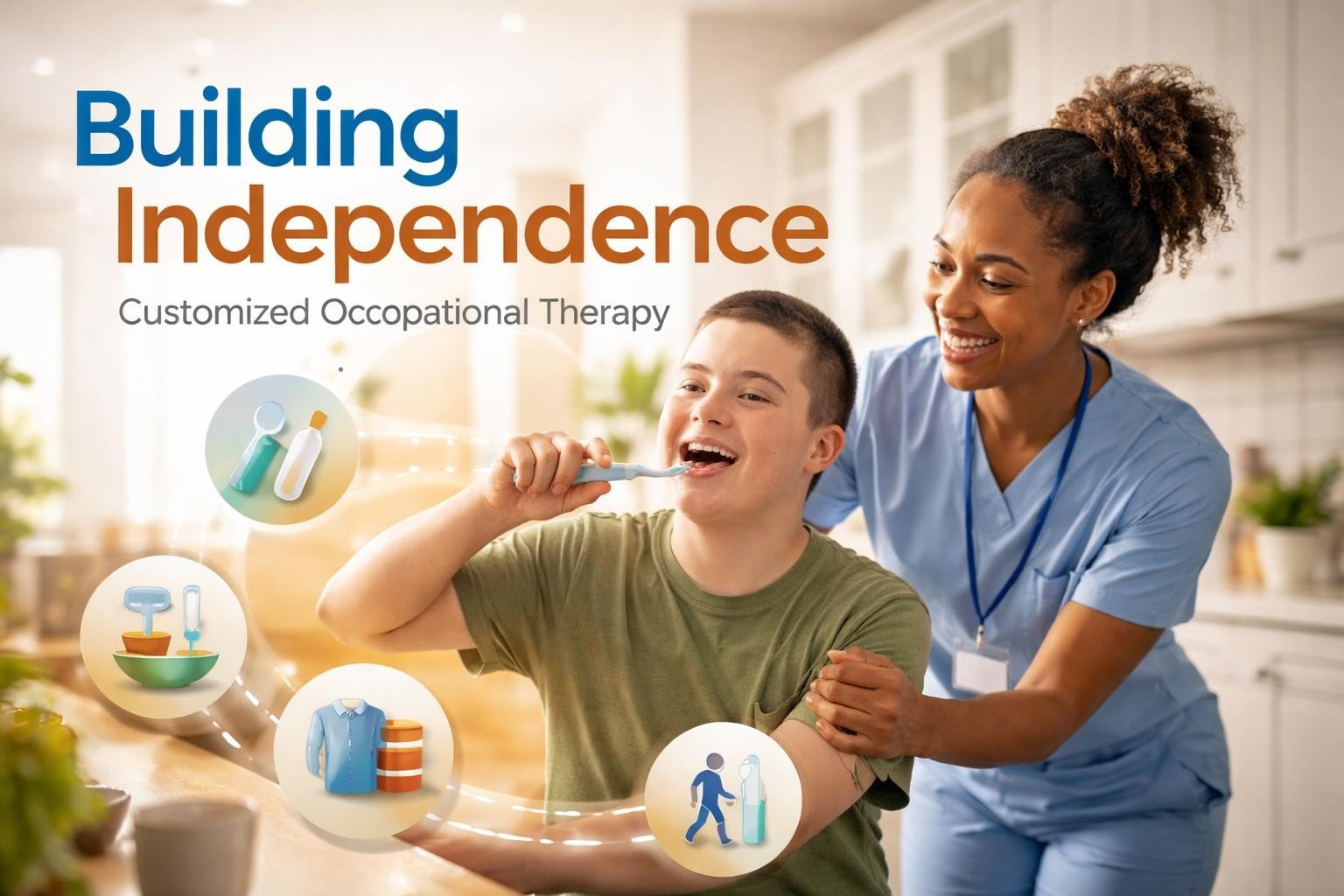
Have you ever wondered how people regain the ability to perform everyday tasks after an injury or diagnosis? An occupational therapy program focuses on helping individuals develop, recover, or maintain the skills needed for daily living and working. These programs are especially valuable for people with developmental, intellectual, or neurological disabilities who need support to reach their full potential. Whether you're exploring options for yourself or a loved one, understanding what an occupational therapy program offers can make a significant difference in your decision-making process.
What Is an Occupational Therapy Program?
An occupational therapy program is a structured approach to helping people participate in the activities that matter most to them. But here's the thing: "occupation" doesn't just mean your job. It refers to any meaningful activity, from getting dressed in the morning to cooking a meal or playing with your children.
These programs work through personalized assessments and interventions. A qualified therapist evaluates your specific challenges and creates a treatment plan tailored to your goals. The American Occupational Therapy Foundation supports research that continually improves these evidence-based approaches.
Key components include:
- Comprehensive evaluations of physical, cognitive, and sensory abilities
- Customized intervention strategies
- Home and environment modifications
- Adaptive equipment recommendations
- Progress monitoring and plan adjustments

Who Benefits From These Programs?
You might be surprised at the wide range of people who can benefit from an occupational therapy program. While children with developmental delays are common participants, adults recovering from strokes, individuals with autism spectrum disorder, and elderly people experiencing age-related challenges all find value in these services.
At Hansel Union Consulting, PLLC, we've seen remarkable progress in individuals across all age groups. Our occupational therapy services support people throughout Hampton Roads and Virginia who face various challenges.
Common Conditions Addressed
| Condition Category | Specific Examples | Primary Goals |
|---|---|---|
| Developmental | Autism, ADHD, Cerebral Palsy | Build social skills, improve coordination |
| Neurological | Stroke, TBI, MS | Restore function, adapt to limitations |
| Physical | Arthritis, Amputation, Burns | Increase mobility, manage pain |
| Mental Health | Depression, Anxiety, PTSD | Develop coping strategies, establish routines |
The World Federation of Occupational Therapists emphasizes that these programs should be culturally sensitive and individually designed, reflecting each person's unique circumstances and goals.
What Happens During Treatment Sessions?
Let me walk you through what you can actually expect. Your first session typically involves a detailed evaluation. Your therapist asks questions about your daily routine, challenges you face, and what you hope to achieve. They might observe you performing certain tasks or use standardized assessments to measure your current abilities.
From there, sessions become highly practical. You're not just talking about problems; you're actively working on solutions. A child might practice handwriting or using scissors. An adult recovering from a stroke might work on dressing techniques or meal preparation.
Treatment methods often include:
- Fine motor skill development through targeted exercises
- Sensory integration activities
- Cognitive rehabilitation strategies
- Environmental modification planning
- Assistive technology training
Evidence-Based Practice in Action
Modern occupational therapy programs rely heavily on research-backed methods. Resources like Shenandoah University’s evidence-based practice guide help therapists stay current with the latest effective interventions.
Your therapist doesn't just guess what might work. They use proven techniques, measure your progress objectively, and adjust approaches based on your response. This scientific foundation ensures you're getting the most effective care possible.

How Long Does an Occupational Therapy Program Last?
Here's a question we hear constantly: how long will this take? The honest answer is that it varies significantly based on your individual needs and goals. Some people benefit from short-term intensive programs lasting a few weeks, while others need ongoing support for months or even years.
Your therapist establishes both short-term and long-term goals with you. Short-term goals might focus on specific skills, like buttoning a shirt independently within four weeks. Long-term goals address broader outcomes, such as returning to work or living independently.
Progress isn't always linear, and that's perfectly normal. You might experience rapid improvement in some areas while others take more time. Regular reassessments help track your advancement and keep your program aligned with your evolving needs.
Choosing the Right Program for Your Needs
Not all occupational therapy programs are created equal, and finding the right fit matters tremendously. You want providers who understand your specific condition and have experience working with your age group. At facilities like Hansel Union Consulting, PLLC, comprehensive therapeutic services mean you can access multiple types of support under one roof.
Consider these factors when evaluating programs:
- Therapist qualifications and specializations
- Program structure and scheduling flexibility
- Insurance acceptance and payment options
- Location and accessibility
- Integration with other therapeutic services
Looking at client testimonials can provide valuable insights into real experiences and outcomes. You'll get a sense of how responsive the team is and what kind of results people achieve.
Questions to Ask Potential Providers
Don't hesitate to interview providers before committing. Ask about their experience with your specific condition, their treatment philosophy, and how they measure success. Resources like UT Tyler’s guide to credible health information can help you evaluate whether a program uses current, evidence-based approaches.

The Role of Family and Caregivers
You're not alone in this journey. An effective occupational therapy program actively involves family members and caregivers. Why? Because the skills learned in therapy sessions need to transfer to everyday life. Your therapist will likely teach you strategies to support continued progress at home.
For children, this might mean parents learning how to structure playtime to enhance sensory development. For adults, it could involve a spouse understanding how to assist with exercises or adapt the home environment. This collaborative approach, supported by resources like Brenau University’s clinical tools, maximizes the program's effectiveness.
Family involvement includes:
- Attending education sessions
- Practicing recommended activities at home
- Providing feedback on progress and challenges
- Participating in goal-setting discussions
- Learning to use adaptive equipment
Many families discover that an occupational therapy program benefits everyone. You'll gain new perspectives on abilities and limitations, develop patience, and celebrate achievements you might have once taken for granted. For those interested in early support, exploring an early intervention program can make a substantial difference in long-term outcomes.
An occupational therapy program offers personalized, evidence-based support that empowers individuals to participate more fully in daily life, regardless of the challenges they face. If you or someone you care about could benefit from skilled therapeutic intervention, Hansel Union Consulting, PLLC provides comprehensive occupational, physical, behavioral, speech, and psychological therapies tailored to your unique needs. Our experienced team has been supporting individuals across Hampton Roads and Virginia since 2010, helping them achieve greater independence and quality of life.