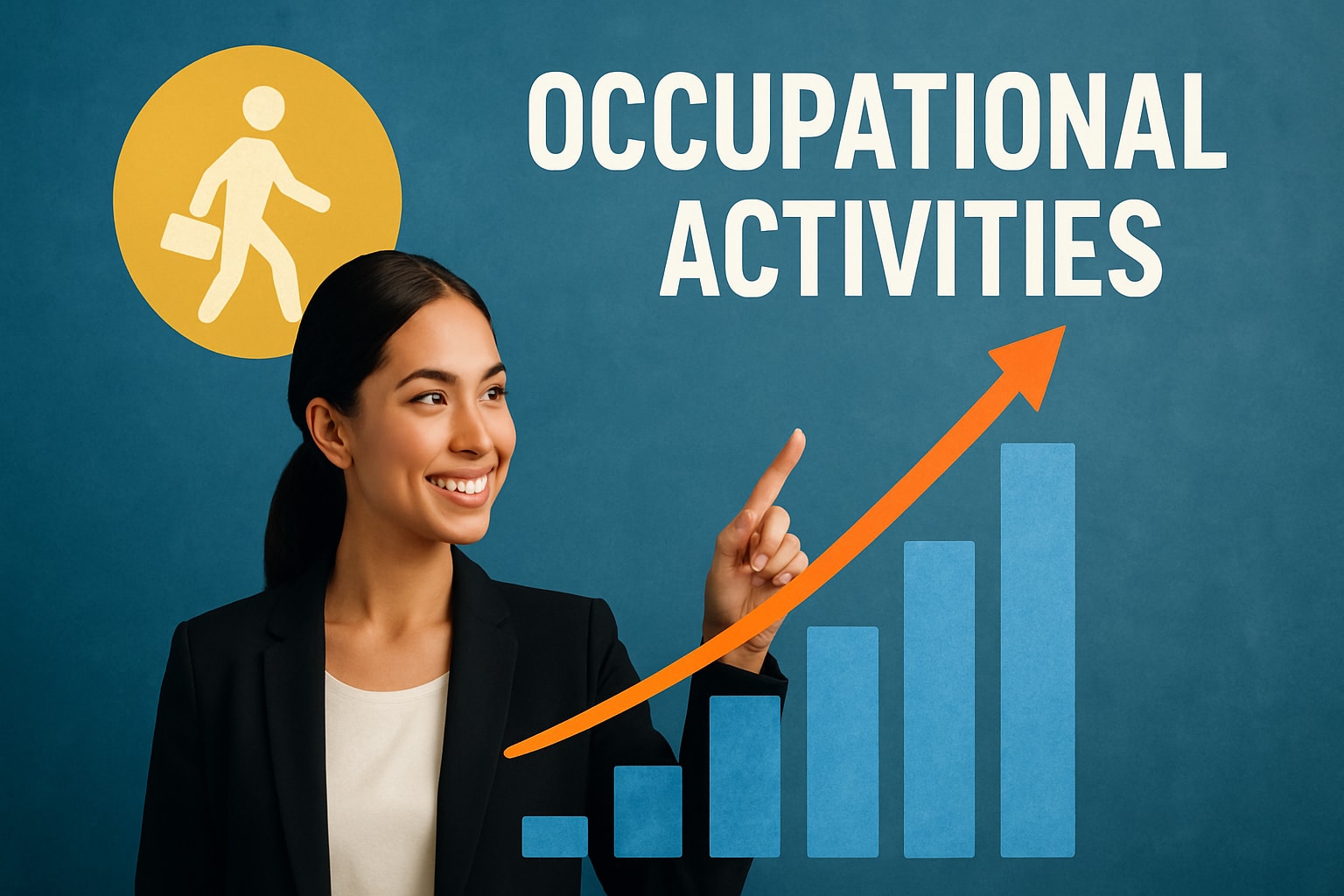
Are you ready for the workplace of 2026? The demand for dynamic and adaptable skills is rising fast, and organizations are searching for ways to keep their teams engaged and future-ready.
One proven approach is using occupational activities to help employees develop essential abilities that go far beyond daily job tasks. Yet, many companies struggle to maintain engagement and drive continuous skill growth.
That’s why this article brings you eight engaging occupational activities, each designed to boost vital skills like teamwork, communication, problem-solving, adaptability, creativity, leadership, time management, and emotional intelligence. Ready to empower your team and stay ahead of the curve? Let’s dive in.
The Importance of Occupational Activities for Workplace Skill Development
You might think of occupational activities as just another buzzword, but they are much more than extra tasks at work. Occupational activities help you grow beyond your job description, building a foundation for in-demand skills that will matter in 2026 and beyond.
When you participate in these activities, you're not only learning by doing, but also boosting your performance and job satisfaction. Did you know that research shows hands-on, interactive occupational activities can increase learning retention by up to 75%? That's a dramatic improvement compared to traditional training.
These activities are especially powerful for soft skills like communication, teamwork, and collaboration. For example, many companies have introduced regular team-based challenges and cross-functional workshops. The result? Higher engagement and measurable improvements in employee retention.
Here's a quick snapshot of the impact:
| Activity Type | Skill Improved | Reported Outcome |
|---|---|---|
| Team Challenges | Teamwork, Problem-Solving | 25% increase in collaboration |
| Communication Workshops | Communication | 40% drop in misunderstandings |
| Job Shadowing | Adaptability | Greater interdepartmental trust |
Looking ahead, the future of work is changing fast. Hybrid work models, automation, and shifting job roles mean you need to stay adaptable. By making occupational activities a regular part of your workplace, you support continuous professional development and future-proof your team. In fact, studies confirm that organizational activities fostering adaptability are essential for long-term success.

8 Engaging Occupational Activities To Boost Workplace Skills
Looking for practical ways to elevate your team's abilities for the future? This section is your guide to eight occupational activities that make a real difference in the workplace. Each activity is chosen for its relevance, engagement factor, and proven effectiveness—no matter if your team is remote, in-person, or somewhere in between. Let’s explore what makes these occupational activities essential for 2026 and how you can start using them right away.

1. Team-Based Problem-Solving Challenges
Team-based problem-solving challenges are at the heart of effective occupational activities. These experiences encourage collaboration, critical thinking, and inventive solutions. For example, escape room simulations or case study competitions help teams break down barriers and build trust. Recent workplace surveys show these activities can boost team communication by 30 percent. By working together, employees learn to value different perspectives and strengthen collective decision-making.
2. Communication Workshops and Role-Playing
Communication workshops and role-playing are among the most impactful occupational activities for improving how teams interact. Through mock presentations, feedback exercises, and conflict resolution scenarios, employees sharpen verbal, non-verbal, and digital communication skills. Research shows these workshops can reduce misunderstandings at work by up to 40 percent. They also build confidence in public speaking and active listening, making daily interactions smoother and more productive.
3. Cross-Functional Job Shadowing
Cross-functional job shadowing is a dynamic approach to occupational activities that broadens employee perspectives. By spending time in different departments—say, marketing staff shadowing operations or finance—employees develop adaptability, empathy, and a deeper understanding of business functions. This activity increases interdepartmental collaboration and helps break down organizational silos. The result is a more agile and connected workplace ready for new challenges.
4. Creative Brainstorming Sessions
Creative brainstorming sessions are powerful occupational activities for sparking innovation and encouraging risk-taking. Using techniques like mind mapping or SCAMPER, teams can generate fresh ideas in structured ideation meetings. For instance, a monthly “innovation hour” welcomes all contributions, no matter how unconventional. Companies report up to 25 percent more new project proposals after adopting these sessions. Research such as Evaluating 21st Century Skills Development highlights how interactive activities like these boost critical workplace skills.
5. Leadership Simulation Games
Leadership simulation games are engaging occupational activities that help employees practice taking charge. These interactive scenarios—ranging from business simulations to crisis management drills—allow participants to step into leadership roles and make strategic decisions. Through these experiences, employees build confidence, accountability, and foresight. Studies show these games can significantly increase leadership readiness among high-potential staff.
6. Time Management and Productivity Sprints
Time management and productivity sprints are essential occupational activities for building efficiency. Techniques like the Pomodoro method or focused “power hours” encourage employees to prioritize and complete tasks quickly. These sprints help identify and eliminate productivity blockers. Data shows that implementing productivity sprints can lead to a 20 percent improvement in task completion rates, making teams more agile and responsive.
7. Emotional Intelligence (EQ) Group Activities
EQ group activities are transformative occupational activities focused on self-awareness and empathy. These may include mindfulness sessions, empathy mapping, or reflective team discussions. Organizations that integrate EQ training report higher employee satisfaction and reduced turnover. By supporting healthier workplace relationships, these activities lay the foundation for a more harmonious and resilient team environment.
8. Adaptability and Change Management Workshops
Adaptability and change management workshops are vital occupational activities for preparing teams for future disruptions. Through simulations of organizational changes, scenario planning, and adaptability games, employees build resilience and openness to change. Companies that regularly offer these workshops experience smoother transitions during restructuring or role changes. These activities ensure your workforce remains flexible and future-ready.
Measuring the Impact of Occupational Activities
Curious about how to know if your occupational activities are truly making a difference? Start by gathering feedback through surveys, performance reviews, and informal check-ins. These tools reveal how employees feel about the activities and what real skills are growing.
Here's a quick table showing some popular KPIs and how you might track them:
| KPI | How to Measure |
|---|---|
| Skill Improvement | Pre- and post-activity assessments |
| Engagement Scores | Pulse surveys, participation rates |
| Retention Rates | HR analytics, exit interviews |
Leading organizations often pair these methods with consulting services that specialize in workplace measurement. For example, Consulting Services for Workplaces can help tailor your approach to suit your team's needs and goals.
Of course, measuring the impact of occupational activities isn't always straightforward. Intangible skills, like emotional intelligence, can be tricky to quantify. That's where combining quantitative data with qualitative stories comes in handy. Research on collective efficacy and socio-occupational well-being suggests group feedback sessions boost both self-awareness and team morale.
Regularly reviewing your strategies keeps occupational activities aligned with what your employees and your organization actually need. Stay flexible, keep listening, and you'll see the benefits grow.

Best Practices for Implementing Occupational Activities in 2026
Ready to make occupational activities a core part of your workplace? Start by securing leadership buy-in and clearly communicating the benefits to your team. When everyone understands how these activities support growth, enthusiasm follows.
Tailor occupational activities to fit team size, diversity, and whether your group is remote or in-person. Make sure to gather ongoing feedback and adapt your approach, keeping each activity fresh and relevant. Leveraging technology helps virtual teams stay connected and engaged, while tracking progress becomes much easier.
Focus on inclusivity and accessibility in your planning. For foundational guidance, explore this Occupational Therapy Overview to see how such principles support skill development. Finally, look for examples from organizations of all sizes to inspire scalable, effective rollouts that truly boost workplace skills.