Are you wondering how much does private pay speech therapy cost in 2026? With more families and adults seeking speech therapy, it’s no surprise that questions about pricing are on the rise. The truth is, costs can vary, and it’s easy to feel uncertain about what you might need to budget.
That’s why this guide is here to bring clarity. We’ll break down what you can expect to pay, explain the factors that influence rates, and help you make smart choices for your unique needs. Ready to get the answers you need? Let’s dive in.
Average Cost of Private Pay Speech Therapy in 2026
Curious about how much does private pay speech therapy cost in 2026? You are not alone. With demand for speech-language services rising, understanding current fees is more important than ever.
Across the United States, the average private pay rate for a speech therapy session ranges from $100 to $250 in 2026. These rates reflect recent industry data and may be higher than in previous years due to inflation and increased demand for specialized providers.
Session length impacts what you pay. Here is a quick comparison:
| Session Length | Typical Cost (2026) |
|---|---|
| 30 minutes | $100 – $140 |
| 45 minutes | $140 – $200 |
| 60 minutes | $180 – $250 |
Pediatric sessions often cost slightly more than adult sessions, especially when specialized expertise is required for conditions like autism or apraxia. In general, pediatric therapy may trend $10-$30 higher per session.
Regional differences are significant:
- Urban areas and coastal states report rates at the higher end.
- Rural regions or areas with more providers tend to be less expensive.
- For example, New York City and San Francisco often exceed the national average, while small towns in the Midwest may offer lower rates.
Many clinics offer package deals or annual pricing discounts, which can save you 10-20% if you pay upfront for multiple sessions. Some providers even adjust fees based on income or offer sliding scales.
Price increases since 2024-2025 are driven by a shortage of certified therapists, higher operational costs, and greater awareness of speech therapy’s benefits. For more detailed examples of specific 2026 rates, you can check out Private Pay Speech Therapy Rates 2026.
With all these variables, knowing how much does private pay speech therapy cost helps you budget, compare options, and find the right fit for your needs.
Key Factors Influencing Speech Therapy Pricing
Wondering why prices vary so much when you ask how much does private pay speech therapy cost? A lot comes down to the provider’s credentials and their level of expertise. For example, therapists who are ASHA-certified or have advanced specializations often charge higher rates. Years of experience also play a role, with seasoned professionals tending to cost more than newer clinicians.
The setting where you receive services matters too. Private practices, clinics, home visits, and teletherapy each come with their own price tags. Teletherapy might offer savings thanks to reduced overhead, while in-home sessions can cost more due to travel time and convenience. The type of session—whether it’s an initial evaluation or ongoing therapy—also impacts cost. Initial assessments are usually more expensive because they involve detailed testing and planning.

Local market conditions are another big piece of the puzzle. Urban areas with a high cost of living usually see higher prices, while rural regions may offer more affordable rates. If you’re curious about how much does private pay speech therapy cost in your area, check local listings and talk to providers. The complexity of your needs, such as therapy for autism, apraxia, or stroke recovery, can also raise the price. More intensive cases often require longer or more frequent sessions.
Technology adds another layer. Some therapies use specialized software or devices, which can increase costs. Insurance also plays a part. Private pay rates are often higher than insurance-negotiated ones, since providers must cover administrative costs and possible gaps in reimbursement. For a deeper dive into current trends and cost drivers, the Speech Therapy Market Analysis 2026-2035 provides valuable insights.
Key Pricing Factors Table
| Factor | Impact on Cost |
|---|---|
| Therapist credentials | Higher credentials = higher cost |
| Setting | Clinics, teletherapy, in-home differ |
| Location | Urban > Suburban > Rural |
| Session type | Initial eval > Follow-ups |
| Client needs | Complex cases cost more |
| Technology/equipment | Specialized tools add cost |
| Insurance vs. private pay | Private pay often higher |
Knowing these factors can help you make sense of how much does private pay speech therapy cost and plan your budget accordingly.
Types of Private Pay Speech Therapy Services
Wondering how much does private pay speech therapy cost, and what kinds of services you can choose from? Let’s break down the main options you’ll find in 2026. Each type comes with its own benefits and price points, so understanding these choices helps you match your needs and budget. For a deeper dive into the specific types of speech-language therapy services, check out this guide on types of speech-language therapy.
Individual Therapy
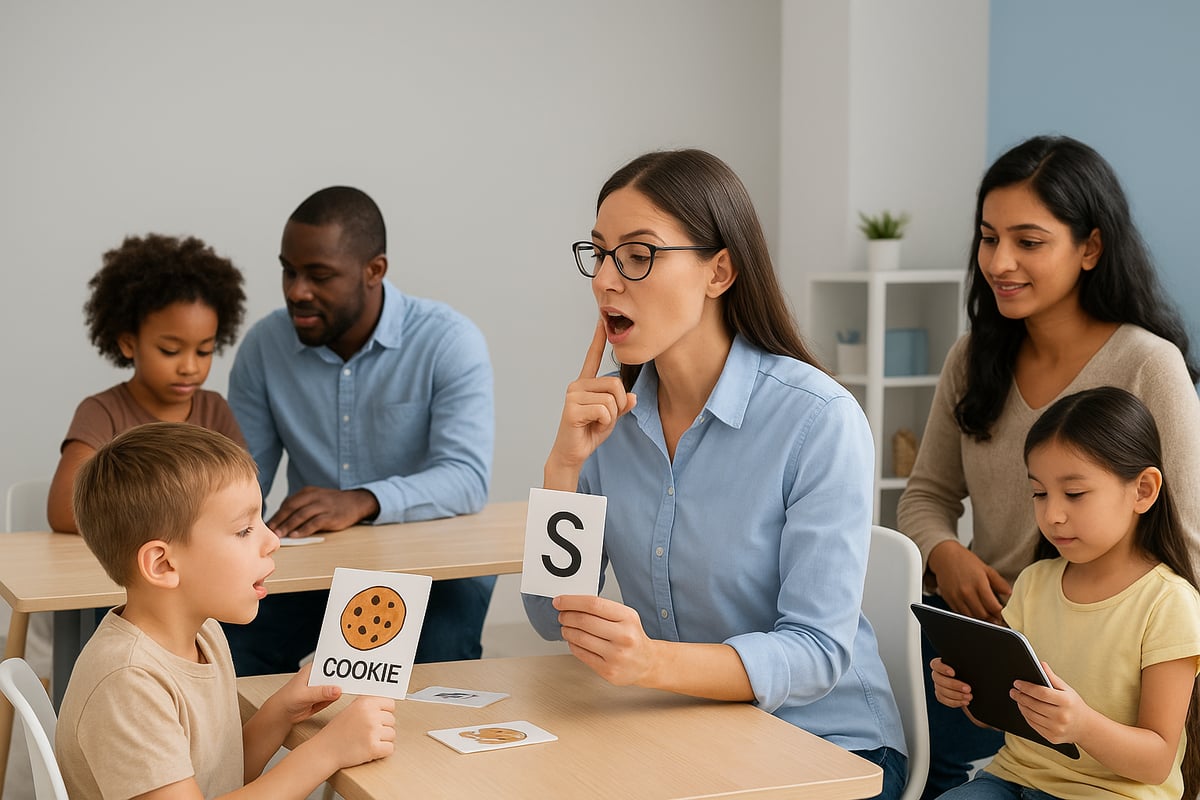
Individual therapy is the most common format when families ask how much does private pay speech therapy cost. These one-on-one sessions are tailored to your specific needs, whether it’s articulation, fluency, or voice disorders. Prices typically range from $100 to $250 per session, depending on the therapist’s expertise and session length.
You’ll get a personalized treatment plan and focused attention, which can be especially helpful for complex communication challenges.
Group Therapy
Group therapy brings together a small number of clients who share similar goals. This option is ideal for building social skills and practicing communication in real-life settings. Group sessions usually cost less per participant, with rates often between $60 and $125 each.
Therapists recommend group therapy for conditions where peer interaction supports progress, such as social communication disorders or pragmatic language needs.
Teletherapy and Online Speech Therapy
Teletherapy has gained popularity since the pandemic, offering flexible and accessible speech therapy from home. Many people ask how much does private pay speech therapy cost for online options versus in-person. Teletherapy rates are often 10–20% lower, with sessions ranging from $80 to $200.
You’ll need a reliable internet connection and device, but the convenience and potential savings make this a popular choice for busy families.
Ways to Save on Private Pay Speech Therapy
If you are wondering how much does private pay speech therapy cost, you are not alone. Many families and individuals look for ways to make therapy more affordable without compromising on quality. The good news? There are several strategies that can help you manage or even reduce your expenses.

Here are some effective ways to save:
- Package deals: Many providers offer discounts if you purchase multiple sessions upfront. Check if your therapist has bundled pricing or annual packages.
- Sliding scale fees: Some clinics adjust their rates based on your income. Do not hesitate to ask if this is an option for you.
- Community clinics and university programs: These settings often provide lower-cost services delivered by graduate students under supervision, making them a budget-friendly choice.
- HSAs and FSAs: If you have a health savings account or flexible spending account, you can use pre-tax dollars to pay for therapy, giving your budget a little breathing room.
- Nonprofit and grant-funded resources: Certain organizations offer financial aid or scholarships for those who qualify. Explore local and national options.
- Negotiating rates: Sometimes, simply asking your provider about payment plans or occasional discounts can make a difference.
- Teletherapy: Online sessions are often more affordable than in-person visits, and can save you time and travel costs. Learn more about how different speech therapy methods in 2026 can impact what you pay.
For example, families have managed to cut costs by choosing flexible scheduling, like attending group sessions or alternating in-person and teletherapy appointments. This approach gives you access to quality care while staying mindful of your budget.
No matter your circumstances, it is always worth asking providers, "How much does private pay speech therapy cost with these options?" Being proactive and informed can help you find the support you need at a price that works for you.
What to Look for in a Private Speech Therapy Provider
Choosing the right provider is one of the most important steps when figuring out how much does private pay speech therapy cost. Not all therapists are created equal, and the right match can make a world of difference in your progress and satisfaction.
When you start your search, keep these must-have qualities in mind:
- Credentials: Look for ASHA certification and state licensure. Certified therapists meet national standards and bring proven expertise.
- Experience: Does the provider have a track record with your age group or specific diagnosis? Someone specializing in pediatric apraxia or adult stroke recovery will be better equipped for those needs.
- Individualized Plans: A great therapist develops personalized goals, not one-size-fits-all worksheets. Ask how they tailor sessions to each client.
- Involvement: The best providers welcome questions and actively involve families or caregivers in the process.
- Scheduling Flexibility: Life is busy. A good provider offers options for session times, including evenings or weekends if needed.
- Transparent Pricing: You should always know what you’re paying for. Clear billing, no surprise fees, and open discussions about costs are essential.
- Proven Outcomes: Look for testimonials or outcome data that show real results.
Here’s a quick comparison table to help you evaluate potential providers:
| Quality | What to Look For | Why It Matters |
|---|---|---|
| Credentials | ASHA, state license | Ensures standard of care |
| Experience | Relevant to your needs | Specialized expertise |
| Individualized Plans | Custom treatment, frequent updates | Better progress |
| Communication | Open, clear, responsive | Trust and understanding |
| Pricing Transparency | Written estimates, no hidden fees | Budget control |
Watch for these red flags:
- Lack of clear communication about how much does private pay speech therapy cost.
- No credentials or unwillingness to show proof.
- Vague treatment plans or goals.
- Hidden charges or unclear billing.
When in doubt, consult Expert insights on speech-language therapy for more tips and perspectives on choosing the right fit and understanding pricing.
Finding the right provider takes a little effort, but it will help you feel confident about your investment and make sure your experience is worth every penny.
Navigating Payment and Insurance Options
Figuring out how much does private pay speech therapy cost can feel overwhelming, especially when insurance rules seem to change every year. If you're paying out of pocket, you'll want to know exactly what services are covered by your insurance before starting therapy.
Some families pay first, then submit claims for potential reimbursement. This usually means collecting detailed invoices and session notes from your provider. If you're using a flexible spending account, keep receipts and follow your plan's documentation requirements.
There are pros to both private pay and insurance-based therapy. Private pay gives you more flexibility and choice, while insurance may help with costs but can limit session types or frequency. For 2026, it’s smart to stay updated on changes in coverage, such as those outlined in the Medicare 2026 Fee Schedule Updates, which could affect reimbursement rates for speech therapy.
If you need help with costs, ask about sliding scale fees, payment plans, or check for local grants and nonprofit resources. Taking time to understand your options now can save you money and stress later.