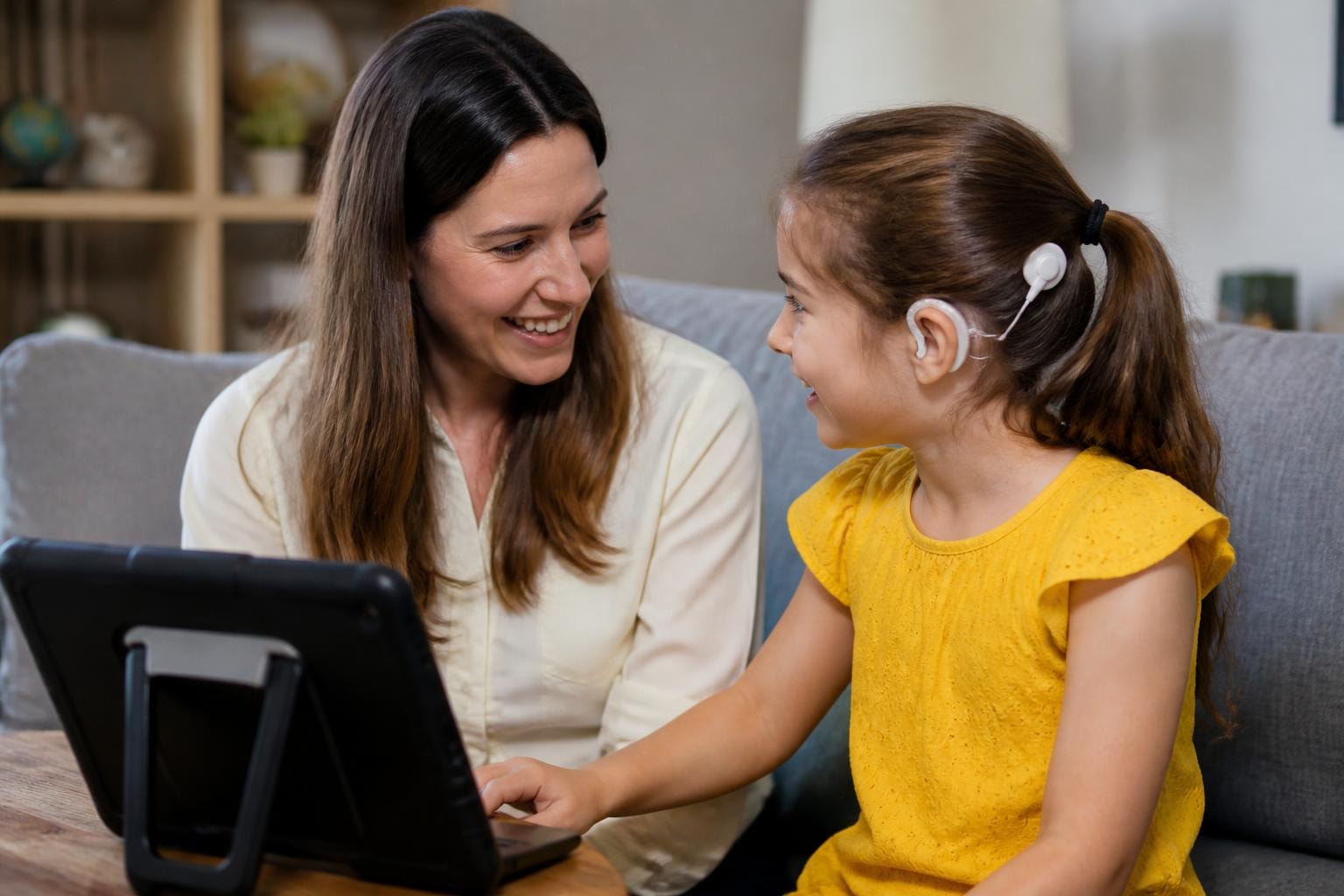
This May marks Better Speech and Hearing Month, a perfect time to explore how technology and therapeutic support are transforming lives for individuals with speech impairments. Whether you're a parent researching options for your child, a caregiver supporting a loved one, or a professional seeking resources, understanding the landscape of communication devices for speech impaired individuals can open doors to meaningful connection and independence. The right tools combined with expert guidance can make all the difference in someone's ability to express themselves and engage with the world around them.
Understanding Augmentative and Alternative Communication
Communication devices for speech impaired individuals fall under a broader category called Augmentative and Alternative Communication, or AAC. These tools don't replace natural speech but instead supplement it or provide alternative ways to communicate when verbal expression is challenging or impossible.
The American Speech-Language-Hearing Association (ASHA) provides comprehensive information on AAC, explaining how these systems work for people with severe speech or language difficulties. From simple picture boards to sophisticated speech-generating devices, AAC options vary widely in complexity and cost.
Who Benefits from These Devices?
You might wonder whether communication devices are right for someone you know. These tools serve individuals across a wide spectrum of conditions:
- Autism spectrum disorder with limited verbal abilities
- Cerebral palsy affecting speech production
- Stroke survivors experiencing aphasia
- Traumatic brain injuries impacting language centers
- Progressive neurological conditions like ALS
- Developmental disabilities affecting communication skills
At Hansel Union Consulting, PLLC, our speech therapy team evaluates each individual's unique needs to recommend the most appropriate communication approach, whether that involves traditional therapy, assistive devices, or a combination of both.
Categories of Communication Devices for Speech Impaired Users
Let's break down the main types of devices you'll encounter when exploring AAC options. Each category serves different needs and budgets.
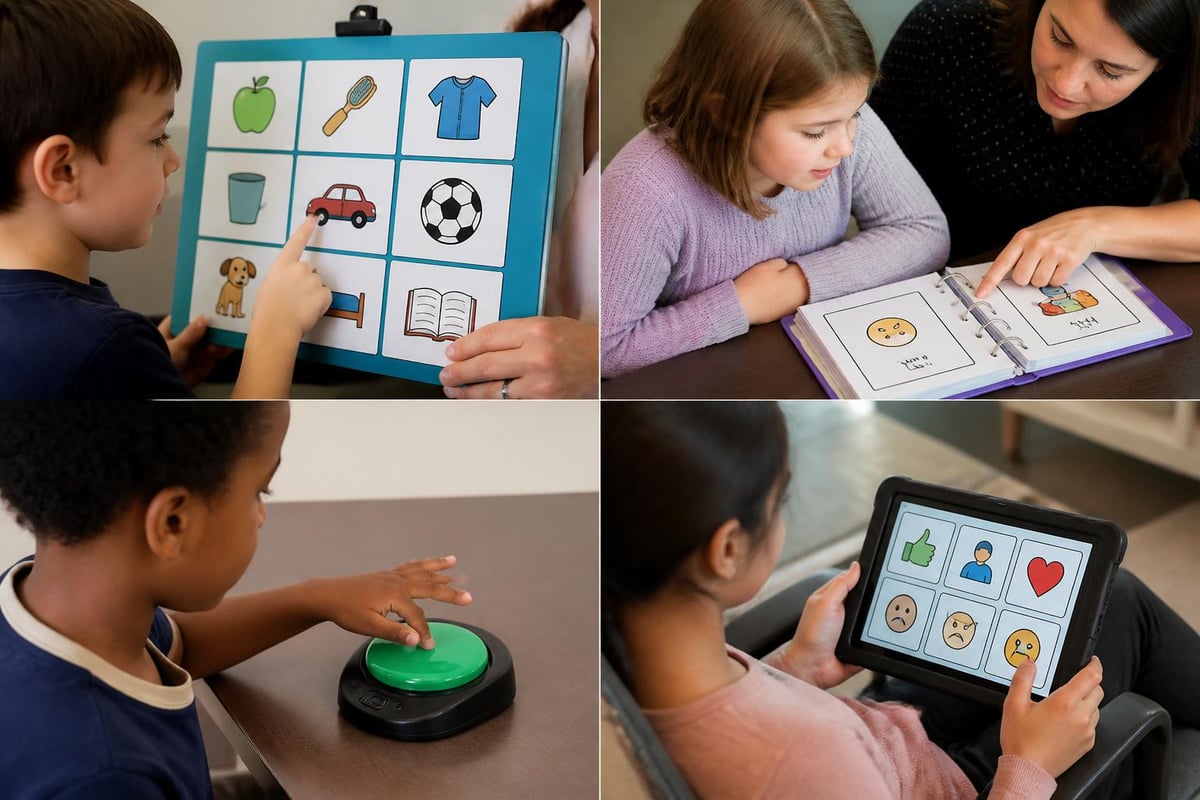
No-Tech and Low-Tech Solutions
Not every communication challenge requires expensive technology. Sometimes the simplest solutions work best, especially when you're just starting out or need backup options.
No-tech options include:
- Picture communication boards
- Communication books with symbols
- Alphabet charts for spelling
- Gesture-based systems
Low-tech devices might feature:
- Simple voice output with recorded messages
- Single or sequential message buttons
- Portable communication wallets
- Static display boards with basic voice output
These options provide reliability without batteries or charging concerns. They're also excellent backups when high-tech devices need repairs or updates.
High-Tech Speech Generating Devices
Modern technology has revolutionized communication possibilities. High-tech devices offer dynamic displays, vocabulary expansion, and natural-sounding voices that grow with the user's needs.
| Device Type | Best For | Key Features | Considerations |
|---|---|---|---|
| Dedicated SGDs | Full-time AAC users | Robust, medical-grade, insurance eligible | Higher cost, less flexibility |
| Tablet-based apps | Tech-savvy users, backup systems | Affordable, customizable, portable | Not as durable, potential distractions |
| Eye-gaze systems | Limited mobility | Hands-free operation, precise control | Requires positioning, calibration |
| Switch-activated | Motor limitations | Accessible for various abilities | May require training, slower |
The National Institute on Deafness and Other Communication Disorders outlines various assistive devices that serve different communication challenges, helping families understand the full range of possibilities.
Choosing the Right Communication Device
Selecting communication devices for speech impaired family members or clients isn't something you should rush. The process involves careful assessment, trial periods, and ongoing adjustments as needs evolve.
The Assessment Process
- Comprehensive evaluation by a speech-language pathologist
- Trial period with multiple device options
- Training sessions for user and communication partners
- Follow-up adjustments based on real-world use
- Regular reassessment as skills and needs change
This Better Speech and Hearing Month, consider scheduling a consultation to discuss your specific situation. Our cash pay speech program offers flexible options for families seeking personalized support without insurance limitations. Contact us for more information about how we can help you explore the right communication solutions.
Emerging Technology and Innovation
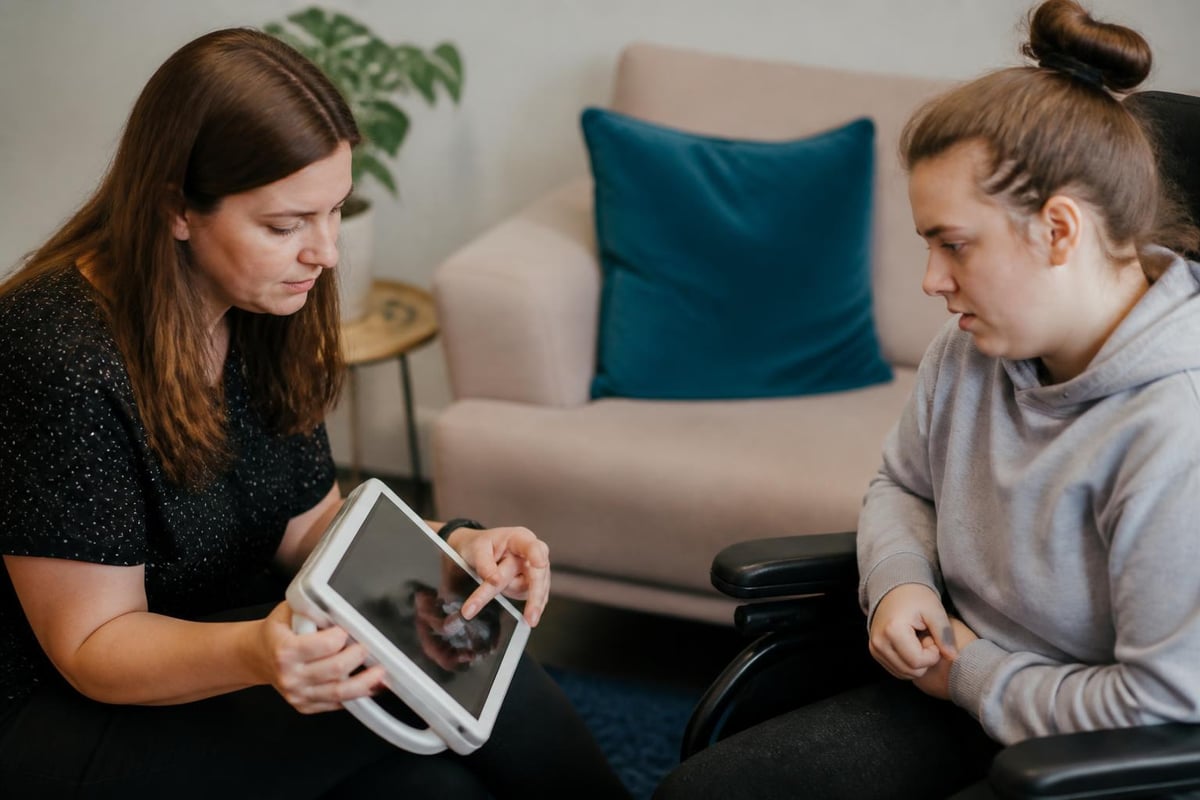
The field of assistive communication technology moves quickly. Recent developments are making devices more accessible, affordable, and effective than ever before.
Research into silent speech interfaces continues to advance, exploring non-acoustic biosignals that could enable communication for individuals with severe speech disorders. Meanwhile, mobile infrastructure like SpeechAgent integrates artificial intelligence to provide personalized communication support in daily situations.
What's New in 2026?
- AI-powered prediction that learns your communication patterns
- Cloud-based vocabulary accessible across multiple devices
- Improved eye-tracking accuracy and speed
- Lighter, more durable hardware designs
- Better insurance coverage options
The landscape continues evolving, which is why working with experienced therapeutic professionals matters. They stay current on what's available and what works best for different situations.
Supporting Communication Beyond Devices
Here's something important to remember: communication devices for speech impaired individuals work best as part of a comprehensive support system. The technology itself is just one piece of the puzzle.
Creating a Communication-Friendly Environment
Your family, school, or care setting can make or break success with AAC devices. Consider these strategies:
At home:
- Model device use even when speaking
- Allow extra time for responses
- Celebrate all communication attempts
- Keep devices charged and accessible
In educational settings:
- Train all staff on device operation
- Integrate AAC into classroom activities
- Encourage peer interaction and support
- Provide backup communication methods
In community environments:
- Educate frequent communication partners
- Practice in real-world situations
- Build confidence through repeated success
- Adjust vocabulary for different contexts
Much like how DoReset helps individuals rebuild habits and patterns through personalized guidance, successful AAC implementation requires building new communication habits day by day.
Funding and Access Considerations
Let's talk about the elephant in the room: cost. Communication devices for speech impaired users range from free printable resources to devices costing thousands of dollars.
Funding Options to Explore
| Source | Coverage | Process | Timeline |
|---|---|---|---|
| Private Insurance | Often covers dedicated SGDs | Prior authorization required | 2-4 months |
| Medicaid | State-dependent coverage | Medical necessity documentation | 3-6 months |
| Schools (IDEA) | Educational necessity only | IEP inclusion | Varies widely |
| Veterans Benefits | Service-connected disabilities | VA assessment | 1-3 months |
| Private Pay/Grants | Full flexibility | Application processes vary | Immediate to 6 months |
State programs like those in North Carolina offer additional resources for qualifying individuals. Research what's available in your state.
Our cash pay speech program provides an alternative pathway for families who prefer not to navigate insurance requirements or who need services that insurance doesn't cover. Reach out to discuss options that fit your timeline and budget.
Training Makes the Difference
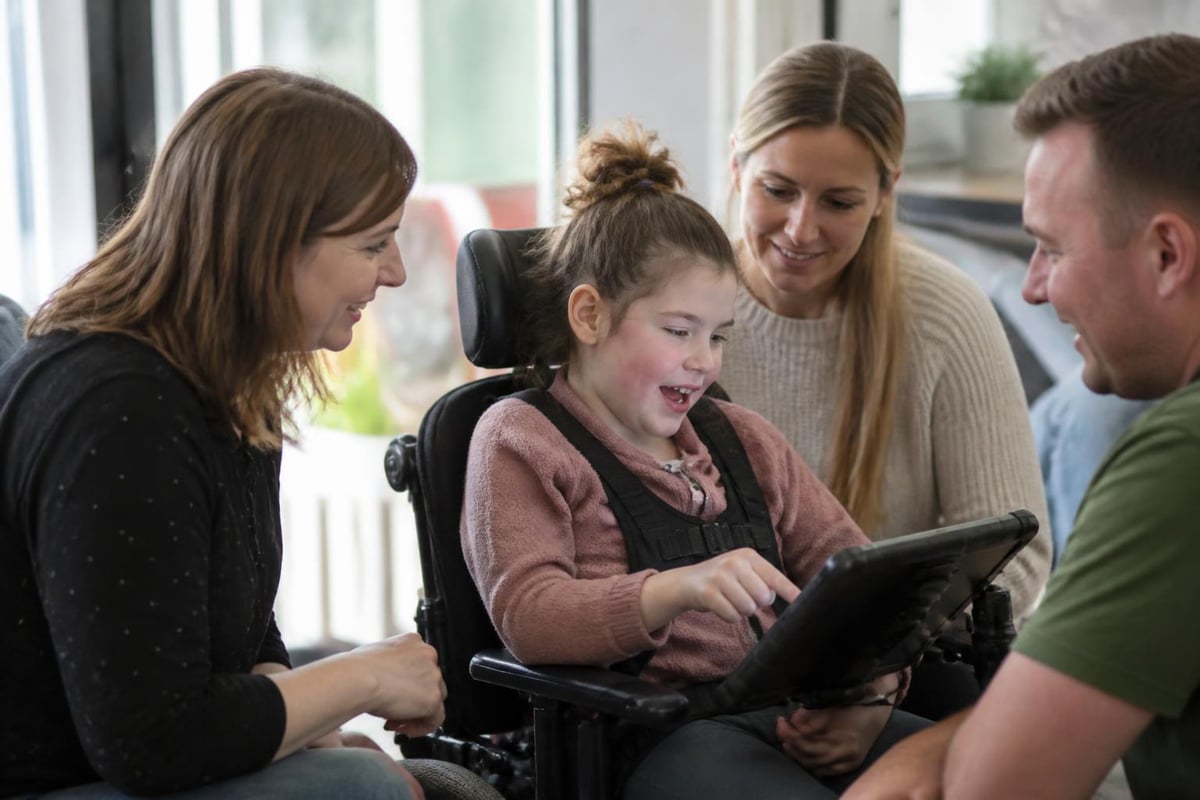
You can have the most advanced device available, but without proper training, it becomes an expensive paperweight. Success requires commitment from everyone involved.
Initial training should cover:
- Basic device operation and troubleshooting
- Vocabulary organization and customization
- Communication partner strategies
- Maintenance and care procedures
- Emergency backup plans
Ongoing support includes:
- Regular vocabulary updates
- Skill progression monitoring
- New feature integration
- Problem-solving sessions
- Communication partner coaching
This is where therapeutic expertise really shines. Speech-language pathologists don't just recommend devices-they guide the entire implementation journey, adjusting strategies as communication skills develop.
Integration with Other Therapies
Communication doesn't happen in isolation. For individuals receiving comprehensive therapeutic services, coordination between different therapy types amplifies results.
Occupational therapy might address the motor skills needed to access a device. Physical therapy could improve positioning for better device use. Behavioral therapy might develop the social communication skills that make device use meaningful. When these services work together, you see faster progress and better outcomes.
This integrated approach aligns with how quality therapeutic organizations operate, ensuring all aspects of development receive attention and support.
Communication devices for speech impaired individuals represent more than just technology-they're bridges to connection, independence, and self-expression. This Better Speech and Hearing Month, take time to explore how the right combination of devices, therapy, and support can transform communication possibilities. At Hansel Union Consulting, PLLC, our experienced speech therapy team provides comprehensive evaluations and personalized treatment plans, including our flexible cash pay program for families seeking specialized support. Whether you're just beginning to explore AAC options or need advanced implementation support, contact Hansel Union Consulting, PLLC to schedule a consultation and discover how we can help unlock communication potential.